Four Flights to Love
1939
No user ratings available yet
Diversity score: 2.4 out of 10
1927
Director
Alfred Santell
Runtime
150 minutes
Average Rating
No ratings yetSynopsis
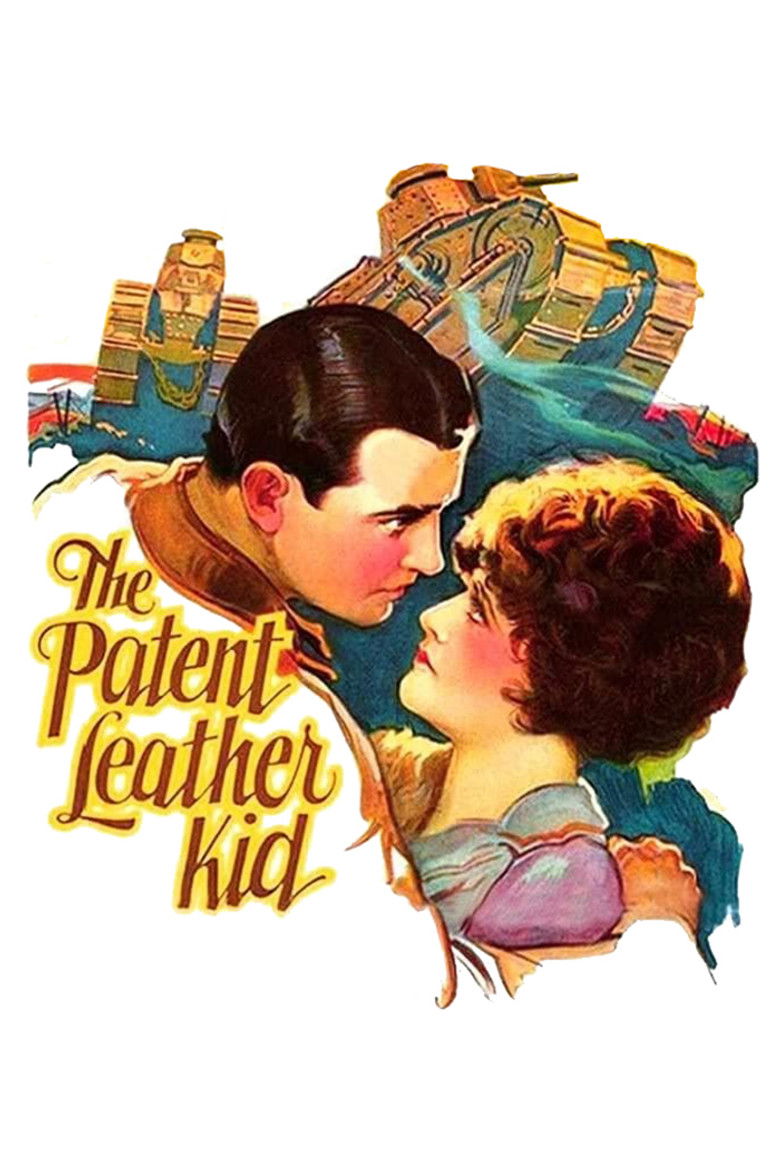
The Patent Leather Kid is a 1927 silent film which tells the story of a boxer who scoffs at fighting outside the ring... particularly for the United States once it enters World War I. Eventually, he is drafted, is shipped overseas, and performs a heroic act, which results in his being severely wounded.
Overall Score
Limited
Category Breakdown
LGBTQ+ Representation
The film lacks any evidence of queer narratives or non-cisnormative identities. It adheres to the heteronormative romantic structures common in 1927 silent melodramas.
Gender Representation
The story centers on a male protagonist's physical prowess and his transition into a traditional war hero. While romance is a genre element, agency remains concentrated in masculine strength.
Racial & Ethnic Diversity
The narrative reflects the era's tendency toward Anglo-centric storytelling. It lacks specific evidence of a diverse cast, focusing instead on a standard US soldier's experience.
Religious & Cultural Diversity
The film promotes traditional Western values of patriotism and duty. The protagonist's arc validates national institutions through his transition from an individualist to a sacrificial hero.
Disability Representation
The protagonist's severe wounds serve as a narrative device for emotional catharsis. The film uses injury to signify the cost of heroism rather than exploring lived disability experiences.
Strengths
Areas for Improvement
AI Analysis
The Patent Leather Kid is a quintessential product of its era, prioritizing traditional heroic archetypes and linear moral structures. The narrative focuses heavily on masculine ideals, tracing a boxer's journey from individualistic athlete to a sacrificial soldier in World War I. While the film offers a clear arc of patriotism and valor, it reinforces the social hierarchies of the 1920s. It lacks meaningful representation of diverse identities, instead centering on a singular, Anglo-centric view of duty and national service. Ultimately, the film functions as a period piece that validates military institutions and conventional gender roles through the lens of a wounded hero.
1939
1928
1934

1933

1931

1915
1934
No reviews yet. Be the first to share your thoughts on this movie!
Use the rating form above to leave a star rating and optional review.