Spring Silkworms
1933
No user ratings available yet
Representation score: 3.2 out of 10
Representation Score
Fair
1948
Director
Shen Fu
Runtime
114 minutes
Average Rating
No ratings yetNew Showbiz Analysis
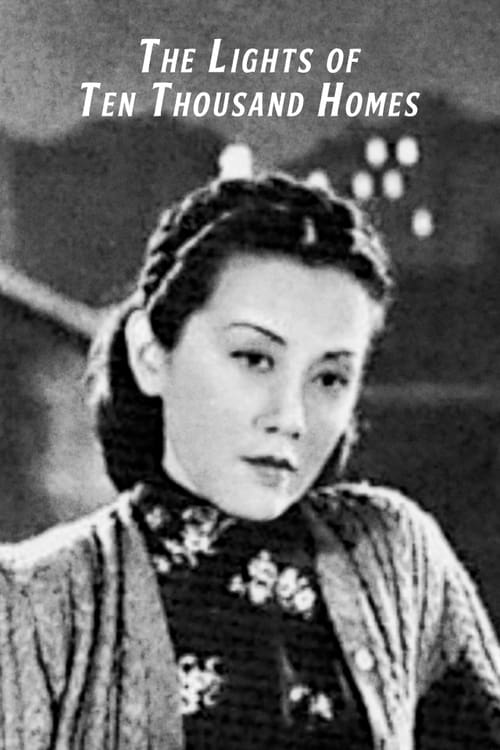
The Lights of Ten Thousand Homes offers a gritty, period-specific look at social struggle in post-war Shanghai. It succeeds in providing a non-Western perspective on class warfare and the systemic oppression of the working class. The film deconstructs the myth of domestic harmony, instead presenting the family as a site of economic and emotional conflict. However, the film's scope is limited by its traditional focus. It lacks representation for LGBTQ+ identities and does not feature characters with disabilities. The narrative remains firmly rooted in the straight-centered and able-bodied structures of the late 1940s. Ultimately, the film is a meaningful exploration of socio-economic volatility. It trades idealized domesticity for a realistic depiction of how economic instability fractures the family unit.
Category Breakdown
The film focuses on a traditional nuclear and extended family structure. There are no explicit LGBTQ+ characters or identities that challenge the assumption that everyone is straight or cisgender within the narrative.
Women are shown navigating the survival of a multi-generational household. While the male protagonist drives the economic plot, women play a significant role in managing the domestic sphere.
Set in 1948 Shanghai, the film offers a non-Western perspective on systemic struggle. It centers on the lived experiences of a Chinese cast and setting.
The story critiques exploitative capitalist structures through the protagonist's struggle with an unscrupulous boss. It prioritizes collective family survival over individualistic meritocracy.
The narrative provides no evidence regarding the inclusion of characters with physical or neurodivergent disabilities.
Present on Screen
Limited or Absent
Official Synopsis
This tale of familial warfare and sacrifice takes place in hard-pressed Shanghai at the end of the 1940s. Hu Zhiqing can barely support his wife and children, and his situation is worsened by the unexpected arrival of his mother, brother and sister-in-law. When he is fired by his unscrupulous boss, the whole family becomes embroiled in one emotional/economic struggle after another.
1933
1936
1946
1948
1959
1945
1953
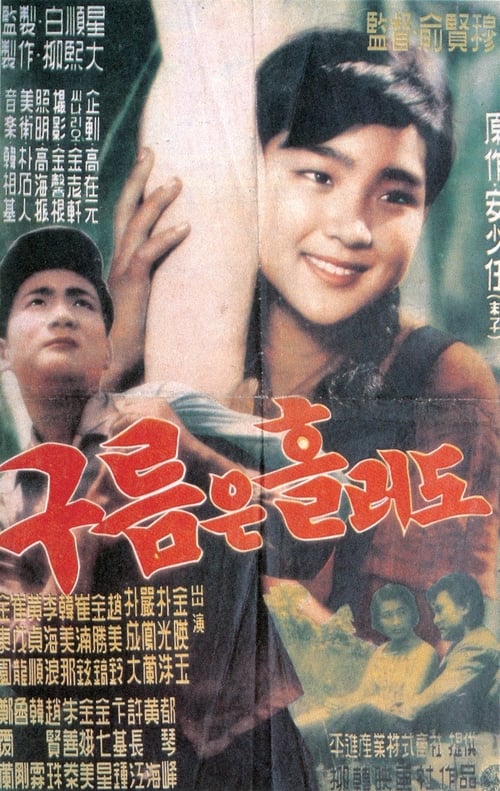
1959
No reviews yet. Be the first to share your thoughts on this movie!
Use the rating form above to leave a star rating and optional review.