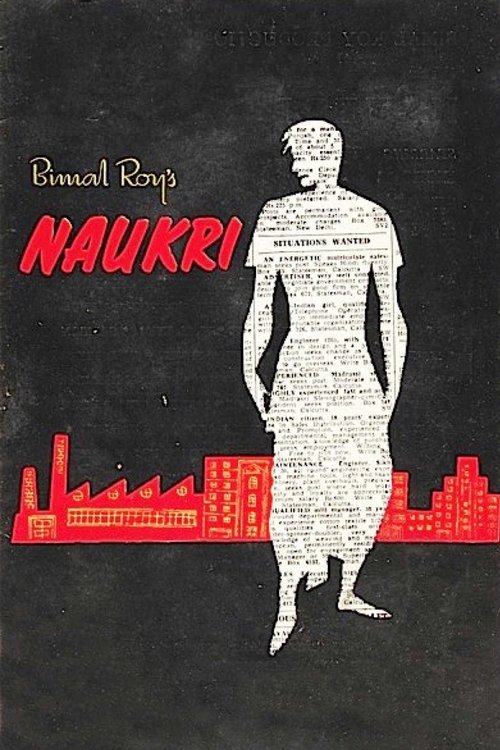
Naukari
1954
No user ratings available yet
Representation score: 4.6 out of 10
Representation Score
Fair
1953
Director
Bimal Roy
Runtime
125 minutes
Average Rating
No ratings yetNew Showbiz Analysis
Bimal Roy’s work stands as a strong example of Indian social realism. The film centers the struggles of the underrepresented against systemic corporate oppression. While limited by the patriarchal and straight-centered standards of 1953, it effectively critiques power dynamics by showing industrial progress as a disruptive force against indigenous heritage and family stability. Ultimately, the film's strength lies in its critique of systemic issues, even while working within the era's narrow identity frameworks.
Category Breakdown
The film doesn't include any explicitly LGBTQ characters or non-traditional gender roles. It focuses on a traditional father-son relationship dealing with economic hardships.
The story centers around a male protagonist fighting for his role in the story. Female characters seem to play traditional roles within the era's social norms.
The film provides a nuanced look at post-colonial identity. It highlights the experiences of impoverished rural communities facing urban corporate expansion.
The film offers a sophisticated critique of capitalist structures. It emphasizes the dignity of workers over corporate land seizures.
There is no discernible evidence regarding the portrayal of physical or neurodivergent disabilities in this work.
Present on Screen
Limited or Absent
Official Synopsis
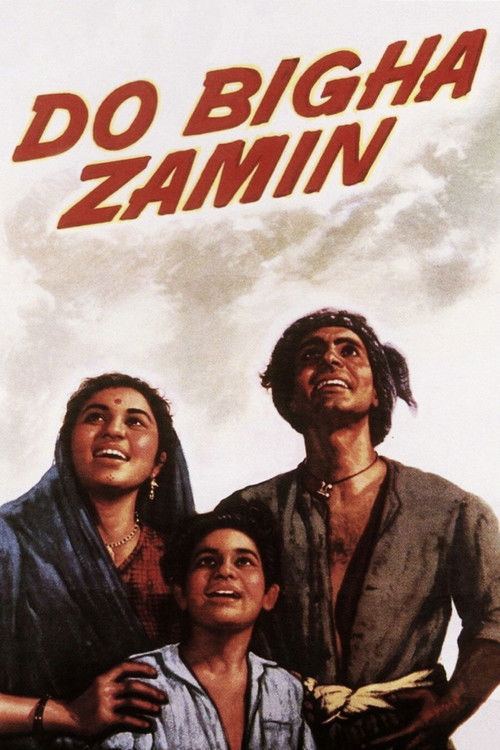
An impoverished man and his young son travel to Calcutta and look for work, in order to make money that'll save their ancestral land from being seized by a corporation.
1954

1949
1974
1955
1954
1990

1965

1960
No reviews yet. Be the first to share your thoughts on this movie!
Use the rating form above to leave a star rating and optional review.