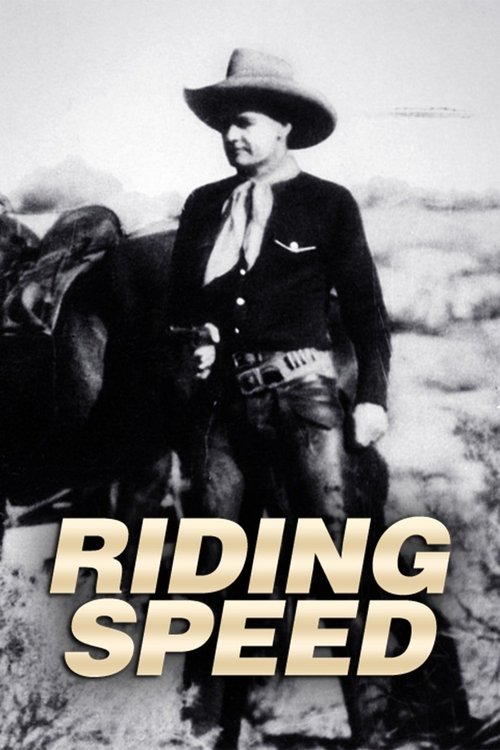
Riding Speed
1934
No user ratings available yet
Representation score: 1.6 out of 10
Representation Score
Minimal
1940
ApprovedDirector
Raymond K. Johnson
Runtime
57 minutes
Average Rating
No ratings yetNew Showbiz Analysis
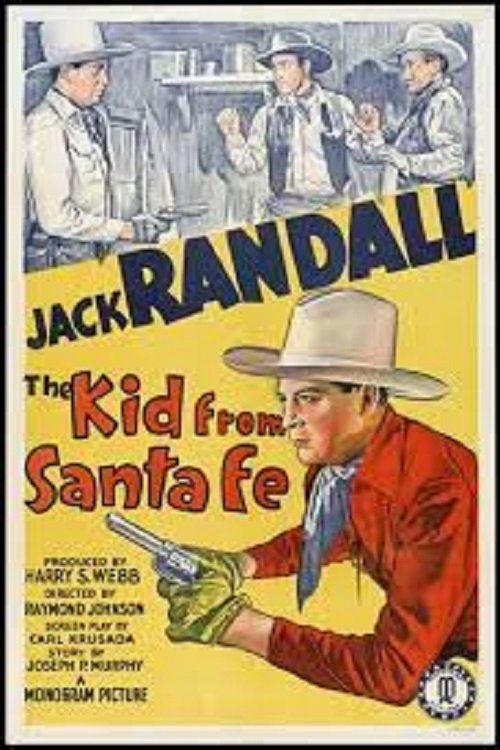
The Kid from Santa Fe is a classic Western film that upholds the social and gender hierarchies of its time. The narrative structure focuses on conventional themes of law, order, and frontier masculinity, without incorporating multi-layered complexities. By centering Anglo-Saxon protagonists and traditional genre archetypes, the film avoids challenging the systemic norms of the 1940s. The narrative remains focused on the main character and the enforcement of law against criminal elements.
Category Breakdown
The film does not include any LGBTQ+ characters or identities that go beyond the assumption that everyone is straight or cisgender.
The story focuses on a young boy and male authority figures, reinforcing traditional gender roles and masculine ideals of law enforcement and survival in the frontier.
The film follows the typical casting practices of 1940s Hollywood, which are homogeneous. There is no evidence of characters of color who play significant roles in the story.
The plot emphasizes the importance of law and order and the stability of institutions, aligning with the era's emphasis on social boundaries rather than presenting narratives that challenge Western norms.
The film does not feature any characters with visible or invisible disabilities, nor does it address how neurodivergence or physical impairments might be handled.
Present on Screen
Limited or Absent
Official Synopsis
After the Santa Fe Kid is appointed by Sheriff Holt to be one of his deputies, he goes after a smuggling ring operating near the Mexican border.
1934
1939

1951
1940
1946

1949
1938
1930
No reviews yet. Be the first to share your thoughts on this movie!
Use the rating form above to leave a star rating and optional review.