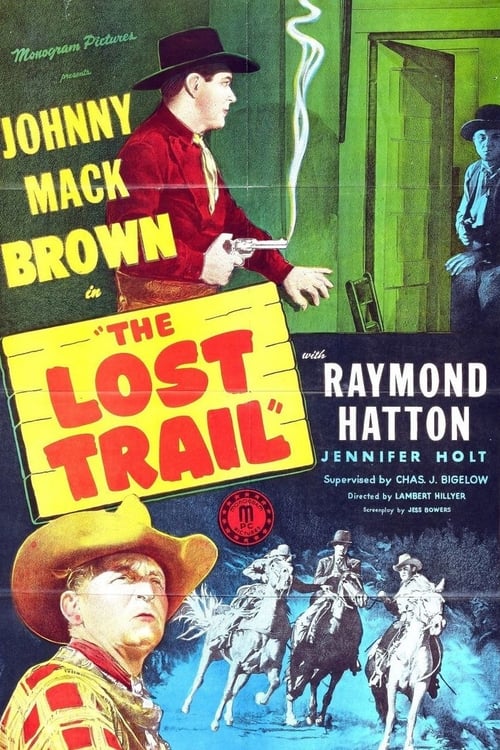
The Lost Trail
1945
No user ratings available yet
Representation score: 0.4 out of 10
Representation Score
Minimal
1945
ApprovedDirector
Lambert Hillyer
Runtime
57 minutes
Average Rating
No ratings yetNew Showbiz Analysis
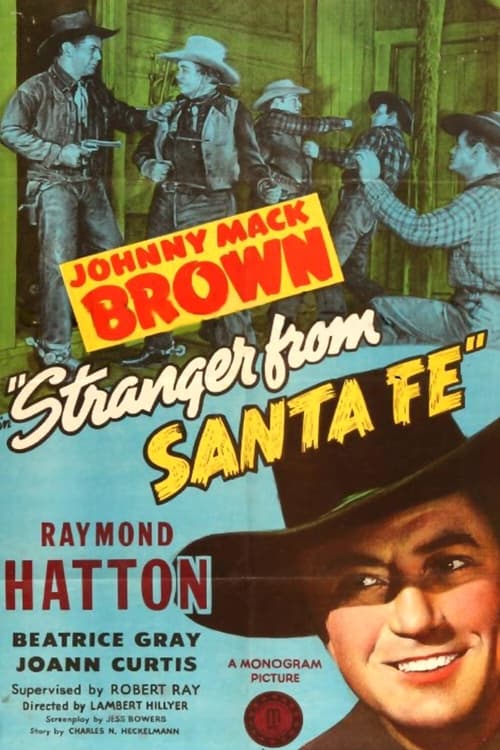
Stranger from Santa Fe is a typical Western film that prioritizes genre clichés over social complexity. The story revolves around restoring law and order through a U.S. Marshal's undercover work. Representation is limited and follows the conventions of mid-1940s Westerns, emphasizing masculine conflicts and traditional social structures. The film serves as a conventional genre piece, lacking multi-layered depth and focusing on a homogeneous view of the frontier.
Category Breakdown
The film does not include any characters with non-traditional gender identities or same-sex relationships. The story focuses on masculine conflicts.
The narrative is driven by male characters, particularly the protagonist and antagonist. Female characters are less prominent and likely play supporting roles.
The film likely follows typical 1940s casting practices. There is no indication of diverse casting or multi-layered depth in the storyline.
The film upholds traditional Western values and supports mid-century views on patriotism and clear moral distinctions. Law enforcement and federal institutions are portrayed positively.
There is no evidence of characters with physical or neurodivergent disabilities in the film. Such characters do not appear as part of the narrative.
Present on Screen
Limited or Absent
Official Synopsis
Burly Johnny Mack Brown once again plays undercover U.S. Marshal Nevada McKenzie in this overly complicated series oater from low-budget Monogram. This time, McKenzie, who goes under the alias of Roy Ferris, is waylaid by would-be stage robber Cy Manning (John Merton) en route to the Bar X Ranch.
1945
1944
1945
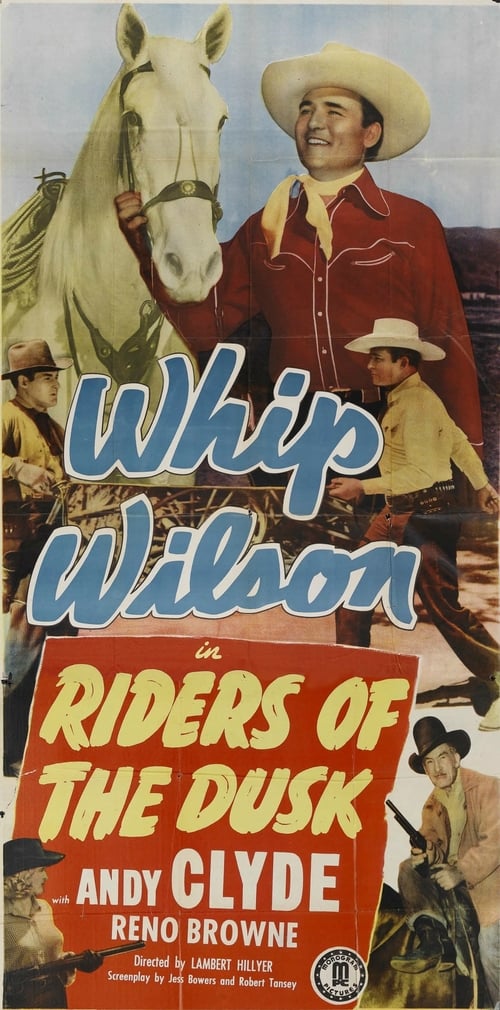
1949
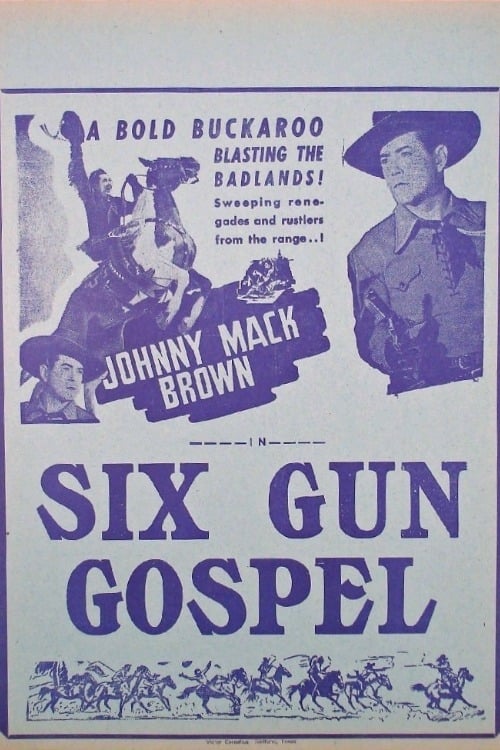
1943
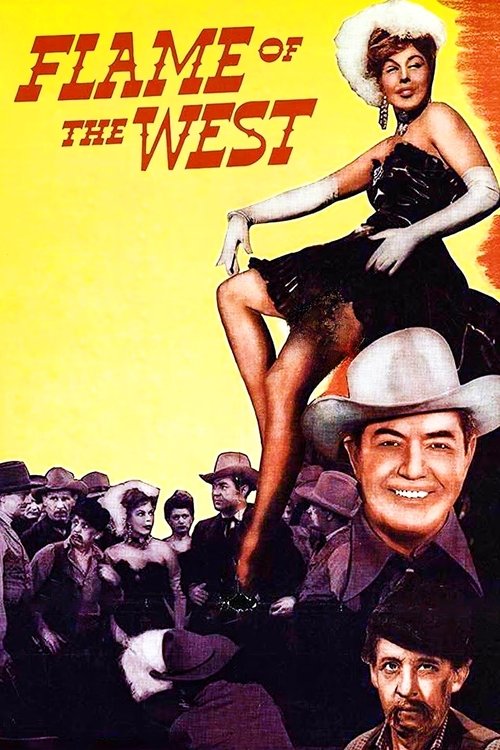
1945
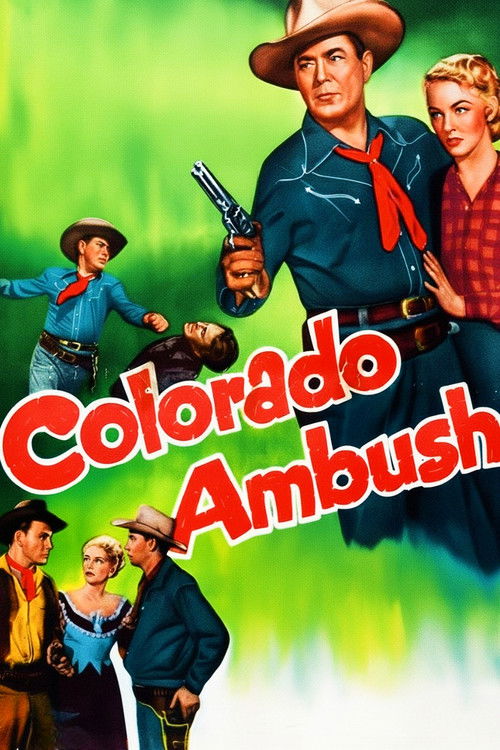
1951
1946
No reviews yet. Be the first to share your thoughts on this movie!
Use the rating form above to leave a star rating and optional review.