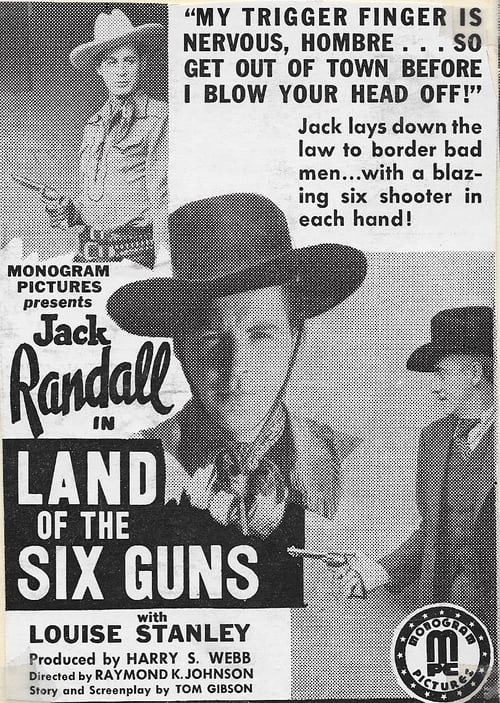
Land of the Six Guns
1940
No user ratings available yet
Diversity score: 2.2 out of 10
1940
PassedDirector
Raymond K. Johnson
Runtime
55 minutes
Average Rating
No ratings yetSynopsis
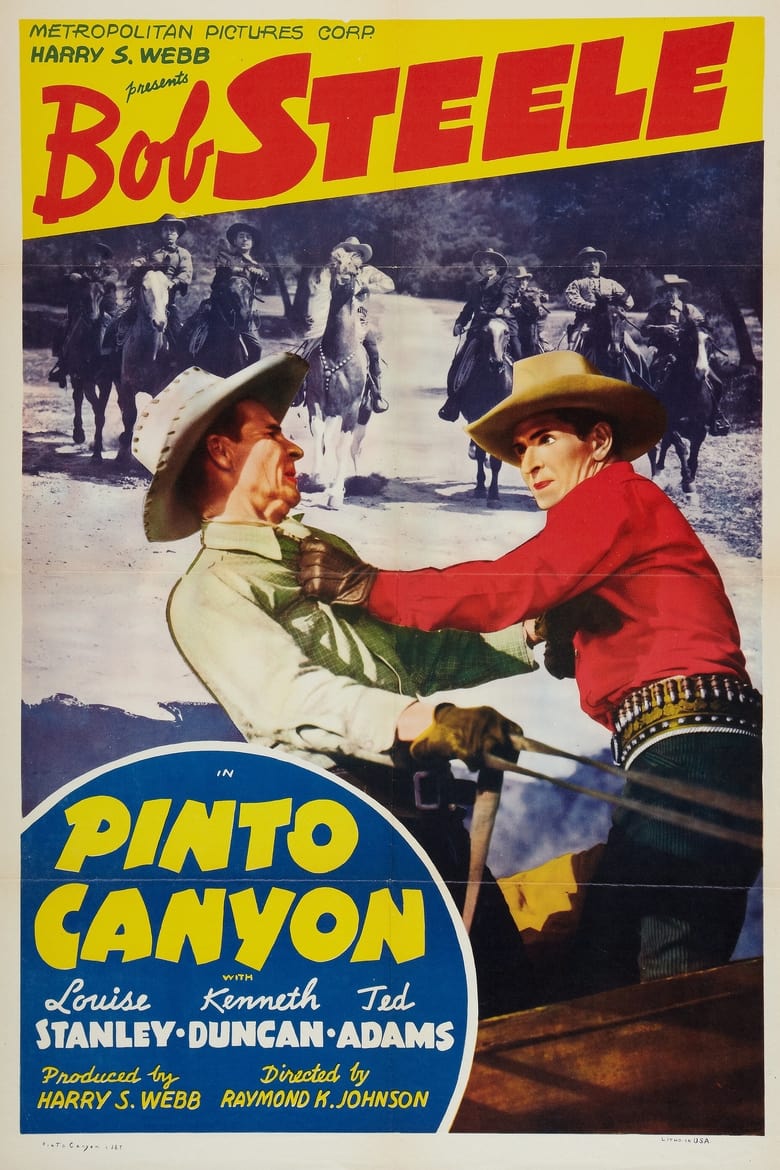
In his final Western for Poverty Row's Metropolitan Pictures, Bob Steele played Bob Hall, a lawman looking into a series of cattle rustlings. The leader of the rustlers, rancher Farley (Ted Adams), hires killer Pete Childers (George Cheseboro) to impersonate a deputy sheriff and gain Sheriff Hall's confidence.
Overall Score
Limited
Category Breakdown
LGBTQ+ Representation
The film follows a traditional Western structure focused on law enforcement and ranching. It lacks any evidence of non-cisnormative identities or narratives that challenge heteronormativity.
Gender Representation
The story centers on male-dominated spheres like ranching and law enforcement. The protagonist embodies a traditional masculine authority figure, while female roles appear relegated to secondary or domestic positions.
Racial & Ethnic Diversity
Set during the era of cattle rustling, the film aligns with the homogeneous casting norms of the 1940s. It likely centers on an Anglo-centric worldview without diverse protagonists.
Religious & Cultural Diversity
The narrative reinforces established social orders through the lens of Western morality and property protection. It focuses on legal institutions rather than critiquing systemic power dynamics.
Disability Representation
The film provides no information regarding the inclusion or portrayal of characters with physical or neurodivergent disabilities.
Strengths
Areas for Improvement
AI Analysis
Pinto Canyon is a conventional Poverty Row Western that prioritizes formulaic genre tropes over narrative complexity. The film relies on established archetypes of heroism and institutional authority, reflecting the standard social constraints of 1940s cinema. The production lacks intersectional depth, focusing almost exclusively on male-dominated spheres of law and ranching. This creates a narrow worldview that reinforces traditional hierarchies rather than disrupting them. Ultimately, the film serves as a product of its era, adhering to the homogeneous casting and social norms typical of low-budget Westerns from the early 1940s.
1940
1940
1940
1952
1942
1947
1940
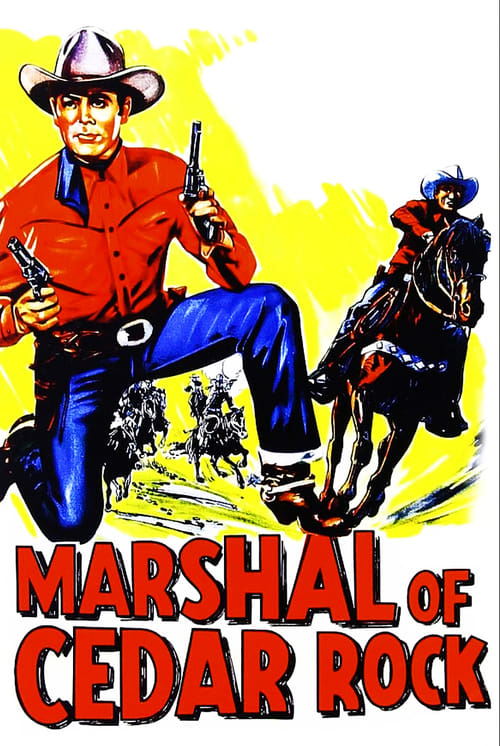
1953
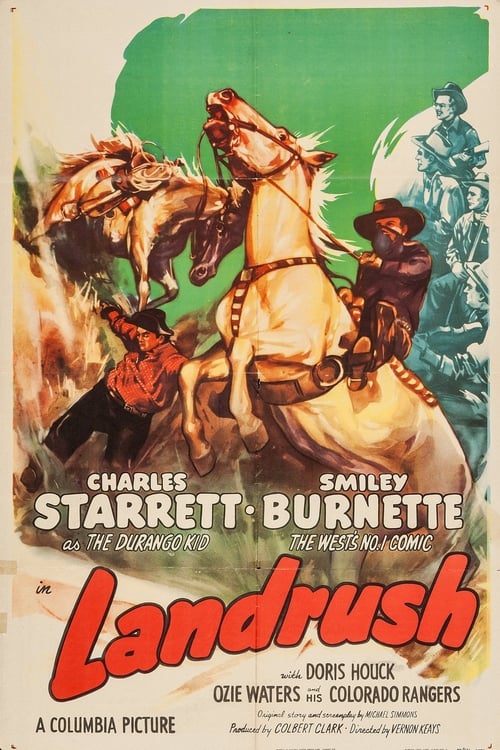
1946

1940
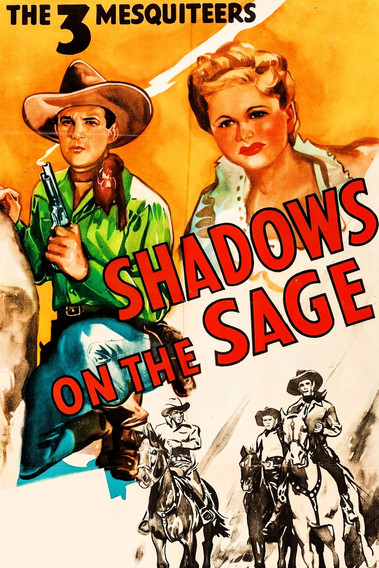
1942
1934
No reviews yet. Be the first to share your thoughts on this movie!
Use the rating form above to leave a star rating and optional review.