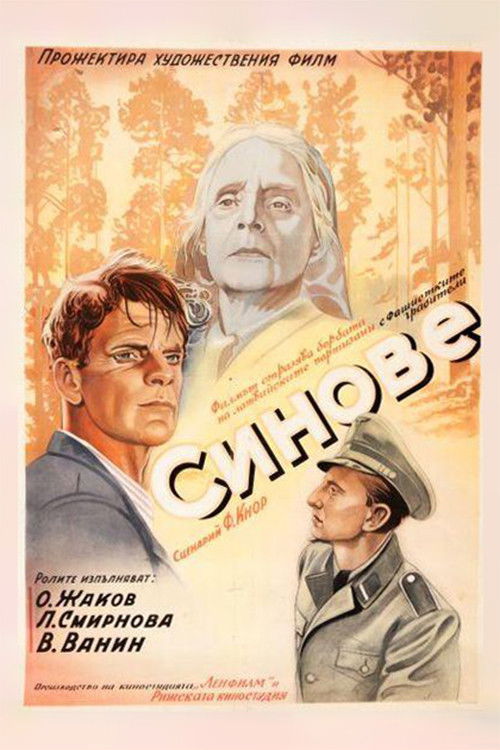
The Road Home
1946
No user ratings available yet
Representation score: 3.0 out of 10
Representation Score
Limited
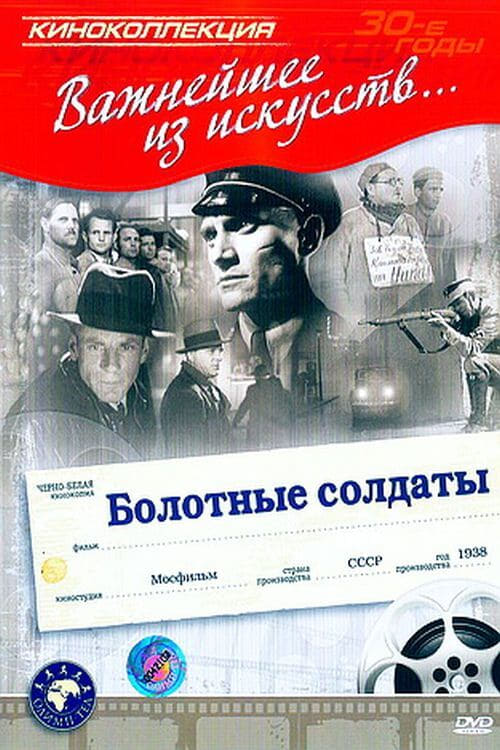
1938
ApprovedDirector
Aleksandr Macheret
Runtime
69 minutes
Average Rating
No ratings yetNew Showbiz Analysis
Peat-Bog Soldiers functions as a piece of Soviet Socialist Realism, prioritizing ideological messaging over diverse character development. While the film provides a strong critique of Nazi oppression and fascist structures, its social landscape is remarkably narrow. The production adheres to the rigid social hierarchies of the late 1930s. It emphasizes collective struggle and anti-fascist sentiment but fails to offer meaningful representation for women, LGBTQ+ individuals, or diverse racial identities. Ultimately, the film's diversity is defined by its political stance rather than its character composition. It succeeds as a tool for morale and systemic critique but remains limited by the traditionalist frameworks of its era.
Category Breakdown
The film does not include any queer narratives or non-binary gender identities. It focuses on a male-dominated military setting centered around traditional camaraderie.
The story centers on male soldiers within a conventional military framework. There is no evidence of women in leadership roles or the subversion of traditional masculine authority.
Casting likely reflects the demographic priorities of the 1930s Soviet state. There is no evidence of characters of color taking prominent roles or disrupting the homogeneous casting norms.
The narrative critiques fascist institutions through an anti-capitalist lens. It prioritizes collective identity and state-oriented values over individualist or religious morality.
There is no verifiable evidence regarding the depiction of physical or neurodivergent characters in the film's plot.
Present on Screen
Limited or Absent
Official Synopsis
This story of the Nazi prison camps in the 1930s deals with the attempts of the Nazi guards to break the spirit of the Communists in concentration camps.
1946
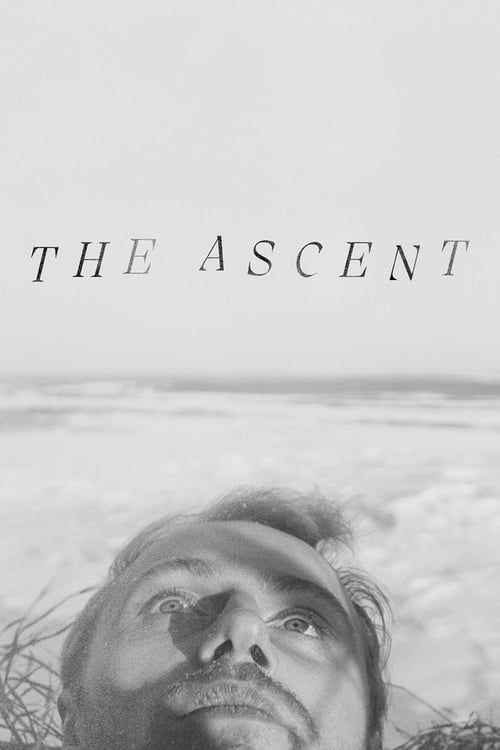
1977

1987
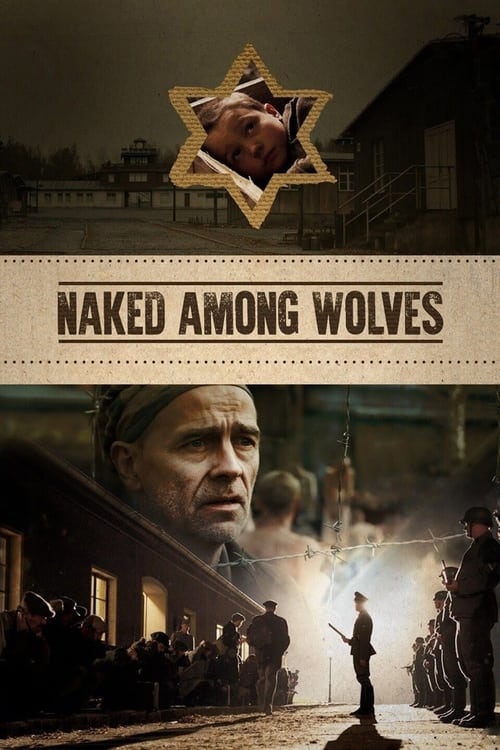
2015

1956
1987
1954
1965
No reviews yet. Be the first to share your thoughts on this movie!
Use the rating form above to leave a star rating and optional review.