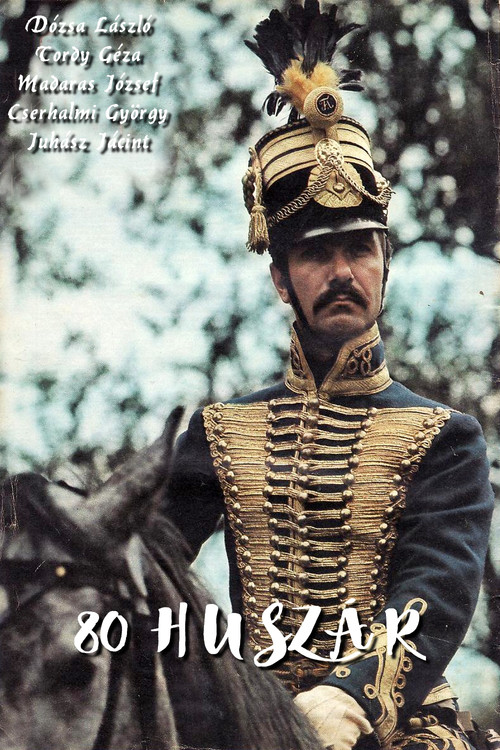
80 Hussars
1978
No user ratings available yet
Diversity score: 4.8 out of 10
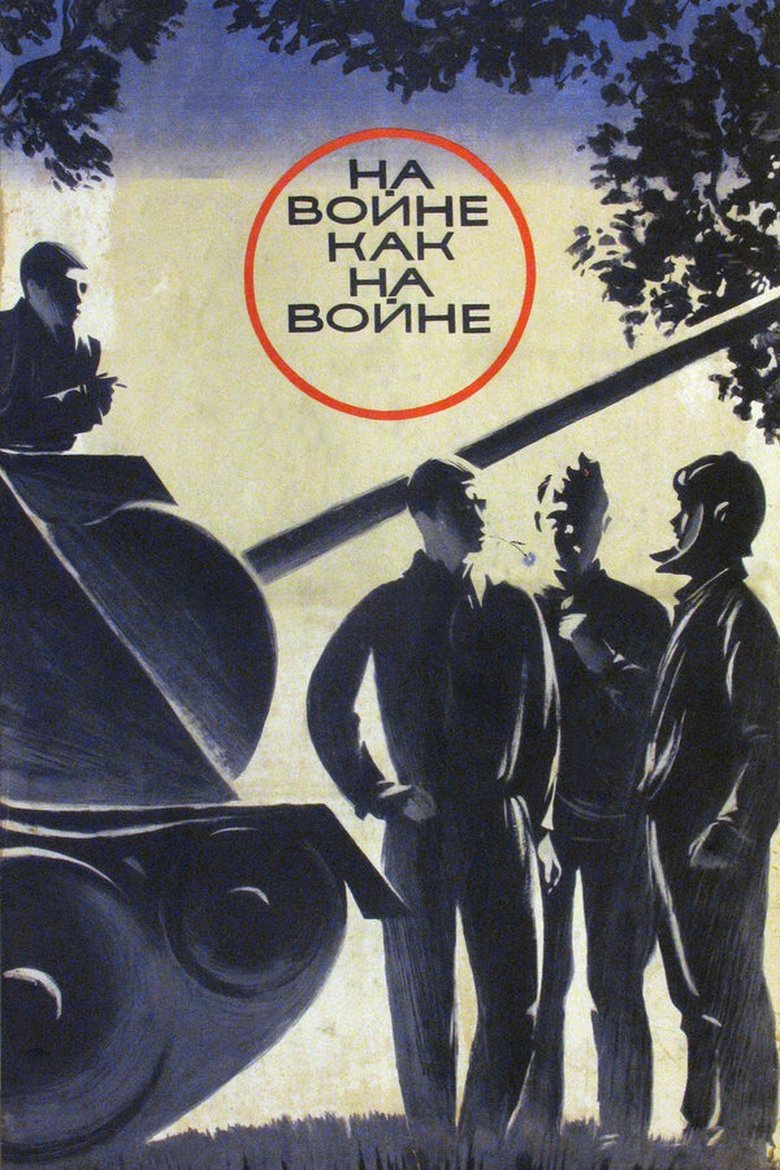
1969
Director
Viktor Tregubovich
Runtime
85 minutes
Average Rating
No ratings yetSynopsis
Junior Lieutenant Maleshkin, an unshooted graduate of the school, commands the crew of the self-propelled gun SU-100. All the subordinates of Maleshkin are older than him and much more experienced. The authority of the young commander is tested at every step, he quarrels, then reconciles with his crew.
Overall Score
Limited
Category Breakdown
LGBTQ+ Representation
The film focuses entirely on a male military unit during active combat. There are no depictions of non-cisnormative identities or same-sex intimacy within this setting.
Gender Representation
The narrative is built around a male-dominated hierarchy and masculine conflict. While the protagonist is a flawed male leader, there is no significant presence of female characters.
Racial & Ethnic Diversity
The setting in Right-Bank Ukraine implies a multi-ethnic Soviet landscape. However, the film reflects the historical demographics of the Eastern Front rather than intentional racial blending.
Religious & Cultural Diversity
The film prioritizes collective struggle and situational realism over idealized heroism. It deconstructs the myth of the infallible commander by highlighting the gritty, dysfunctional reality of military life.
Disability Representation
There is no evidence of characters with visible or invisible disabilities. The story centers on the physical rigors of combat and the technical demands of operating heavy machinery.
Strengths
Areas for Improvement
AI Analysis
At War as at War is a character-driven drama that finds its strength in human fallibility rather than demographic variety. By focusing on the friction between a young officer and his experienced crew, the film avoids the trope of the invincible hero. It offers a grounded look at the chaos of war through interpersonal dysfunction. However, the film lacks modern intersectional representation. The narrative is strictly confined to a masculine, heteronormative military environment, offering almost no visibility for women, LGBTQ+ individuals, or people with disabilities. Its diversity is limited to the historical ethnic realities of the Soviet era. Ultimately, the film's value lies in its humanistic deconstruction of authority. It trades ideological propaganda for a realistic portrayal of systemic and interpersonal struggle, even if it remains demographically narrow.
1978
1964
1980
1976
1967
1943
1974
1984

1971

1959

1970
1965
No reviews yet. Be the first to share your thoughts on this movie!
Use the rating form above to leave a star rating and optional review.