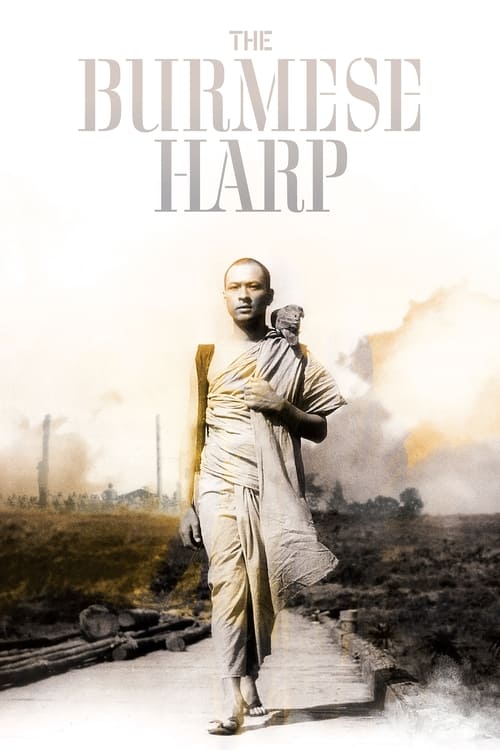
The Burmese Harp
1956
No user ratings available yet
Representation score: 2.8 out of 10

Representation Score
Limited
1985
Director
Kon Ichikawa
Runtime
133 minutes
Average Rating
No ratings yetNew Showbiz Analysis
The film functions as a contemplative meditation on individual conscience versus imperial duty. It moves away from traditional war epic clichés to focus on spiritual ability to act and the aftermath of conflict. While the narrative is intellectually deep, it is constrained by a narrow demographic focus. The setting and subject matter heavily favor a masculine, military-centric perspective that limits broader social representation. Its primary strength is the sophisticated deconstruction of institutional loyalty. By centering on a protagonist who chooses religious ritual over patriotic obligation, the film offers a nuanced critique of state authority.
Category Breakdown
The film focuses on the camaraderie and shared trauma of a male-dominated military environment. There are no LGBTQ+ characters or explorations of non-straight identities.
The narrative adheres to a traditional masculine framework centered on soldiers and monks. It lacks diverse gender perspectives or challenges to gender hierarchies.
The film depicts the Burmese landscape and its local inhabitants during the Japanese occupation. It explores complex cultural intersections between Japanese soldiers and the local population.
The story prioritizes spiritual morality over state-mandated nationalism. It critiques imperial structures by framing the protagonist's pursuit of Buddhist ritual as a path to redemption.
The film explores the psychological toll of warfare but does not explicitly center on specific physical or neurodivergent disabilities.
Present on Screen
Limited or Absent
Official Synopsis
In the War's closing days, when a conscience-driven Japanese soldier fails to get his countrymen to surrender to overwhelming force, he adopts the lifestyle of a Buddhist monk.
1956
1959

2008

1956

1953
1987
1972
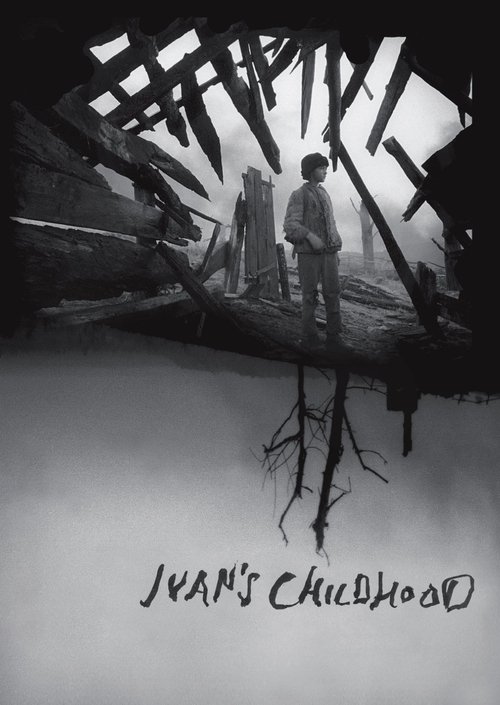
1962
No reviews yet. Be the first to share your thoughts on this movie!
Use the rating form above to leave a star rating and optional review.