Stars
1959
No user ratings available yet
Representation score: 6.1 out of 10
Representation Score
Fair
1965
Not RatedDirector
Ján Kadár, Elmar Klos
Runtime
128 minutes
Average Rating
No ratings yetNew Showbiz Analysis
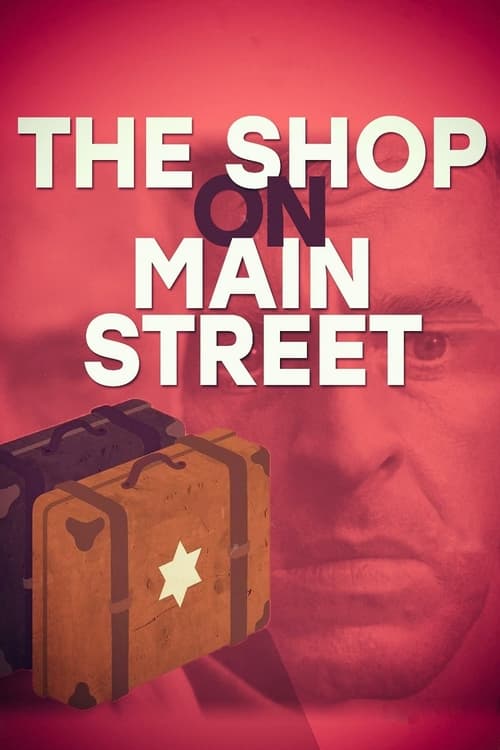
The film is a powerful examination of complicity and the banality of evil. It succeeds by focusing on the experiences of the persecuted and examining how systemic power erodes individual conscience. While the film lacks modern identity-based representation, such as LGBTQ+ or disability narratives, it excels in its exploration of ethnic and religious structures. It replaces wartime heroism with a complex look at moral failure. The strength of the work lies in its ability to use a specific historical context to critique universal themes of systemic oppression and the breakdown of community bonds.
Category Breakdown
The film focuses on the social realities of a small Slovakian town during the Holocaust. It contains no discernible LGBTQ+ characters or narratives.
The film challenges traditional gender roles by portraying the protagonist as passive and indecisive. His wife, Eva, plays a crucial role in driving the moral narrative rather than being a submissive partner.
The narrative centers on the Jewish experience under Nazi occupation. It explores ethnic persecution through the relationship between Tono and the Jewish widow, Rozalie.
The story critiques how religious beliefs and state bureaucracy intersect. It illustrates how personal spirituality can be used to justify complicity in genocide and systemic oppression.
No significant depictions of visible or invisible disabilities are present within the primary narrative arc.
Present on Screen
Limited or Absent
Official Synopsis
In a small town in Nazi-occupied Slovakia during World War II, decent but timid carpenter Tono is named "Aryan comptroller" of a button store owned by an old Jewish widow, Rozalie. Since the post comes with a salary and standing in the town's corrupt hierarchy, Tono wrestles with greed and guilt as he and Rozalie gradually befriend each other. When the authorities order all Jews in town to be rounded up, Tono faces a moral dilemma unlike any he's known before.
1959
1974
2007
1949
1943
2001
1987
1962
No reviews yet. Be the first to share your thoughts on this movie!
Use the rating form above to leave a star rating and optional review.