Cinderella
1979
No user ratings available yet
Representation score: 2.2 out of 10
Representation Score
Minimal
1934
PassedDirector
Dave Fleischer
Runtime
11 minutes
Average Rating
No ratings yetNew Showbiz Analysis
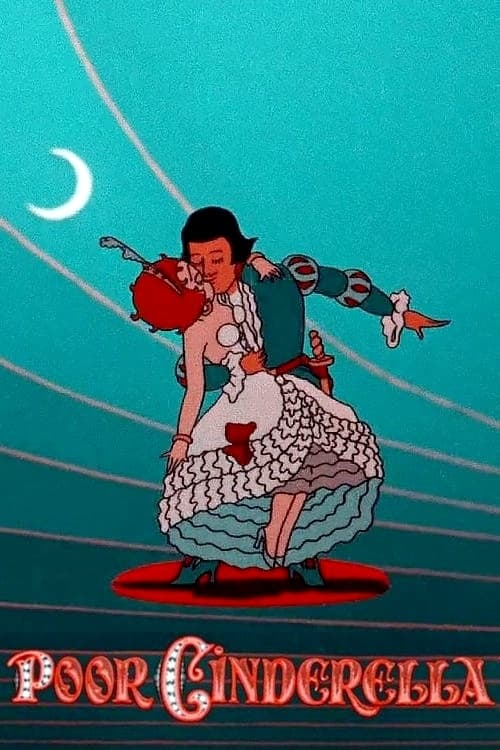
Poor Cinderella is a product of its era, adhering strictly to the social and narrative constraints of 1930s animation. The film reinforces established hierarchies rather than challenging them, using a standard Western fairy-tale framework to drive its plot. The representation is largely homogeneous, focusing on a Eurocentric aesthetic and traditional romantic structures. While Betty Boop often displays playful ability to act, her success in this story is ultimately facilitated by magic and traditional gender roles. Ultimately, the film serves as a time capsule of early American animation, prioritizing conventional moralism and social stability over diversity or subversion.
Category Breakdown
The film follows a traditional fairy-tale structure focused on romantic relationships. There are no depictions of LGBTQ+ identities or stories.
The narrative relies on traditional gender stereotypes where female empowerment is linked to magical intervention. Betty Boop's social mobility depends on her beauty and being chosen by a male character.
The film reflects a homogeneous, Eurocentric aesthetic typical of 1934 animation. There is no evidence of diverse casting or challenging racial hierarchies.
The story operates within a conventional Western fairy-tale framework. It reinforces traditional social structures through a moral progression of hardship followed by marriage.
There is no discernible evidence of characters with visible or invisible disabilities in this short.
Present on Screen
Limited or Absent
Official Synopsis
In the only Betty Boop color cartoon, Cinderella (Betty) goes to the ball thanks to her fairy godmother. Later, only her foot fits the glass slipper.
1979
1950
1935

1950
1938

1935
1935
1934
No reviews yet. Be the first to share your thoughts on this movie!
Use the rating form above to leave a star rating and optional review.