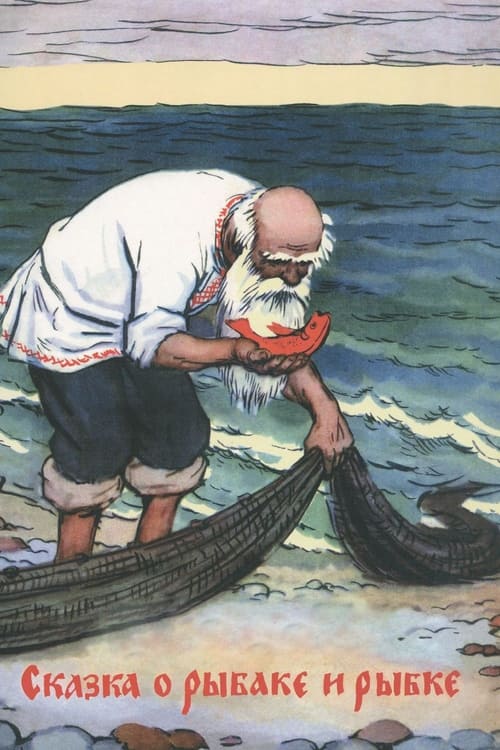
The Tale of the Fisherman and the Goldfish
1950
No user ratings available yet
Representation score: 2.9 out of 10
Representation Score
Limited
1979
Director
Ivan Aksenchuk
Runtime
18 minutes
Average Rating
No ratings yetNew Showbiz Analysis
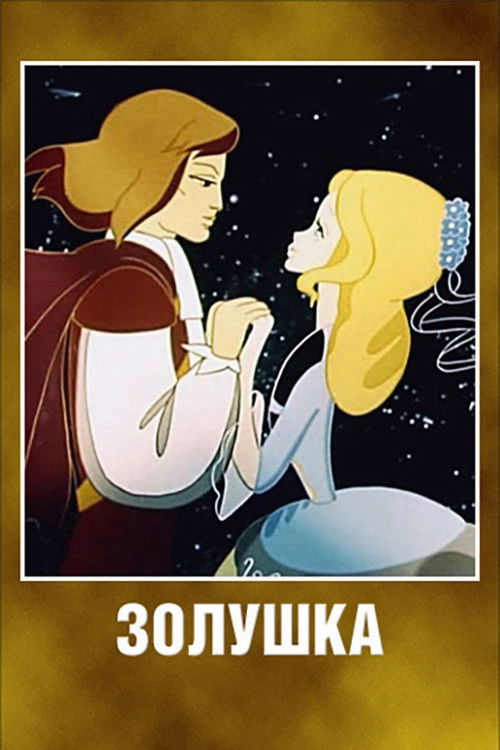
Ivan Aksenchuk’s 1979 animation follows a traditional, localized narrative structure. It lacks modern multi-layered complexity, focusing instead on a classic fairy tale archetype that aligns with the era's cinematic output. While the film lacks representation for LGBTQ+ identities and disabilities, it provides a distinct cultural perspective by operating outside Western capitalist and religious norms. This Soviet-era framing offers a baseline of cultural distinction through its folkloric approach. Ultimately, the film is a product of its time, prioritizing established gender and racial clichés over diverse social representation.
Category Breakdown
The film sticks to a traditional fairy tale format and does not include any depictions of non-straight or non-cisgender identities or same-sex relationships.
The story focuses on a female protagonist who gains significant influence during her transformation, but the narrative leans on conventional romantic clichés.
The visuals reflect a homogeneous aesthetic typical of European folk tales. There is no indication of diverse ethnic representation or casting actors of different backgrounds.
The production offers a non-Western, Soviet-era framework emphasizing communal values or secular folklore rather than Western religious morality.
There are no characters with visible or invisible disabilities in the narrative. Disability is not a central theme.
Present on Screen
Limited or Absent
Official Synopsis
The Cinderella story.
1950

1957
1934
1965
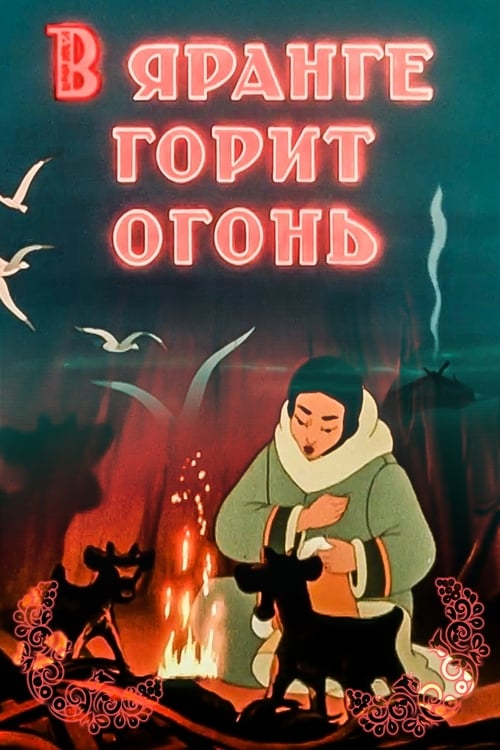
1956
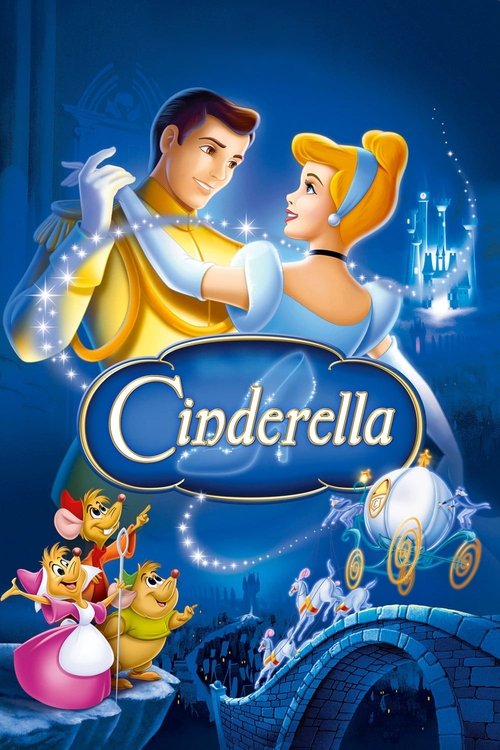
1950
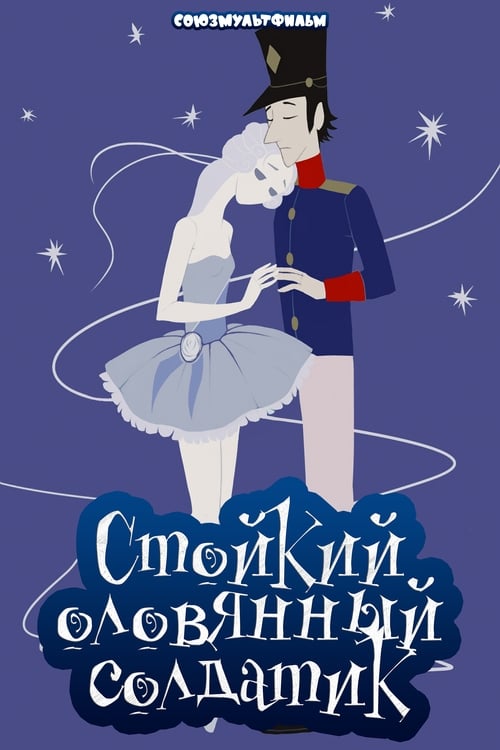
1976
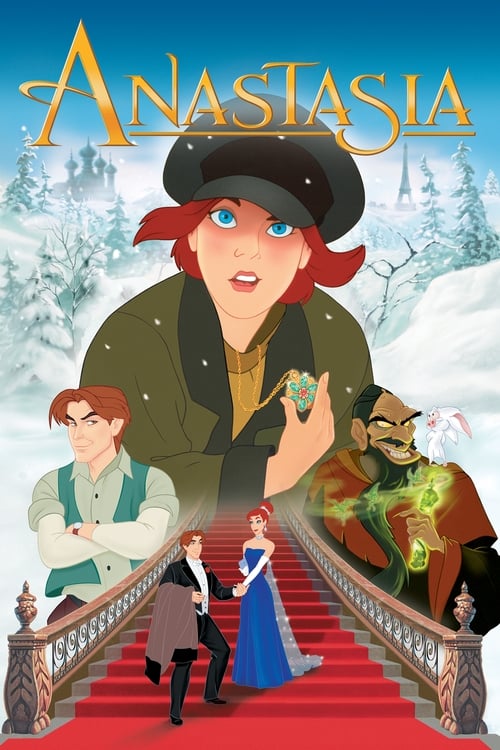
1997
No reviews yet. Be the first to share your thoughts on this movie!
Use the rating form above to leave a star rating and optional review.