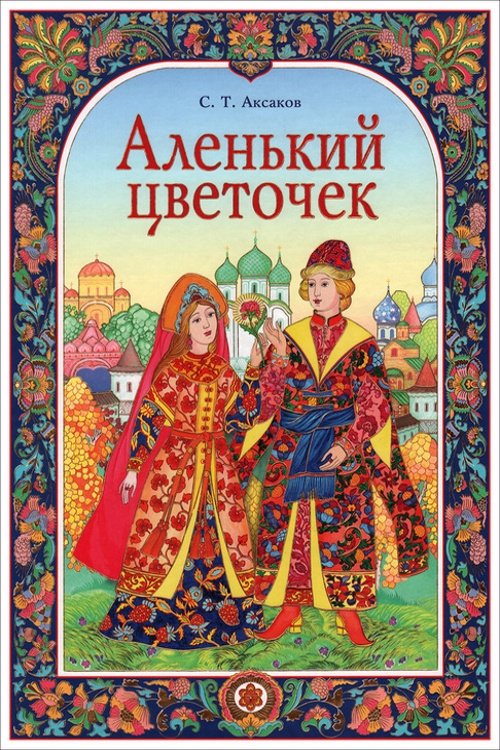
The Scarlet Flower
1952
No user ratings available yet
Diversity score: 2.4 out of 10
1935
ApprovedDirector
Ben Harrison
Runtime
8 minutes
Average Rating
No ratings yetSynopsis
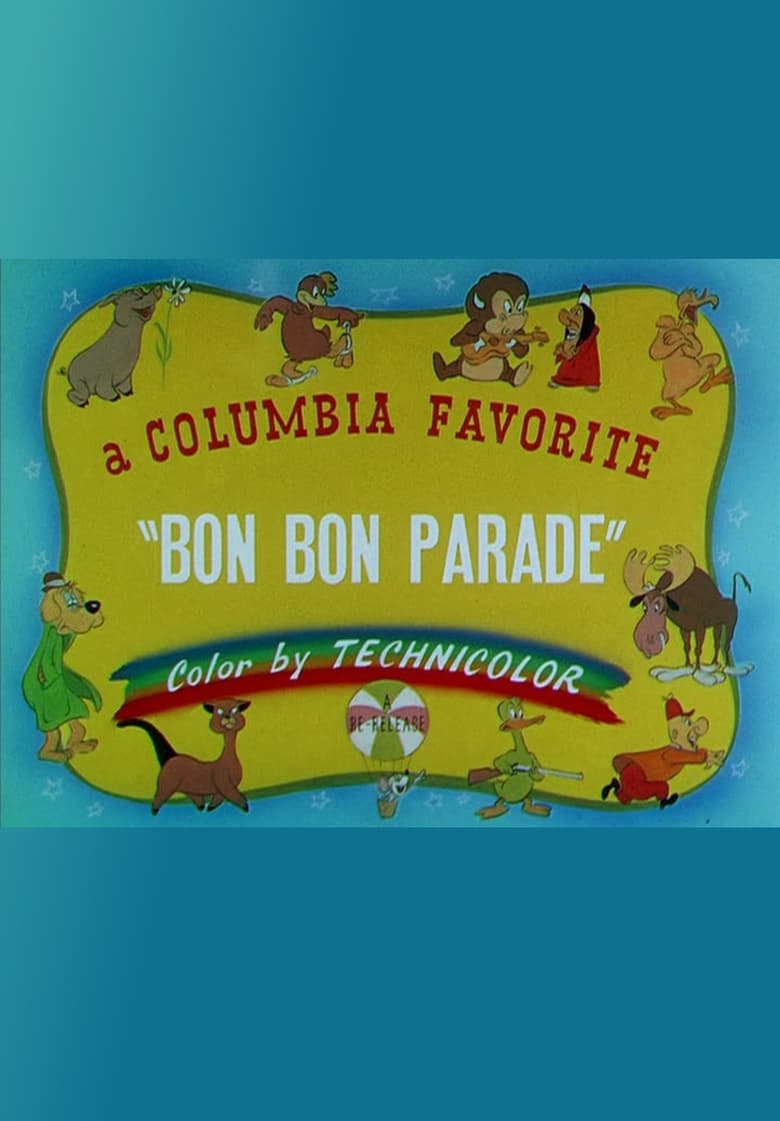
A little poor boy, attracted one evening by a confectionery shop's window display, unexpectedly finds himself inside, where a cupid offers him a wish. The boy asks to live in Candytown full time.
Overall Score
Limited
Category Breakdown
LGBTQ+ Representation
The film focuses on a singular interaction between a child and a mythological Cupid. There is no evidence of non-heteronormative identities or critiques of heteronormativity.
Gender Representation
The story features a male protagonist and standard character archetypes. While Cupid suggests a mythological archetype, the film does not subvert traditional gender hierarchies.
Racial & Ethnic Diversity
The narrative follows a conventional mid-century American animation aesthetic. It lacks intentional racial blending or the use of non-white protagonists to challenge demographic norms.
Religious & Cultural Diversity
The film celebrates Western escapism and material abundance through a consumer-centric fantasy. It aligns with traditionalist values of childhood wonder rather than social critique.
Disability Representation
There is no evidence of characters with visible or invisible disabilities within the narrative.
Strengths
Areas for Improvement
AI Analysis
The Bon Bon Parade is a traditional fantasy short that prioritizes escapism and wish-fulfillment. The plot follows a boy's transition from poverty to a world of abundance, utilizing classic tropes of the 1930s animation era. The film functions as a piece of period-specific entertainment that adheres to established social hierarchies. It focuses on consumerist wonder and childhood innocence rather than exploring systemic social complexities or identity-based narratives. Ultimately, the work reflects the conventional cultural frameworks of its time, offering whimsical entertainment without attempting to disrupt or represent marginalized identities.
1952
1934
1950
1940
1934

1935
No reviews yet. Be the first to share your thoughts on this movie!
Use the rating form above to leave a star rating and optional review.