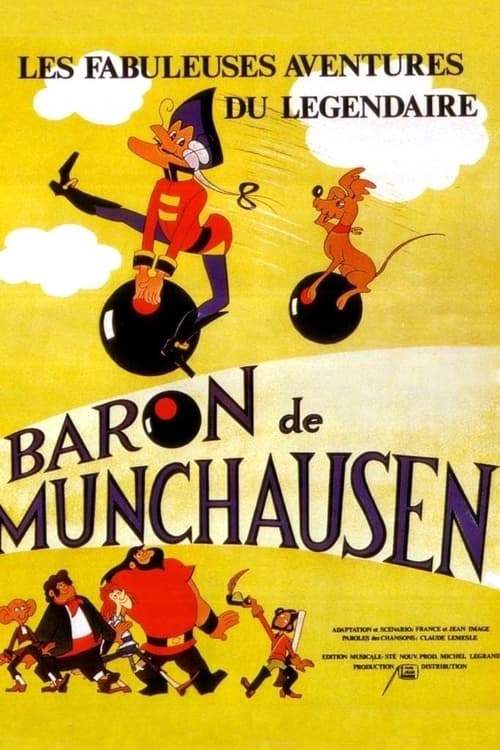
The Fabulous Adventures of the Legendary Baron Munchausen
1979
No user ratings available yet
Diversity score: 3.1 out of 10
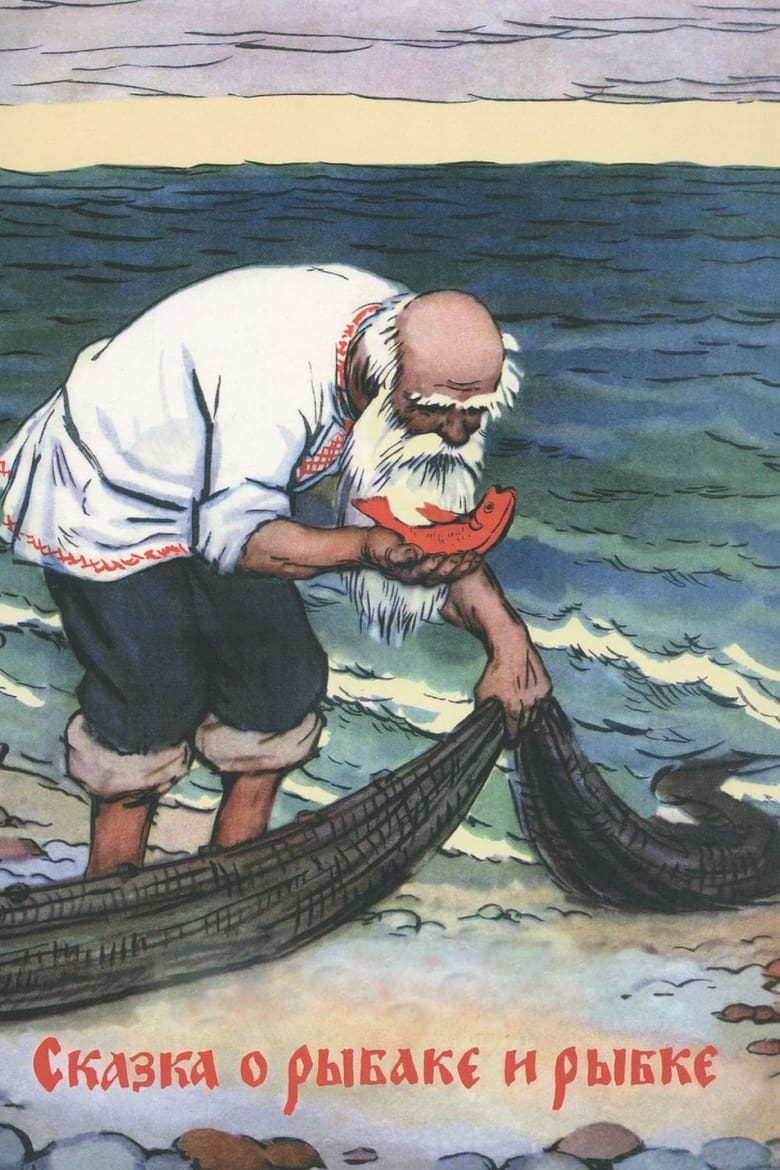
1950
Director
Mikhail Tsekhanovskiy
Runtime
32 minutes
Average Rating
No ratings yetSynopsis
The tale about an old, henpecked man whose new friend fulfills all desires of his wife.
Overall Score
Fair
Category Breakdown
LGBTQ+ Representation
The film follows a traditional folk-tale structure. It lacks any queer narratives or non-heteronormative identities, focusing instead on a conventional marital unit.
Gender Representation
The wife drives the plot through her pursuit of power, subverting the trope of the submissive female. However, the story's moral conclusion serves as a cautionary tale against her ambition.
Racial & Ethnic Diversity
The cast is culturally homogeneous, reflecting its 1950 Soviet production and Slavic folklore roots. It lacks intersectional racial dynamics or diverse ethnic representation.
Religious & Cultural Diversity
The narrative critiques materialist greed and the pursuit of social status. It aligns with collectivist values by framing insatiable desire as a source of moral decay.
Disability Representation
The characters are presented as able-bodied archetypes. There are no visible or invisible disabilities portrayed within the animation.
Strengths
Areas for Improvement
AI Analysis
The film offers a complex look at power dynamics through a traditional lens. It succeeds in subverting gendered passivity by making the wife the primary driver of the narrative, though it ultimately punishes her ambition to deliver a moral lesson. While the film provides a strong critique of materialism and class-based ego, it remains culturally narrow. The focus on Slavic folklore and the absence of diverse racial or LGBTQ+ identities limit its broader representation. Ultimately, the work functions as a didactic fable. It prioritizes moral stability and collectivist values over modern intersectional themes, resulting in a score that reflects its specific historical and cultural context.
1979
1979

2008
1952
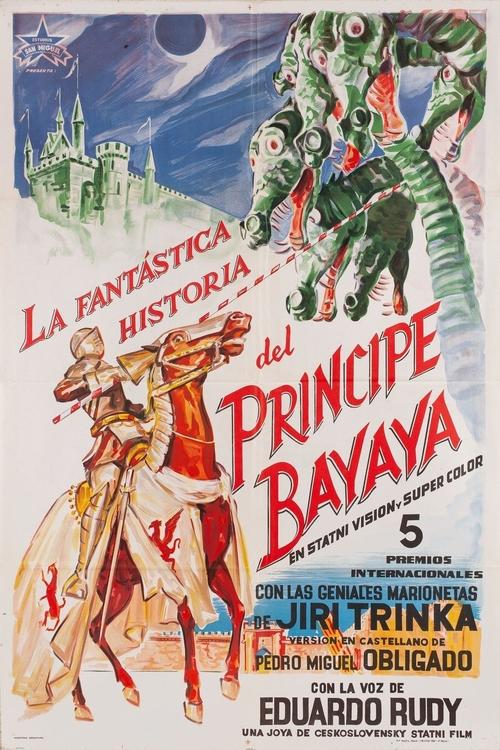
1951
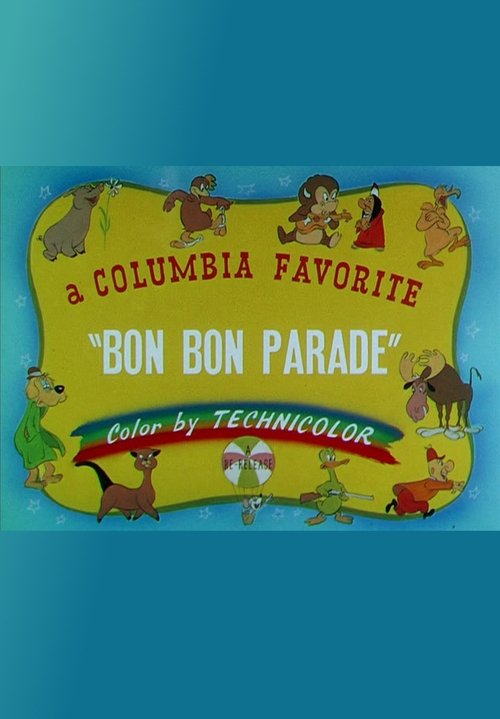
1935
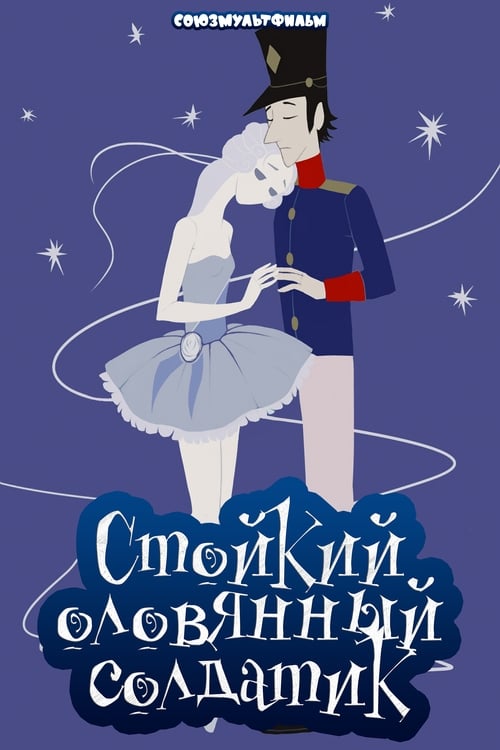
1976
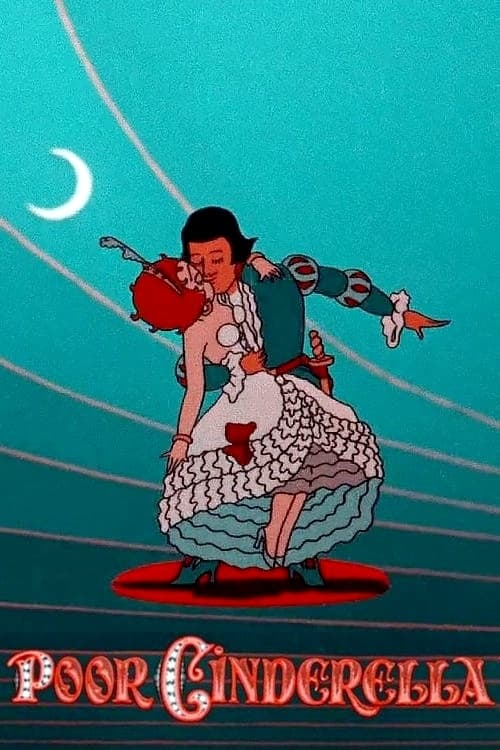
1934
1956
1954
No reviews yet. Be the first to share your thoughts on this movie!
Use the rating form above to leave a star rating and optional review.