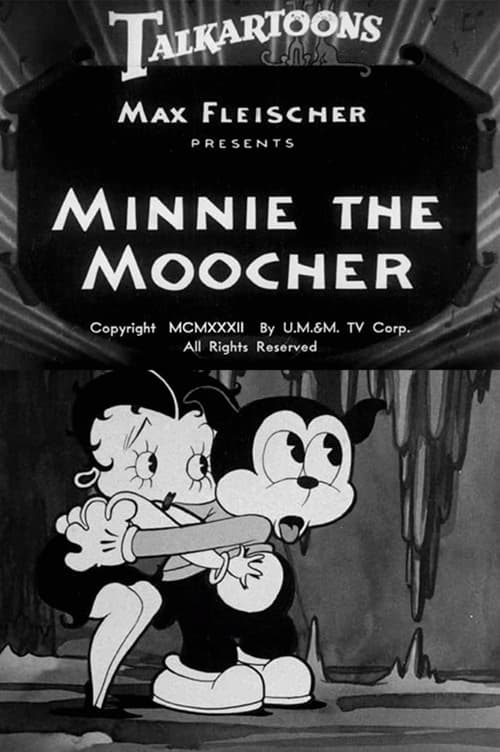
Minnie the Moocher
1932
No user ratings available yet
Representation score: 3.6 out of 10
Representation Score
Minimal
1933
Director
Dave Fleischer
Runtime
7 minutes
Average Rating
No ratings yetNew Showbiz Analysis
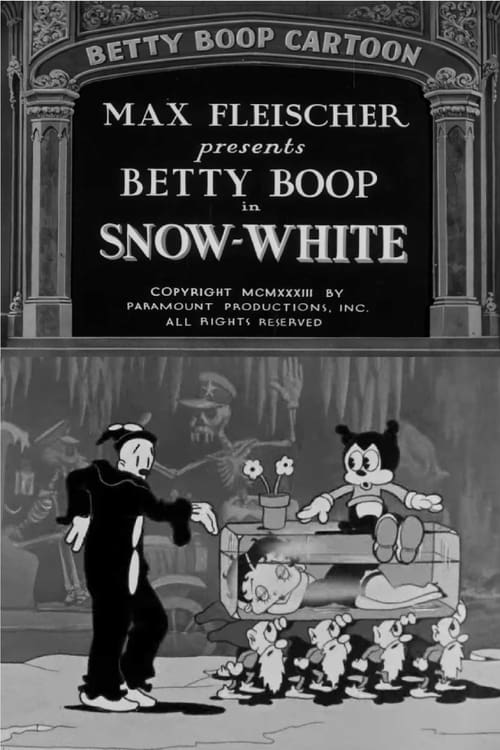
Snow-White (1933) is a period piece that adheres to the established social norms and traditional hierarchies of its time. It offers no subversion of the status quo and relies on a Eurocentric visual language and conventional gender roles. The protagonist lacks control over her fate, serving as a passive figure within a rigid, moralistic framework that reinforces existing power structures. Ultimately, the production reflects the aesthetic and cultural constraints of the Golden Age of animation, prioritizing traditional storytelling over diversity or social critique.
Category Breakdown
The film does not include any LGBTQ+ characters or non-straight relationships. The interpersonal dynamics are strictly within a traditional framework of pursuit and peril.
Gender hierarchies are reinforced through unequal power dynamics. Betty Boop is portrayed as a passive object of desire, while authority figures and the antagonist hold the majority of the power and control.
The animation features a homogeneous cast with a design typical of 1930s Western folklore. There is no evidence of diverse casting or the use of different backgrounds.
The narrative follows a singular, moralistic fairy tale logic. It reinforces traditional Western storytelling and authority structures without challenging systemic power or presenting moral ambiguity.
No visible or invisible disabilities are shown. Characters are depicted through the idealized, standard physical archetypes common to the Fleischer animation style.
Present on Screen
Limited or Absent
Official Synopsis
Trouble starts when the queen's magic mirror says Betty Boop is fairest.
1932
1931
1933
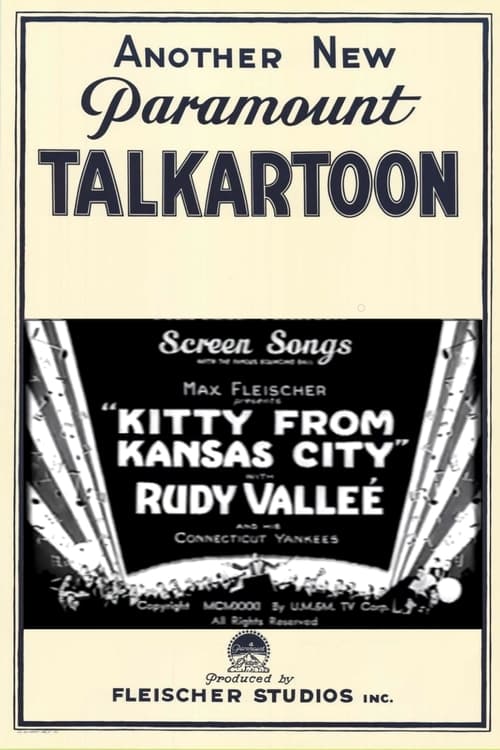
1931
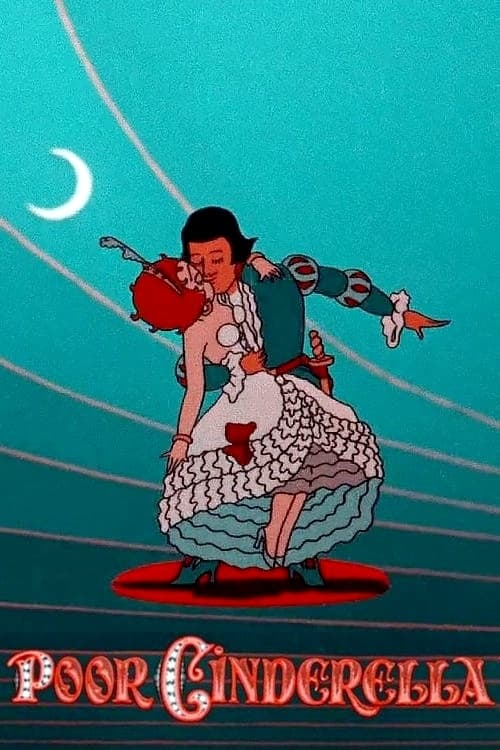
1934
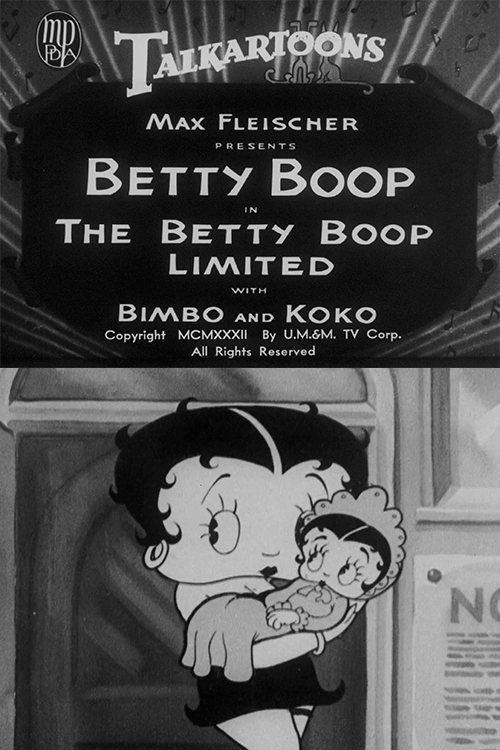
1932
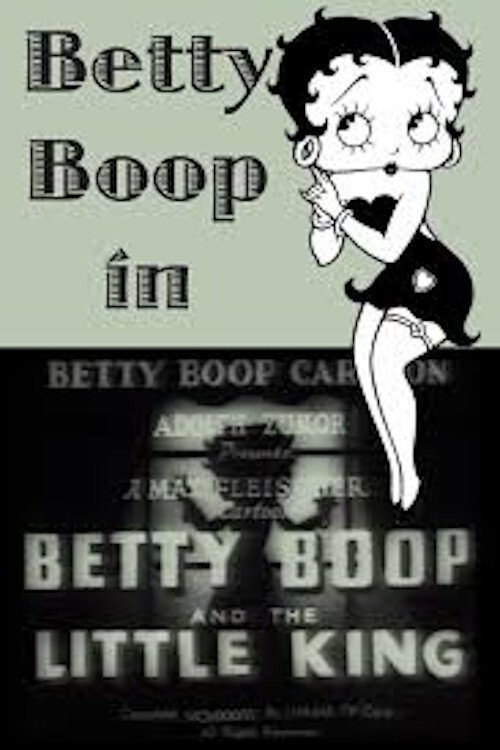
1936
1938
No reviews yet. Be the first to share your thoughts on this movie!
Use the rating form above to leave a star rating and optional review.