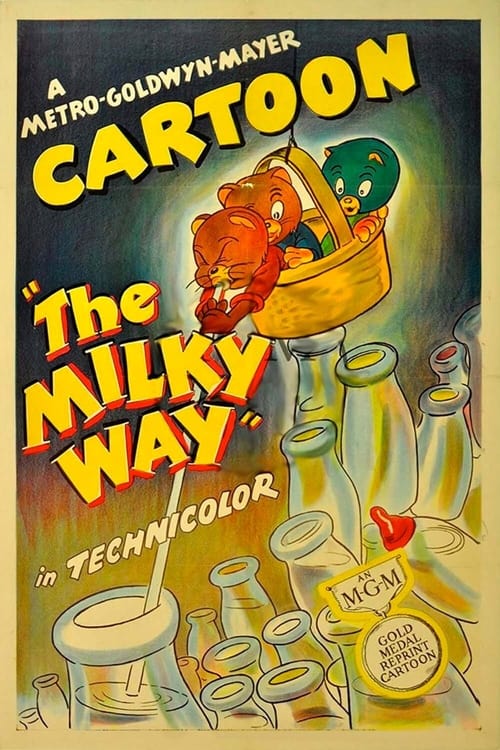
The Milky Way
1940
No user ratings available yet
Representation score: 0.3 out of 10
Representation Score
Limited
1934
ApprovedDirector
Dave Fleischer
Runtime
7 minutes
Average Rating
No ratings yetNew Showbiz Analysis
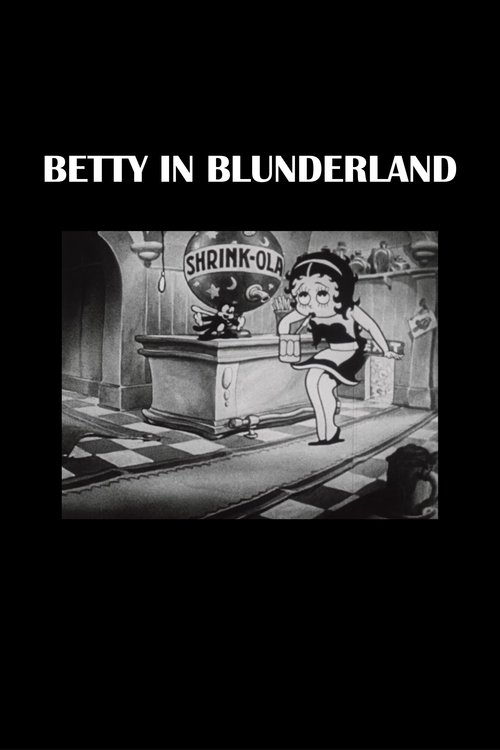
Betty in Blunderland is a surrealist animated film that relies on dream-like logic rather than social commentary. While it avoids many traditional moral fables, it lacks multi-layered depth or systemic critique. The film's strength lies in its narrative structure and the significant role played by Betty Boop. Her character drives the plot through a chaotic wonderland, offering a complex site for analyzing gendered performance. However, the work remains tied to the stylistic and social limitations of the 1930s. It lacks representation for LGBTQ+ identities and disabilities, and its racial elements are nuanced but historically constrained.
Category Breakdown
The film does not include any LGBTQ+ characters or themes related to non-straight identities. Betty's journey is focused solely on her personal experience in a surreal setting.
Betty Boop plays a central role in driving the story, but her significance is sometimes diminished by era-specific clichés that emphasize her as a visual spectacle.
Betty's design draws from vaudeville traditions with ties to African American culture, though this representation is nuanced and limited by the historical context of 1934.
The film prioritizes dream-like logic and surrealism over traditional social or moral structures. It avoids direct critiques of Western institutions and instead presents a chaotic, non-linear fantasy world.
There are no characters with visible or invisible disabilities in the story. The narrative does not address disability issues.
Present on Screen
Limited or Absent
Official Synopsis
Betty falls asleep doing a jigsaw puzzle and finds herself through the looking glass into a modern, urban wonderland. The shrinking potion comes from a "Shrinkola" dispenser. When most of the characters assemble, Betty sings "How Do You Do" to them. But the jabberwock steals Betty away.
1940
1951
1933
1936
1934
1936
1933
1936
No reviews yet. Be the first to share your thoughts on this movie!
Use the rating form above to leave a star rating and optional review.