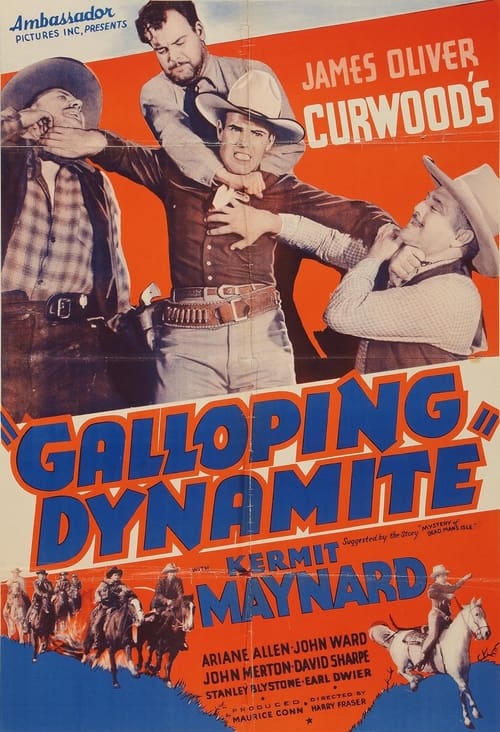
Galloping Dynamite
1937
No user ratings available yet
Diversity score: 2.3 out of 10
1933
PassedDirector
Harry L. Fraser
Runtime
55 minutes
Average Rating
No ratings yetSynopsis
An emergency at his Aunt's ranch gets Ed Randall leave from the Navy. He returns to find the water cut off and her note due the next day. When the man he seeks legal advice from is murdered, Ed is accused and he now finds himself in jail with a lynch mob forming outside.
Overall Score
Minimal
Category Breakdown
LGBTQ+ Representation
The film lacks any depiction of non-heteronormative identities. The story focuses entirely on a traditional male protagonist navigating a crisis of justice.
Gender Representation
The narrative centers on male action and legal conflict. While an aunt is mentioned, female characters appear to serve as plot catalysts rather than independent agents.
Racial & Ethnic Diversity
The film likely follows 1930s casting practices that prioritized white protagonists. The setting suggests a conventional Western environment that historically marginalized non-white characters.
Religious & Cultural Diversity
The plot operates within a standard framework of Western morality and property protection. It focuses on the struggle between legal order and lawlessness.
Disability Representation
There is no evidence of characters navigating physical, sensory, or neurodivergent experiences within the narrative.
Strengths
Areas for Improvement
AI Analysis
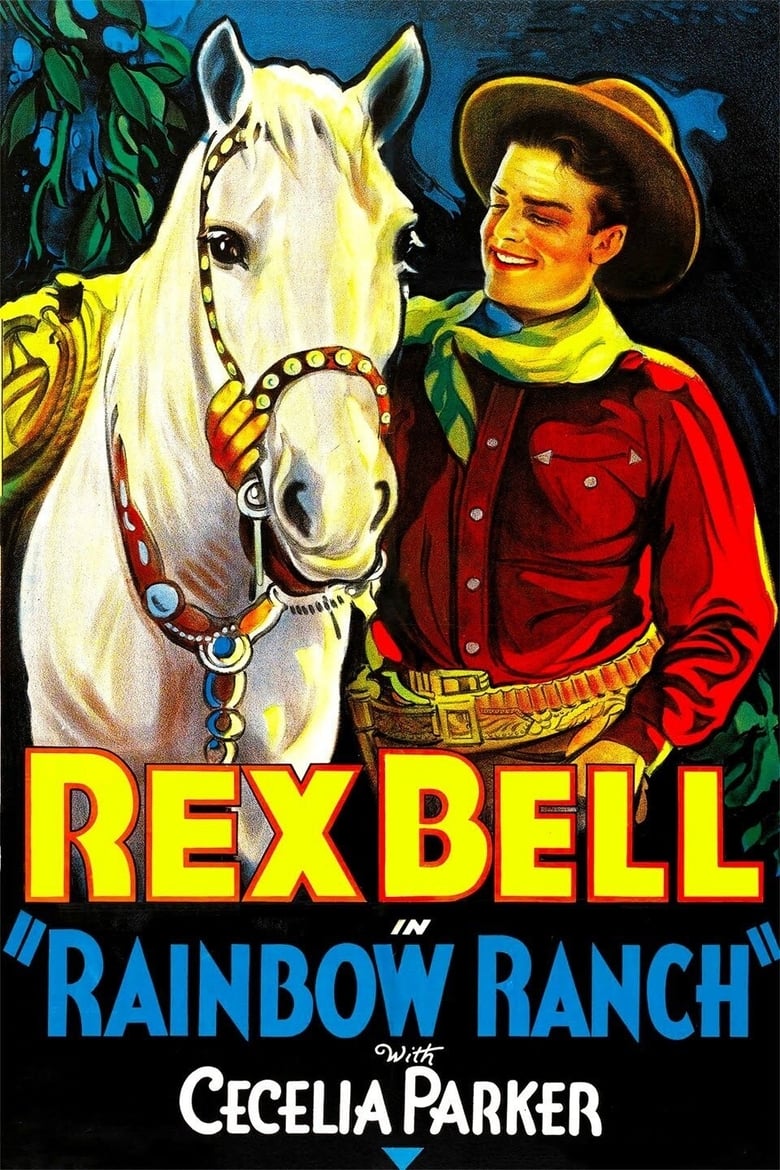
Rainbow Ranch is a quintessential product of the early 1930s Western genre. It relies heavily on established tropes, such as the individual hero defending a homestead against lawlessness and injustice. The film's structure reinforces traditional social hierarchies. The plot is driven by a male protagonist's struggle for survival and legal vindication, leaving little room for diverse perspectives or intersectional identities. Ultimately, the film functions as a conventional period piece. It adheres to the era's standard moral binaries and narrow character archetypes without attempting to disrupt or expand upon them.
1937
1933
1934
1932
1946
1935

1934

1935

1932
1934
1935
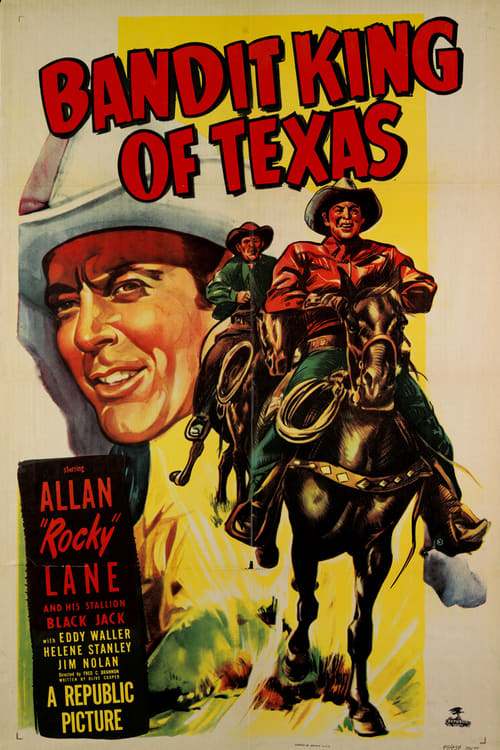
1949
No reviews yet. Be the first to share your thoughts on this movie!
Use the rating form above to leave a star rating and optional review.