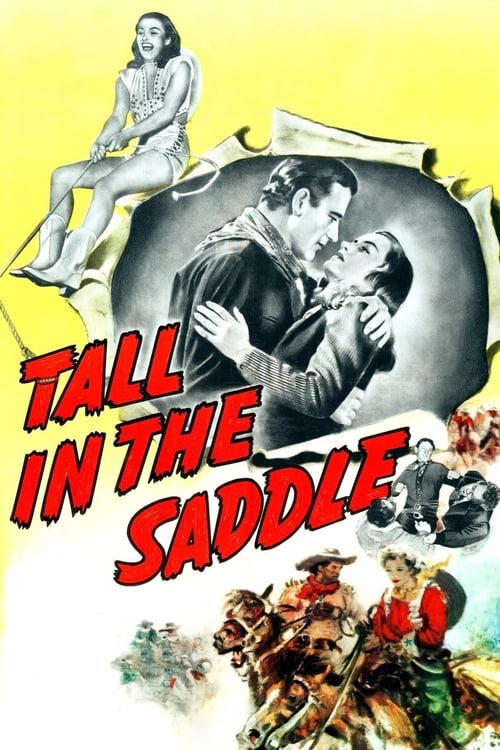
Tall in the Saddle
1944
No user ratings available yet
Representation score: 0.4 out of 10

Representation Score
Minimal
1951
ApprovedDirector
Philip Ford
Runtime
67 minutes
Average Rating
No ratings yetNew Showbiz Analysis
Rodeo King and the Senorita is a product of its time, functioning as a standard B-Western morality play. The narrative is driven almost entirely by male characters and traditional power dynamics, leaving little room for diverse perspectives or complex social identities. While the film includes Hispanic cultural markers through its setting and character names, these elements appear to follow established genre archetypes rather than providing deep or actively leading representation. The focus remains on a linear struggle between a corrupt antagonist and a righteous hero. Ultimately, the film reinforces the social hierarchies of 1951, prioritizing genre-standard archetypes over any meaningful multi-layered or progressive storytelling.
Category Breakdown
The film does not depict any LGBTQ+ identities or same-sex relationships. It adheres to the conventional romantic and platonic dynamics typical of 1950s Western cinema.
The story centers on a male protagonist and focuses on male-driven economic conflicts. A woman referred to as 'Senorita' appears to be a secondary figure with limited influence.
Hispanic identities are represented through names like Morales and the title's reference to a 'Senorita.' However, these characters may function within traditional, expendable clichés common to the era.
The narrative follows a standard Western framework of individual heroism and moral absolutism. It offers no critique of religious or social institutions, focusing instead on a hero versus villain struggle.
There are no visible or invisible disabilities portrayed in the film. The mentioned accident serves as a plot device for murder rather than a character study of disability.
Present on Screen
Limited or Absent
Official Synopsis
Lacey is after the profits of the Foster and Morales rodeo show. He has Morales killed during a stunt and then forces Foster to take him on as a silent partner. When Rex Allen joins the show, Lacey tries to get rid of him also. But Rex survives and now believes Morales' accident may have been murder.
1944
1941
1937
1954
1939
1937
1940
1945
No reviews yet. Be the first to share your thoughts on this movie!
Use the rating form above to leave a star rating and optional review.