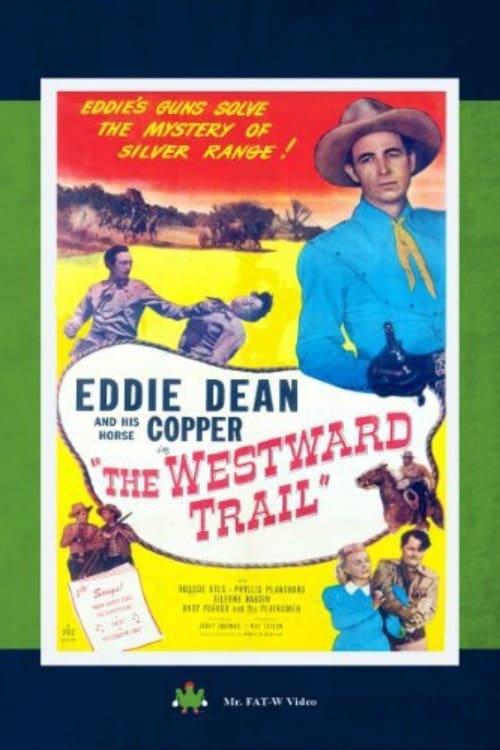
The Westward Trail
1948
No user ratings available yet
Representation score: 0.8 out of 10
Representation Score
Minimal
1940
PassedDirector
David Howard
Runtime
60 minutes
Average Rating
No ratings yetNew Showbiz Analysis
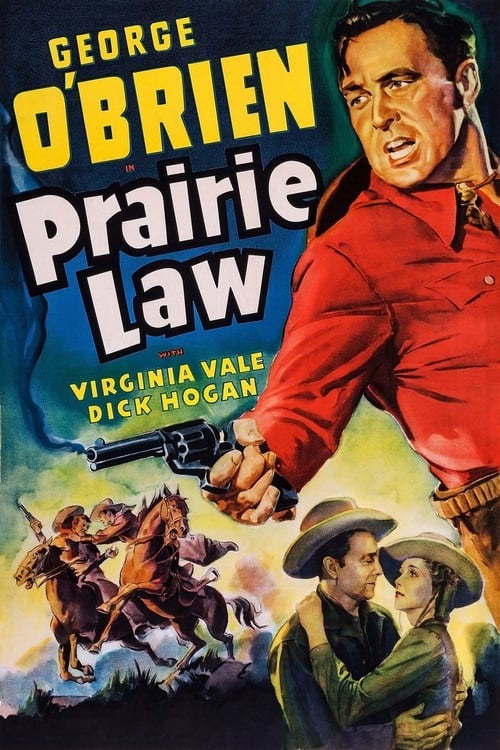
Prairie Law is a classic frontier morality play that emphasizes established social hierarchies and institutional stability. The plot follows a standard 'law vs. lawlessness' cliché, focusing on the tension between localized corruption and legal integrity. The film adheres to the traditional cinematic standards of the 1940s Western genre. It centers on masculine leadership and the preservation of jurisdictional authority through the Governor's intervention. Ultimately, the narrative structure serves to reinforce conventional frontier morality. It functions to uphold existing power structures without challenging or deconstructing systemic dynamics.
Category Breakdown
The film does not include any characters with non-straight or non-cisgender identities. The narrative focuses solely on land disputes and legal authority.
The power dynamics in the film revolve around masculine roles such as law enforcement and ranching. Women do not have significant roles or challenge traditional hierarchies.
The story reflects the traditional homogeneity typical of 1940s Westerns. It does not feature any non-white characters or diverse casting.
The plot upholds traditional Western values concerning property rights and political institutions. It supports the existing social order without critiquing it.
The film does not mention any characters with visible or invisible disabilities.
Present on Screen
Limited or Absent
Official Synopsis
Judge Curry is selling Austin's land to nesters and his men are rustling his cattle to provide beef. When the Sheriff accuses butcher Gore of possessing stolen beef, Gore kills him. Curry then holds a quick election to change the county seat so he can preside at the trial. But Brill gets the Governor to change it back and this leads to the big shootout between Curry's men and Brill and the ranchers.
1948
1940
1945
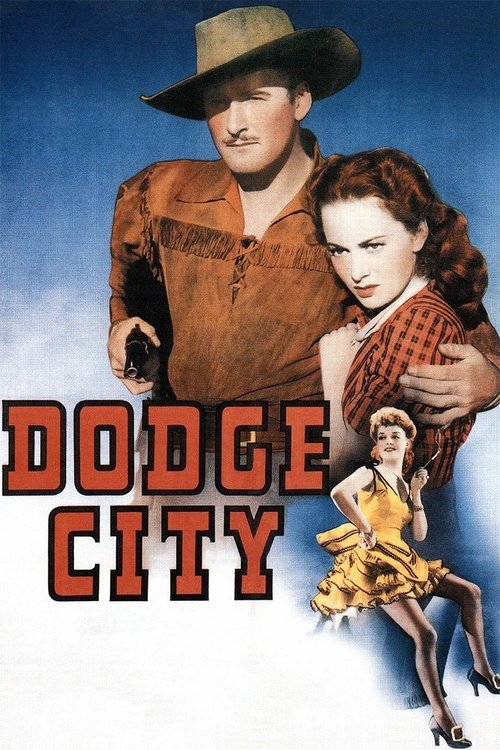
1939
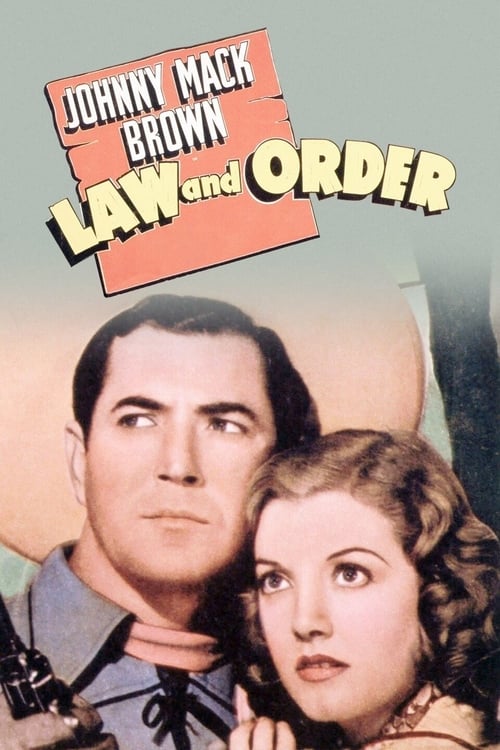
1940
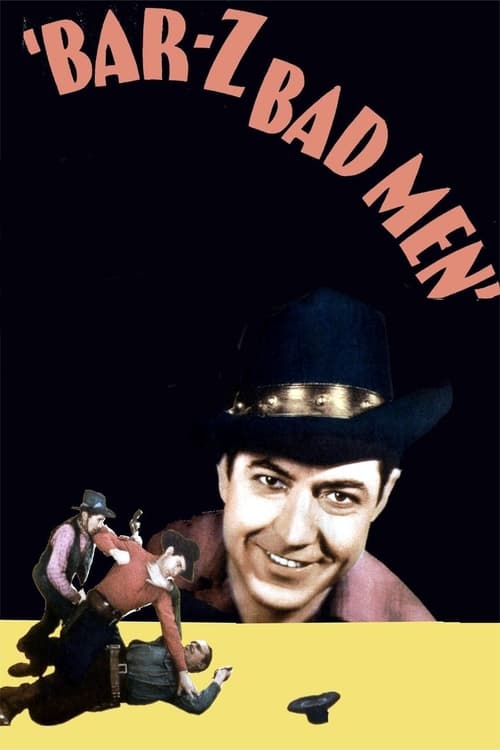
1937
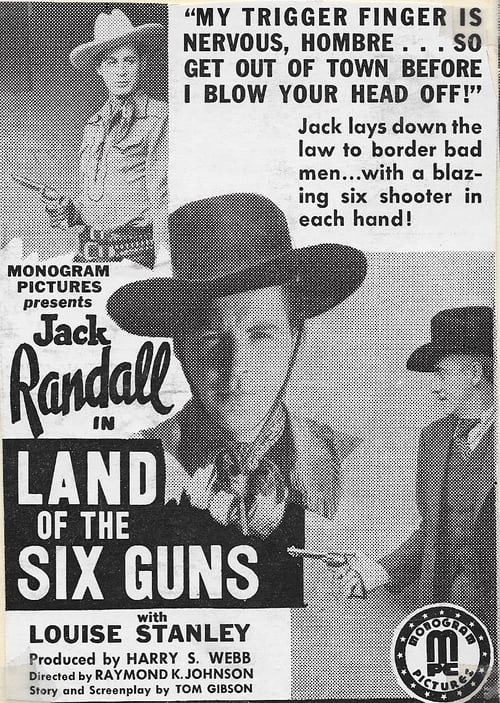
1940
1946
No reviews yet. Be the first to share your thoughts on this movie!
Use the rating form above to leave a star rating and optional review.