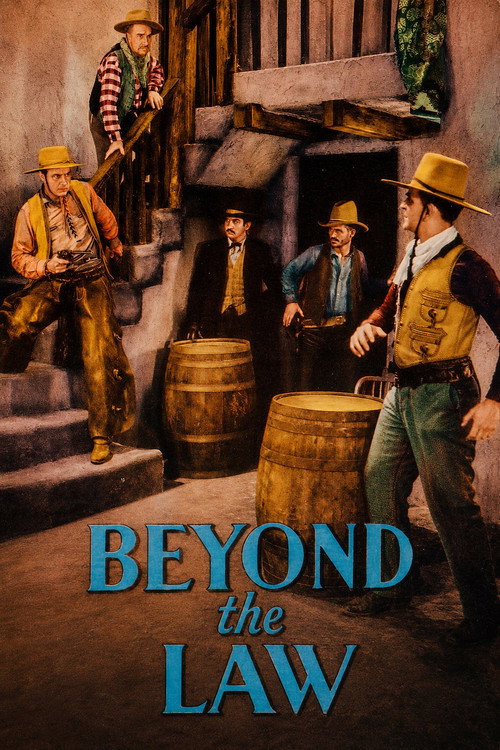
Beyond the Law
1930
No user ratings available yet
Diversity score: 1.4 out of 10
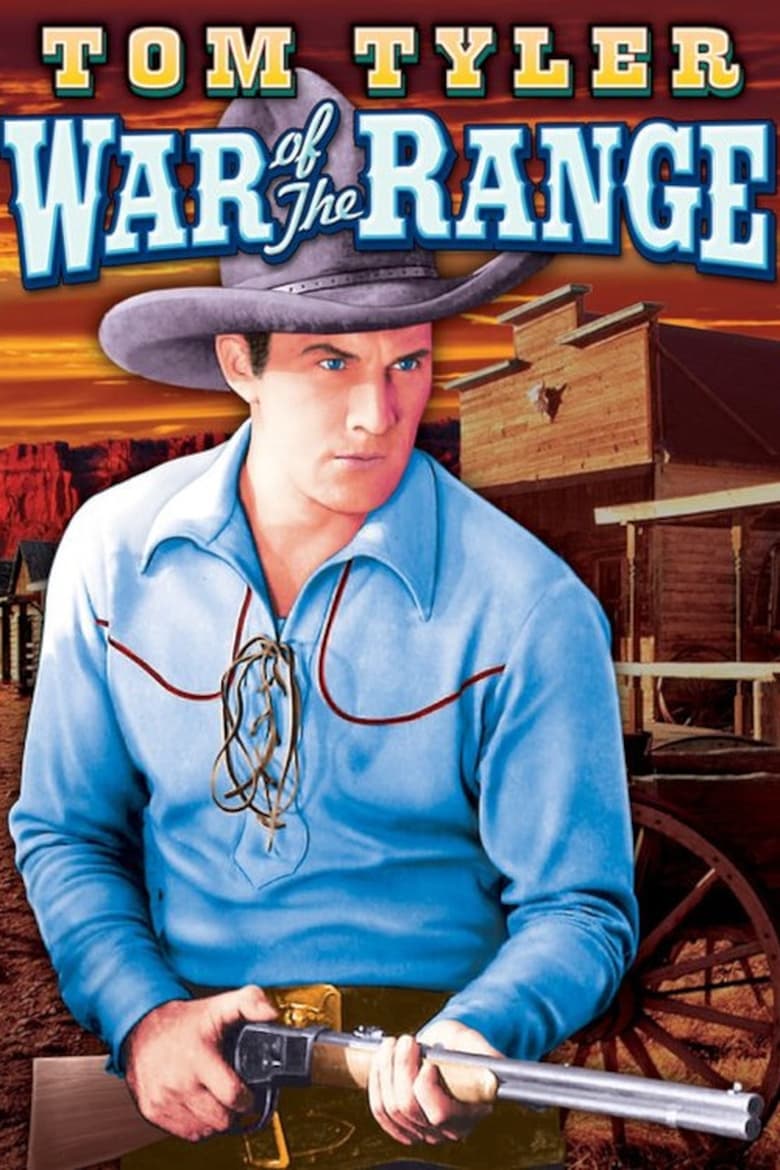
1933
ApprovedDirector
J.P. McGowan
Runtime
59 minutes
Average Rating
No ratings yetSynopsis
Jim Warren is starting a range war by getting his boss Duke Bradley to fence off part of the range used by other ranchers. This pits father against son when Tom Bradley sides with a newly arrived nester family. Then after stealing Duke Bradley's money, Warren frames Duke's son Tom for the theft.
Overall Score
Minimal
Category Breakdown
LGBTQ+ Representation
The film focuses entirely on ranching disputes and familial loyalty. There is no evidence of non-cisnormative identities or narratives that challenge heteronormative structures.
Gender Representation
The story is driven by male-centric conflicts involving bosses, fathers, and sons. These roles follow traditional masculine archetypes without evidence of female agency.
Racial & Ethnic Diversity
The narrative centers on the tension between established ranchers and new nesters. It lacks any indication of non-Anglo-Saxon casting or diverse racial dynamics.
Religious & Cultural Diversity
The plot engages with traditional Western values regarding property, lineage, and justice. It operates within the established framework of frontier justice and individualist struggle.
Disability Representation
There is no mention of characters with visible or invisible disabilities. Physical or neurodivergent traits do not play a role in the narrative arc.
Strengths
Areas for Improvement
AI Analysis
War of the Range is a conventional 1930s Western that prioritizes kinetic pacing and clear-cut moral archetypes. The plot revolves around land ownership, property rights, and the friction between established settlers and newcomers. The film reinforces traditional social hierarchies rather than questioning them. It relies on patriarchal family structures and masculine-driven conflict to move the story forward. Ultimately, the work functions as a standard genre piece of its era, adhering to the era's preoccupation with frontier justice and individualist struggle.
1930
1929
1930
1930
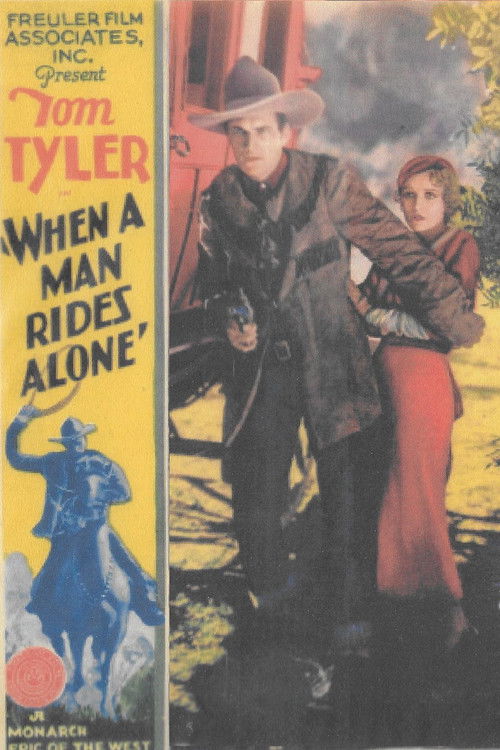
1933
1930
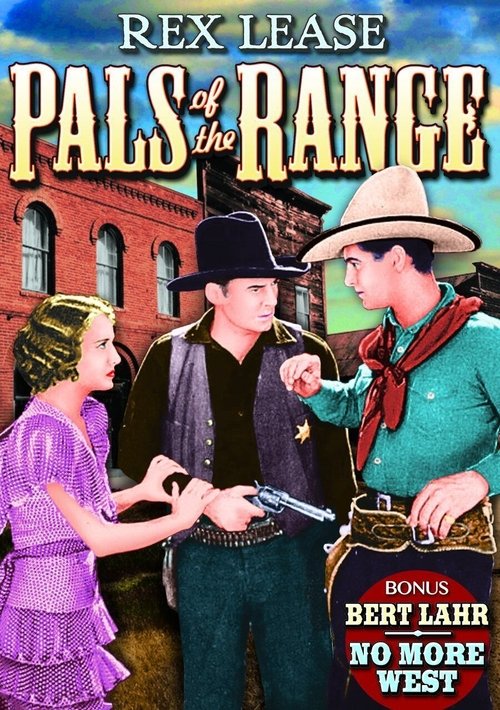
1935
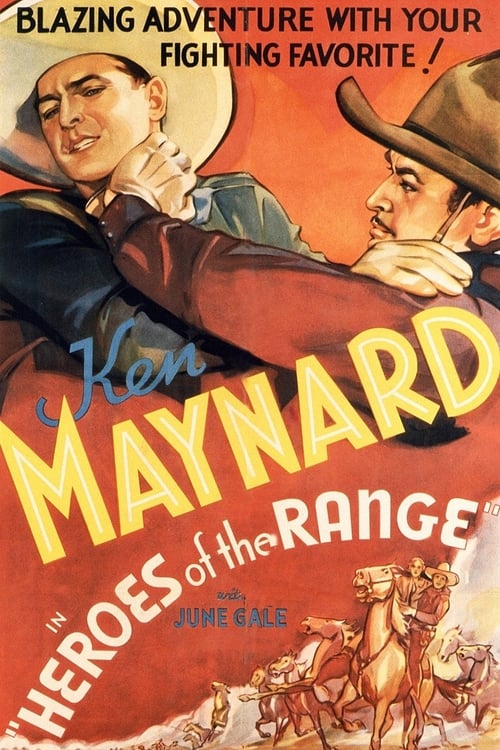
1936
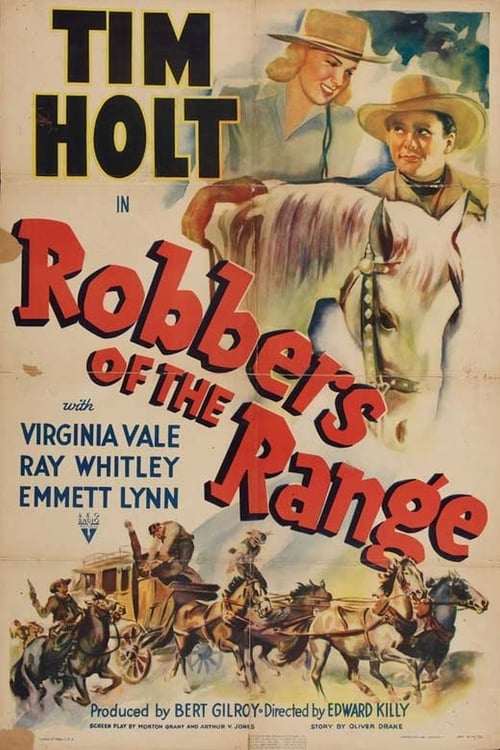
1941
1942
1940
1923
No reviews yet. Be the first to share your thoughts on this movie!
Use the rating form above to leave a star rating and optional review.