Very Nice, Very Nice
1961
No user ratings available yet
Representation score: 4.4 out of 10
Representation Score
Fair
1963
Not RatedDirector
Arthur Lipsett
Runtime
10 minutes
Average Rating
No ratings yetNew Showbiz Analysis
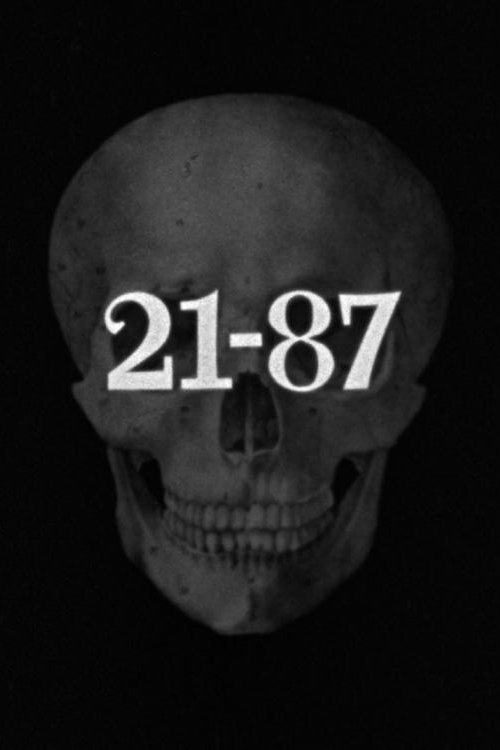
Arthur Lipsett’s *21-87* is a postmodern collage that prioritizes systemic critique over character-driven storytelling. By utilizing found footage and experimental montage to examine a machine-dominated landscape, it lacks the traditional narrative framework needed to depict specific demographic identities. The film excels in its high-level deconstruction of Western industrial structures and capitalist alienation. This intellectual depth provides a unique form of cultural commentary that transcends standard representation. However, the abstraction of the medium results in low scores for racial, gender, and LGBTQ+ representation. The focus on urban textures and industrial decay obscures individual identities, making the work a study of societal systems rather than human diversity.
Category Breakdown
The film's abstract, non-narrative structure prevents the depiction of specific sexual orientations. It focuses on societal alienation rather than interpersonal relationships.
By removing domestic frameworks, the film avoids reinforcing traditional gender hierarchies. However, the lack of gendered ability to act limits its ability to subvert traditional roles.
Rapid-fire montage and industrial footage obscure specific racial or ethnic identities. The focus remains on the socioeconomic condition of the masses rather than distinct representation.
The work offers a profound critique of Western industrial capitalism and the alienation of modern progress. It deconstructs the organized, rationalist Western worldview through systemic chaos.
The film lacks characters with specific disabilities but functions as a visual metaphor for sensory overload. It mirrors the disorientation of the modern human condition.
Present on Screen
Limited or Absent
Official Synopsis
This short film from Arthur Lipsett is an abstract collage of snippets from discarded footage found by Lipsett in the editing room of the National Film Board (where he worked as an animator), combined with his own black and white 16mm footage shot on the streets of Montreal and New York City, among other locations. A commentary on a machine-dominated society, it is often cited as an influence on George Lucas's Star Wars and his conceptualization of "The Force."
1961
1969
1964
1966
1966

1955
1971
1966
No reviews yet. Be the first to share your thoughts on this movie!
Use the rating form above to leave a star rating and optional review.