The End of Summer
1964
No user ratings available yet
Representation score: 5.6 out of 10
Representation Score
Good
1970
Director
Claude Jutra
Runtime
94 minutes
Average Rating
No ratings yetNew Showbiz Analysis
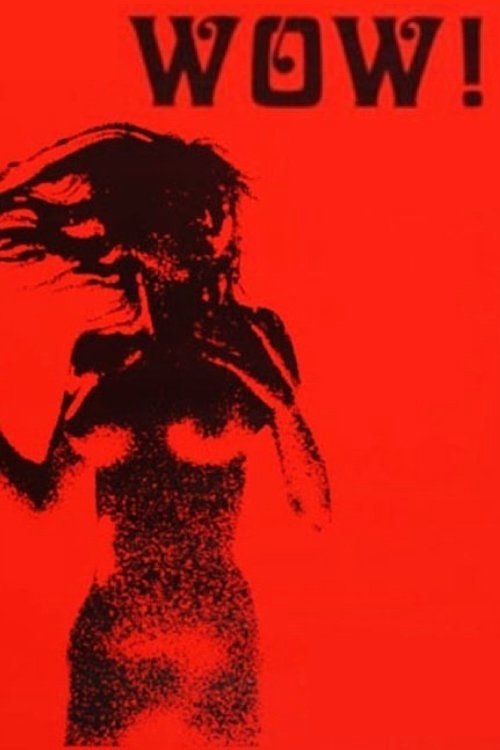
Claude Jutra’s *Wow* is a landmark experimental documentary that shifts narrative authority to the subjects themselves. By centering the internal lives and secret dreams of nine teenagers, the film explores deep psychological autonomy. The work excels at challenging traditional hierarchies, particularly regarding gender and authority. The use of stylized fantasy sequences allows for a profound exploration of identity that challenges the social constraints of the era. While the film is culturally progressive in its skepticism of institutions, it remains a product of its specific 1970 French Canadian context. It lacks explicit multi-ethnic representation or specific depictions of disability.
Category Breakdown
The film explores adolescent desire through surrealist fantasy. While specific non-straight identities are not confirmed, the focus on secret dreams emphasizes personal sexual expression over traditional social norms.
Female subjects demonstrate a significant role in driving the story through dream sequences. Characters like Babette challenge traditional domestic roles by occupying positions of structural power and command, such as an abbess defending a fortress.
The cast reflects the local French Canadian demographic of 1970. The film focuses on localized identity expression rather than highlighting a multi-ethnic or non-Anglo-Saxon majority.
The narrative is highly progressive in its critique of established institutions. It prioritizes subjective morality and skepticism toward traditional social order through themes of rebellion and social conflict.
The film utilizes animation and surrealism to explore psychological states. However, there is no specific evidence regarding the depiction of physical or neurodivergent disabilities as central narrative drivers.
Present on Screen
Limited or Absent
Official Synopsis
In this French Canadian film, the lives of teenagers are examined in fantasy sequences and through the use of documentary interviews. Prompted by the filmmaker, nine teenagers individually act out their secret dreams and, between times, talk about their world as they see it. The fantasy sequences make creative use of animation, unusual film-development techniques, and stills. Babette conceives of herself as an abbess defending her fortress, a convent; Michelle is transported in a dream of love where all time ceases; Philippe is the revolutionary, defeating all the institutions that plague him, and so on, through all their fantasies. All the actual preoccupations of youth are raised: authority, drugs, social conflict, sex. Jutra's style in "Wow" exhibits his innovative approach to storytelling and filmmaking, showcasing his talents as a director during that period. With English subtitles.
1964
1961
1968

1929

1968

2010
1966
1970
No reviews yet. Be the first to share your thoughts on this movie!
Use the rating form above to leave a star rating and optional review.