
Home Movie: On the Set of Philippe Garrel's 'Le lit de la vierge'
1968
No user ratings available yet
Diversity score: 2.9 out of 10
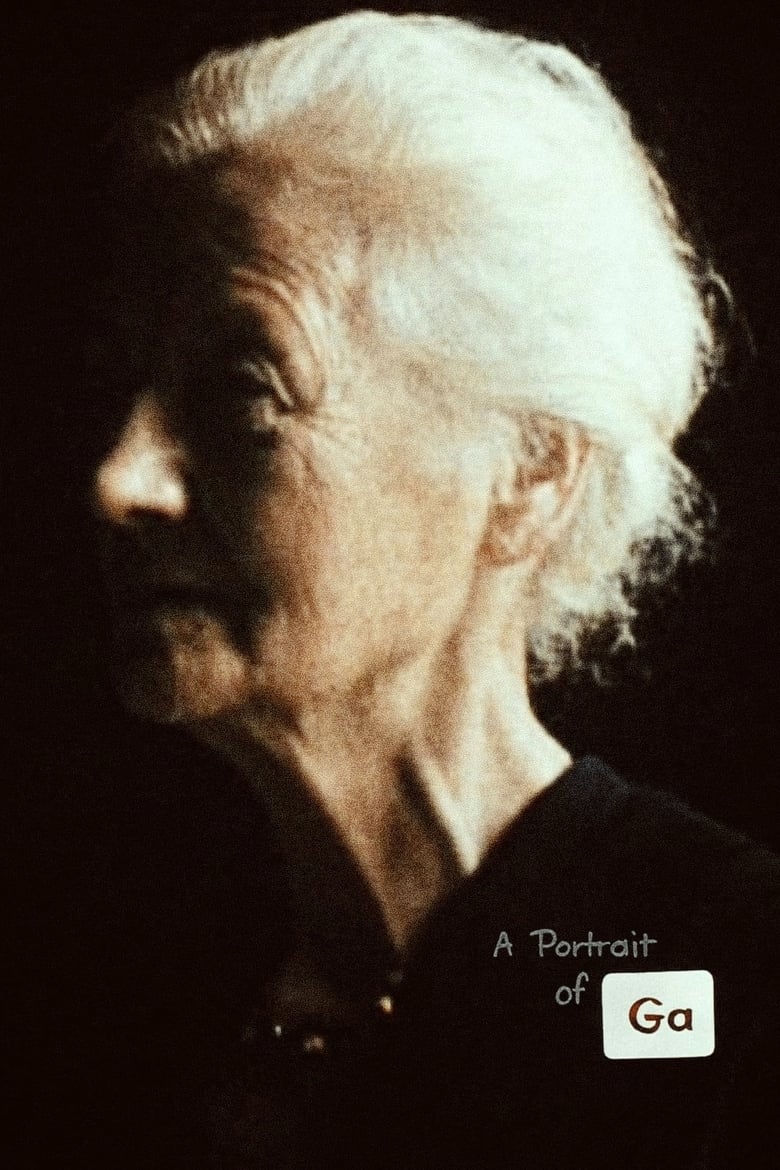
1952
Director
Margaret Tait
Runtime
4 minutes
Average Rating
No ratings yetSynopsis
The 'Ga' of the title refers to the film maker's mother. The film gathers together this elderly lady's everyday actions to offer an abstract insight into her life. Margaret Tait described this film as follows: 'My mother seemed a good subject for a portrait, (she was there), and I thought it offered a chance to do a sort of 'abstract film', in the sense that it didn't have what you might call 'the grammar of film'. It's mostly discontinuous shots linked just by subject, in one case by colour, only rarely by movement'.
Overall Score
Limited
Category Breakdown
LGBTQ+ Representation
The film lacks explicit depictions of same-sex intimacy or non-cisnormative identities. However, its rejection of traditional romantic tropes offers a subtle departure from 1950s cinematic norms.
Gender Representation
Tait subverts the era's male gaze by centering a female subject through intimate observation. This approach grants the subject agency rather than treating her as a decorative object.
Racial & Ethnic Diversity
The film focuses on a singular subject and lacks evidence of a multi-ethnic cast. It does not engage with racial or ethnic intersectionality.
Religious & Cultural Diversity
The work prioritizes individual essence over organized religious or institutional frameworks. It favors a secular, humanist perspective that deconstructs large-scale social structures.
Disability Representation
There is no evidence regarding the portrayal of physical or neurodivergent conditions. The focus remains on aesthetic essence rather than medical or social identifiers.
Strengths
Areas for Improvement
AI Analysis
Margaret Tait’s experimental documentary challenges the rigid storytelling hierarchies of the 1950s. By focusing on a personal, observational study of her mother, the film disrupts the objectifying gaze common in mid-century cinema. While the film lacks demographic breadth or multi-ethnic representation, it succeeds in its formalist subversion of social structures. It replaces institutional narratives with a highly subjective, humanist view of identity. Ultimately, the work is a study of presence and agency. It trades traditional narrative tropes for a decentralized approach to human existence.
1968

1979
1986
1998

1994

1978
1975

2009

1986
2012
2018

1965
No reviews yet. Be the first to share your thoughts on this movie!
Use the rating form above to leave a star rating and optional review.