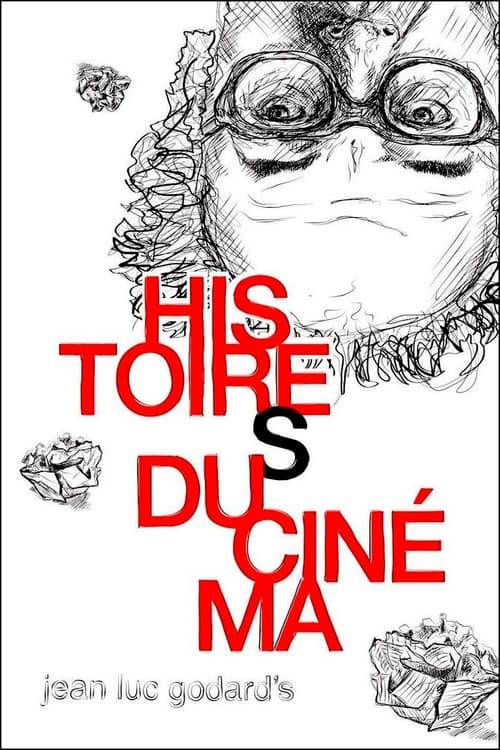
Histoire(s) du Cinéma 2b: Deadly Beauty
2006
No user ratings available yet
Representation score: 6.7 out of 10
Representation Score
Good
2006
Director
Jean-Luc Godard
Runtime
84 minutes
Average Rating
No ratings yetNew Showbiz Analysis
Jean-Luc Godard’s work serves as a structural critique of power rather than a character-driven narrative. By using a collage of film fragments, the film dismantles the traditional hierarchies of the cinematic medium. The film’s strength lies in its intellectual disruption of the status quo. It challenges the dominance of Western history through an anti-capitalist lens and a postmodern examination of the image. However, its non-narrative structure limits its ability to provide specific, character-driven representation for underrepresented groups. It prioritizes symbolic critique over the depiction of lived experiences.
Category Breakdown
The film does not feature explicit romantic storylines or character-driven LGBTQ narratives. Instead, it uses a fragmented montage to break down traditional heterosexual storylines. This approach challenges the stability of conventional identity through its structure.
The film avoids traditional submissive female roles by highlighting tensions within the cinematic apparatus. It resists a linear, masculine-dominated narrative, offering a fragmented sensory experience instead.
The film includes a range of historical racial representations but focuses on critiquing how race has been historically constructed through the medium. It highlights the spectacle of the image and how it perpetuates colonialist perspectives.
The film excels by critiquing Western institutions and mass media through a subjective, non-linear perspective. It deconstructs the Western cinematic canon, favoring a critique over dogmatic religious or patriotic narratives.
There is insufficient information to determine how neurodivergence or physical disabilities are portrayed. The montage format makes it unclear if these subjects have real influence or serve merely as plot devices.
Present on Screen
Limited or Absent
Official Synopsis
A very personal look at the history of cinema directed, written and edited by Jean-Luc Godard in his Swiss residence in Rolle for ten years (1988-98); a monumental collage, constructed from film fragments, texts and quotations, photos and paintings, music and sound, and diverse readings; a critical, beautiful and melancholic vision of cinematographic art. (Abridged version of the original collection of eight short films).
2006
1983
1989
2008
2006
2004
1989
2006
No reviews yet. Be the first to share your thoughts on this movie!
Use the rating form above to leave a star rating and optional review.