One Second in Montreal
1969
No user ratings available yet
Representation score: 2.6 out of 10
Representation Score
Good
1973
Not RatedDirector
Peter Greenaway
Runtime
7 minutes
Average Rating
No ratings yetNew Showbiz Analysis
Peter Greenaway’s *Intervals* is an experimental documentary that prioritizes urban textures and movement over character-driven storytelling. By relying on a static camera and anonymous pedestrians, the film avoids many traditional identity-based hierarchies found in narrative cinema. While the work disrupts conventional spectatorship through its formalist approach, it operates primarily through omission. It does not actively promote specific identities, limiting its proactive representation. Ultimately, the film’s value lies in its ability to bypass the social clichés of mid-century cinema by stripping subjects of individual identity and focusing on the collective urban environment.
Category Breakdown
The film does not explicitly depict LGBTQ+ characters or romantic orientations. Its non-narrative structure avoids typical heterosexual assumptions, but it does not provide active representation either.
By focusing on anonymous pedestrians and urban decay, the film avoids traditional gender roles. The static camera and lack of dialogue disrupt the usual male perspective.
The focus on constant pedestrian traffic suggests a diverse urban population. However, the film does not visually confirm the racial or ethnic makeup of these passersby.
The work emphasizes sensory experience over traditional moral frameworks. Its focus on urban decay subtly critiques modern capitalist structures.
The film avoids common stereotypes about disability, such as tragedy or mockery. However, it does not proactively feature perspectives of neurodivergent or disabled individuals.
Present on Screen
Limited or Absent
Official Synopsis
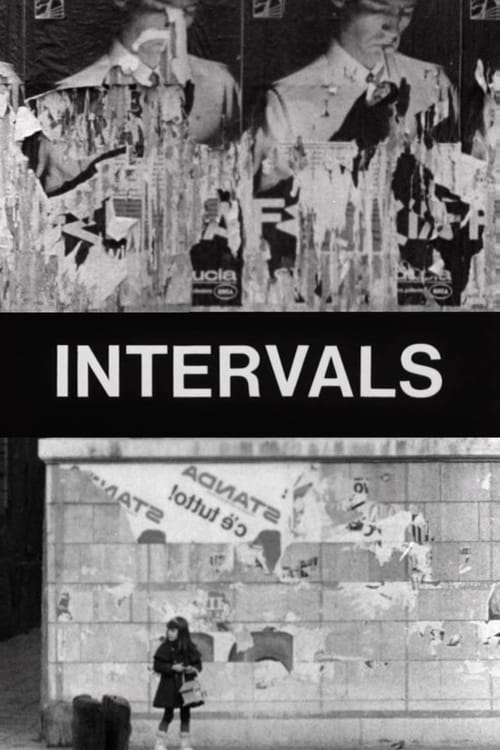
A short film which has its emphasis on back street walls with peeling posters and the constant pedestrian traffic in the foreground. It has a static camera positioned in front of the walls; experimental editing techniques, no dialogue-just background music, and quick edits of blackness throughout.
1969
1929

1969
1965
1964

1994
1977
1966
No reviews yet. Be the first to share your thoughts on this movie!
Use the rating form above to leave a star rating and optional review.