Intervals
1973
No user ratings available yet
Diversity score: 5.1 out of 10
1966
Director
Yoko Ono
Runtime
5 minutes
Average Rating
No ratings yetSynopsis
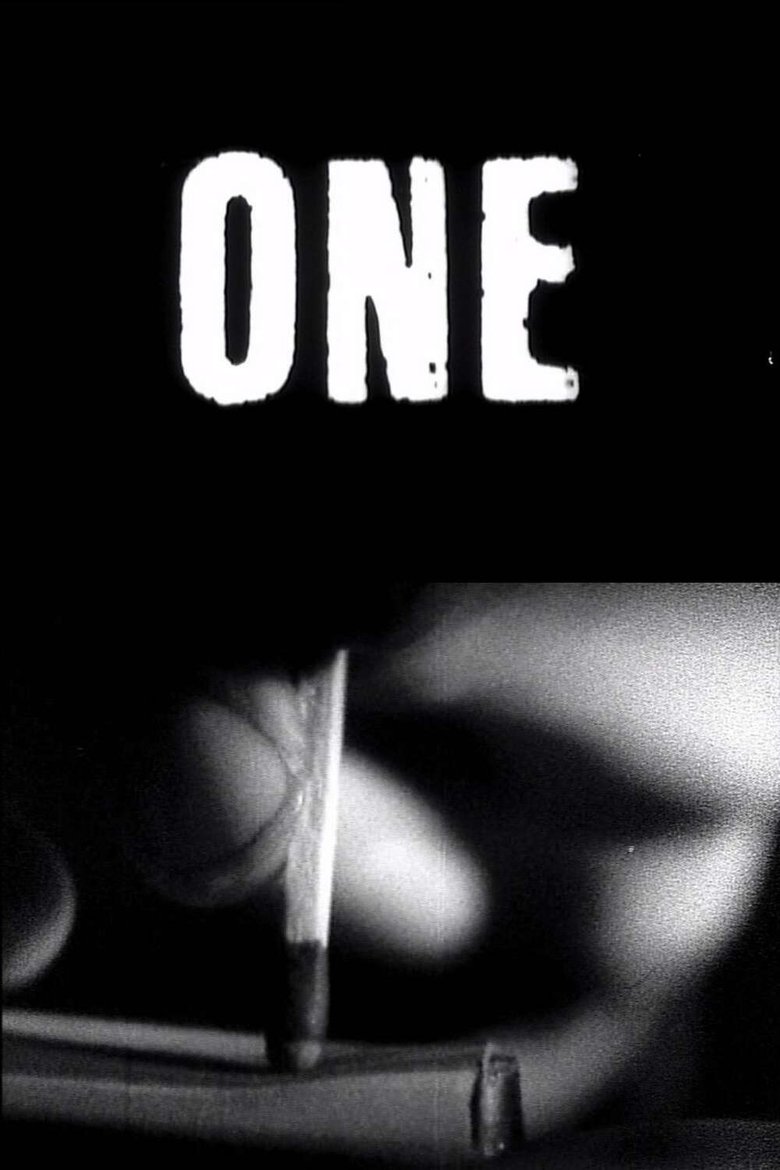
Collected as part of the Fluxfilm Anthology (a multi-reel compendium of 37 short films assembled by Fluxus founder and central operator George Maciunas), One captures the lifespan of a single match recorded at 2,000 frames per second using a 16mm high-speed camera. The frame rate is then decelerated to the standard 24fps for presentation. The film emphasizes each gesture, sway and flare of flame as the small pinewood carrier ignites across the landscape of the filmstrip and screen, signalling the drama and poetics of this ”minor” event before the fire is extinguished. One also stands as an unassuming beacon, immortalizing on film the essence of some of Ono’s early concerns as an artist. At the slightest touch of fire, they burst into flame. Strike everywhere. Strike often.
Overall Score
Fair
Category Breakdown
LGBTQ+ Representation
The film lacks any depiction of gender identity, sexual orientation, or interpersonal relationships. As a non-narrative study of a physical process, it remains neutral.
Gender Representation
While the film contains no human characters, Yoko Ono's directorial presence is significant. Her work disrupts mid-century expectations of female creators by prioritizing conceptual abstraction over patriarchal narrative structures.
Racial & Ethnic Diversity
The film is an abstract study of light and combustion, rendering it ethnically neutral. However, authorship by an East Asian artist contributes a subtle diversification to the cinematic gaze.
Religious & Cultural Diversity
The film aligns with the Fluxus ethos of challenging Western artistic institutions. It elevates a minor event to cinematic drama, promoting radical subjectivity and non-traditional value systems.
Disability Representation
There is no depiction of physical or neurodivergent disability within the frame. The focus remains strictly on the chemical and physical properties of the match.
Strengths
Areas for Improvement
AI Analysis
One is a minimalist disruption of traditional cinematic language. By focusing on the microscopic ignition of a match, it eschews human-centric drama in favor of a phenomenological study of time and elemental change. While the film does not engage in overt identity politics due to its non-human subject matter, its existence as conceptual art challenges the hegemony of traditional storytelling. It dismantles the hierarchy of what is considered 'important' in visual media. The work's impact is found in its subversion of mid-century norms, both through its non-traditional narrative architecture and the presence of a female avant-garde director.
1973

2012
1994
1968
2016
2006
1991
2006

2015
1957
1989
1963
No reviews yet. Be the first to share your thoughts on this movie!
Use the rating form above to leave a star rating and optional review.