
MARKS
1995
No user ratings available yet
Representation score: 4.8 out of 10
Representation Score
Fair
1960
Not RatedDirector
Seijun Suzuki
Runtime
79 minutes
Average Rating
No ratings yetNew Showbiz Analysis
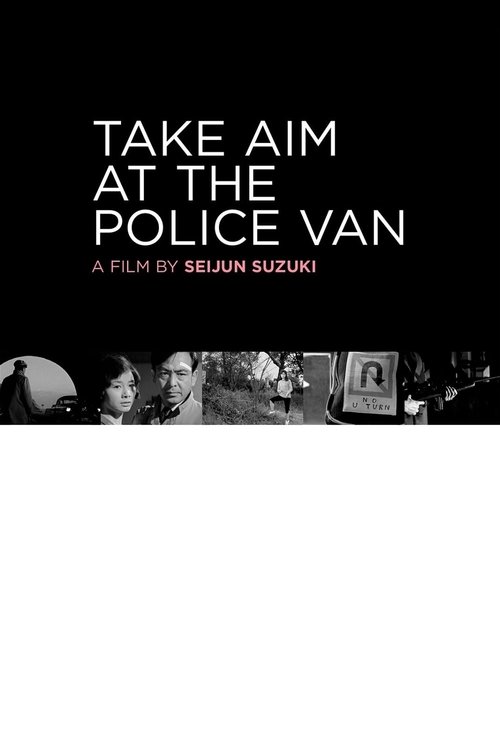
Seijun Suzuki’s early work emphasizes traditional genre mechanics rather than challenging social norms. Unlike his later avant-garde experiments, this thriller stays rooted in the conventions of 1960s Japan. The film operates within a culturally homogeneous context, focusing on the mystery and pursuit aspects. It does not aim to deconstruct traditional hierarchies or introduce diverse perspectives. Overall, the film stands as a classic example of mid-century crime cinema, prioritizing pursuit and institutional conflict over diverse representation.
Category Breakdown
The film does not include any LGBTQ+ identities or narratives. It follows traditional crime storytelling typical of mid-century Japanese cinema.
The story centers around male characters and traditional crime clichés. Female characters do not have significant roles or empowerment in the plot.
The cast is predominantly made up of actors representing the demographics of 1960s Japan. It does not blend different racial backgrounds like modern global cinema.
The storyline focuses on the tension between law enforcement and criminals. It maintains genre conflicts without highlighting specific religious or cultural critiques.
There are no characters with visible or invisible disabilities in the film. The narrative focuses solely on the action and pursuit elements of the crime.
Present on Screen
Limited or Absent
Official Synopsis
A sniper kills two prisoners in a police van, and the driver sets out to find the killer.
1995

1967
1964
1966
1958
1964

1996
1955
No reviews yet. Be the first to share your thoughts on this movie!
Use the rating form above to leave a star rating and optional review.