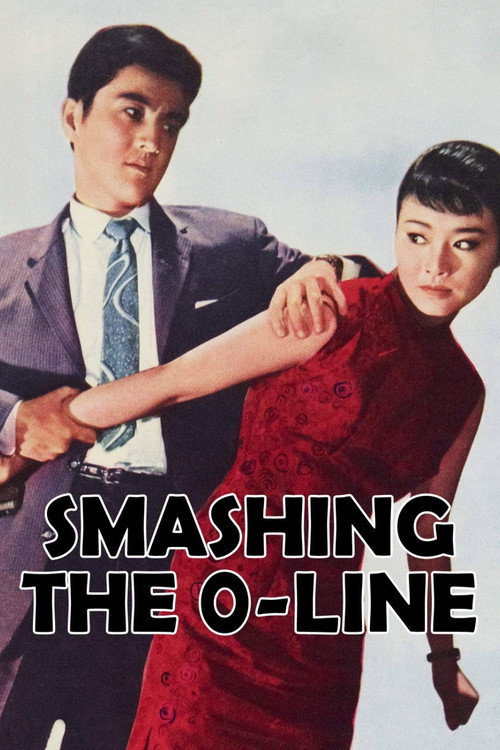
Smashing the 0-Line
1960
No user ratings available yet
Representation score: 5.9 out of 10
Representation Score
Fair
1960
Director
Seijun Suzuki
Runtime
71 minutes
Average Rating
No ratings yetNew Showbiz Analysis
Seijun Suzuki’s direction suggests a deliberate subversion of social hierarchies. The film uses a young rebel to challenge the stability of the nuclear family and established authority. The narrative effectively centers women's ability to drive the story, using women's relationships as the primary catalysts for the protagonist's worldview shifts. This provides a critique of traditional social norms. However, the film lacks explicit LGBTQ+ representation and specific details regarding racial diversity. The focus remains largely on the friction between individual ability to act and existing social institutions.
Category Breakdown
The film centers on the relationship between a mother, her lover, and a romantic interest. It does not include any explicit LGBTQ+ identities or same-sex intimacy.
Female characters play a crucial role in driving the central conflict through their romantic and professional relationships. They challenge traditional patriarchal control over domestic life and social mobility.
Set in 1960s Japan, the film explores the underrepresented side of society. However, the cast does not seem to include diverse backgrounds.
The narrative challenges conservative social structures by emphasizing subjective morality. It portrays traditional institutions like family and commerce as potential sites of corruption and conflict.
The story does not mention any characters with visible or invisible disabilities.
Present on Screen
Limited or Absent
Official Synopsis
Everything goes wrong when Jiro tries to break up his mother's relationship with a business man. The young rebel Jiro has to deal with an environment of crime and prostitution, and the impact of its choices on personal relationships: one with his mother, one with her business man lover and one with the girl in love with him.
1960

1970

1960

1964

1978

1969

1960
1964
No reviews yet. Be the first to share your thoughts on this movie!
Use the rating form above to leave a star rating and optional review.