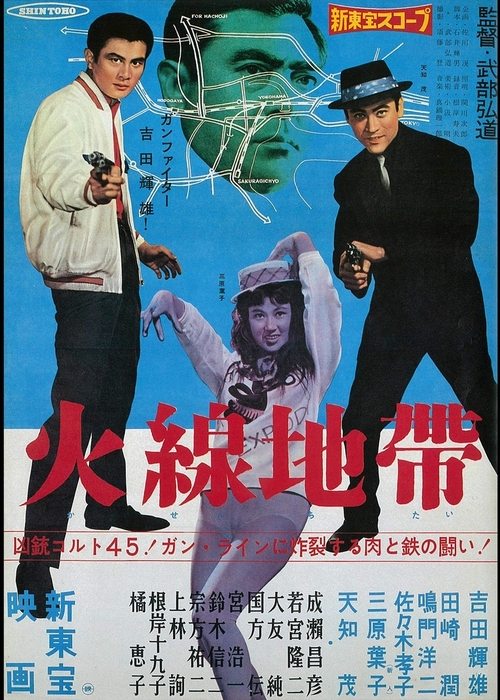
Fire Line
1961
No user ratings available yet
Representation score: 3.8 out of 10
Representation Score
Fair
1963
Director
Seijun Suzuki
Runtime
93 minutes
Average Rating
No ratings yetNew Showbiz Analysis
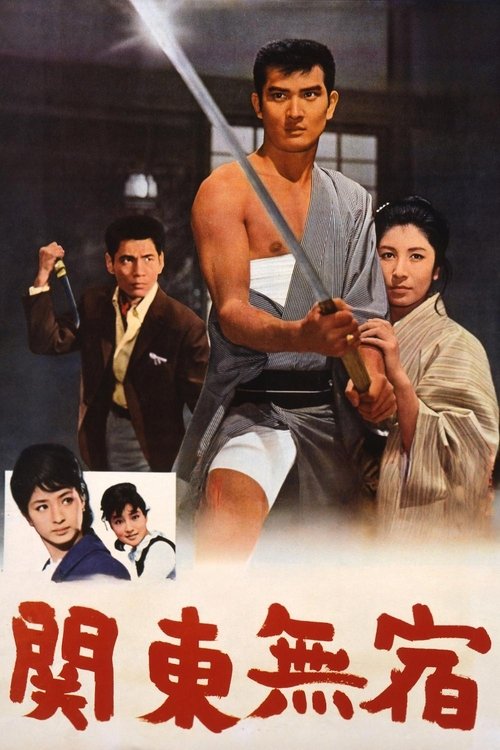
Kanto Wanderer is a crime drama that challenges traditional social hierarchies and masculine codes. Its narrative structure questions the stability of rigid social orders and traditional gang hierarchies, favoring subjective morality.
Category Breakdown
The film focuses on heterosexual relationships and traditional pairings. It does not feature any visible LGBTQ+ characters or critique the assumption that everyone is straight or cisgender.
Female characters like Diamond Fuyu have distinct roles and move beyond submissive stereotypes. However, the portrayal of Hanako highlights persistent gender-based vulnerabilities.
The film maintains a culturally homogeneous Japanese setting. It lacks a diverse cast and does not explore globalized cultural dynamics.
The story critiques traditional Japanese social order by depicting the yakuza code as superficial. It emphasizes situational ethics over rigid moral codes.
The provided material contains no information regarding the portrayal of physical or neurodivergent disabilities.
Present on Screen
Limited or Absent
Official Synopsis
Handsome young Katsuta tries to follow the yakuza code, but even his boss doesn't believe in it. Diamond Fuyu is less ethical, and allows the idiotic Tetsu to trick a schoolgirl he fancies, Hanako, into a type of bonded prostitution. Because of gang conflict, the Izu family (to whom Katsuta belongs) has their last gambling den taken over, and he seeks revenge. This brings him back into contact with a former lover who is also a card trickster - she is also Diamond Fuyu's sister, and is now married to Okaru-Hachi, who has mastered a clever card cheating trick called Okaru, which involves the deft use of mirrors.
1961

1964

1975

1979

1964

1950
1965

1969
No reviews yet. Be the first to share your thoughts on this movie!
Use the rating form above to leave a star rating and optional review.