The Rising of the Moon
1957
No user ratings available yet
Representation score: 2.3 out of 10
Representation Score
Fair
1951
NRDirector
Clarence Brown, Don Hartman, John Sturges, Richard Thorpe, Charles Vidor, Don Weis, William A. Wellman
Runtime
89 minutes
Average Rating
No ratings yetNew Showbiz Analysis
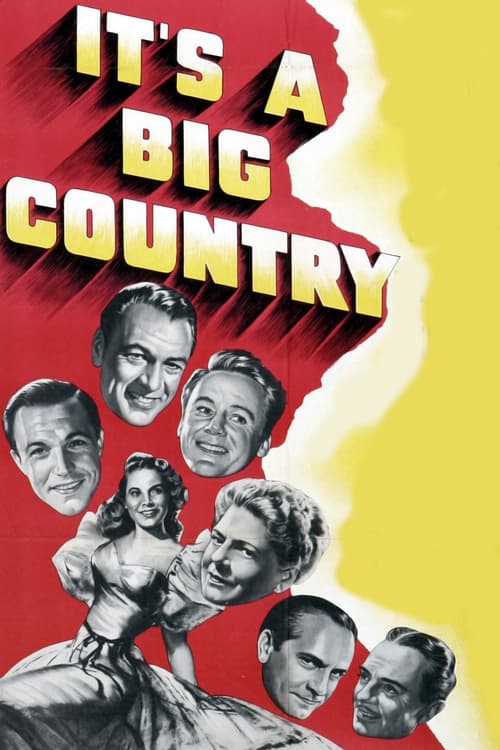
This anthology film serves as a bridge between traditional and modern cinema. While it upholds many conventional social structures, it also presents diverse segments that offer glimpses of different communities. The inclusion of African American achievements stands out as a notable strength, providing a richer perspective compared to more uniform films of the era. However, the film lacks representation of LGBTQ+ individuals and disabilities, and its portrayal of women is confined to traditional roles of the time.
Category Breakdown
The film does not include any LGBTQ+ characters or stories that challenge traditional views on sexuality. It follows the typical norms of the time, focusing on heterosexual relationships.
One part of the film highlights a woman contesting her exclusion from the census, showing her involvement in civic matters. However, her role remains within the traditional gender roles of the mid-20th century.
The film includes a segment dedicated to the achievements of African Americans, providing a deeper look at their contributions rather than just being tokens. This adds significant value to the film’s racial representation.
The movie uses a university lecture as a frame, presenting a secular academic viewpoint. It also includes satirical elements, such as a humorous tribute to Texas, which offers a nuanced view of American identity.
There is no indication of any characters with physical or cognitive disabilities in the film.
Present on Screen
Limited or Absent
Official Synopsis
Comprised of eight unrelated episodes of inconsistent quality, this anthology piece of American propaganda features some of MGM Studios' best directors, screenwriters and actors; it is narrated by Louis Calhern. Stories are framed by the lecture of a university professor. In one tale a Boston resident becomes angry when the census forgets to record her presence. Another sketch chronicles the achievements of African Americans while still another pays tongue-in-cheek tribute to Texas.
1957

1976
1953

1964
1950
1944
1952
1954
No reviews yet. Be the first to share your thoughts on this movie!
Use the rating form above to leave a star rating and optional review.