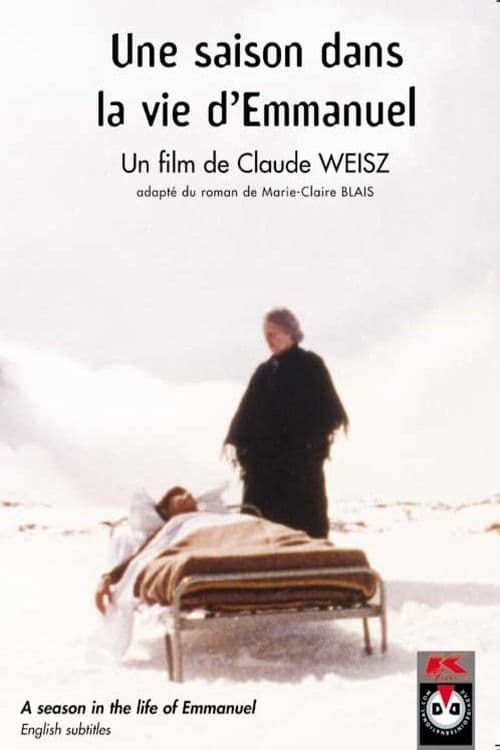
Une saison dans la vie d'Emmanuel
1973
No user ratings available yet
Representation score: 1.9 out of 10

Representation Score
Fair
1976
PGDirector
François Truffaut
Runtime
104 minutes
Average Rating
No ratings yetNew Showbiz Analysis
Small Change is a deeply personal, character-driven study of Antoine Doinel's transition from adolescence to adulthood. It prioritizes the nuances of the human condition and internal evolution over systemic or demographic representation. The film uses a vignette-based structure to explore subjective experiences and memories. While this approach offers a sophisticated view of maturation, the narrative remains rooted in a traditional social context. Ultimately, the work lacks intentional multi-layered casting and diverse identity-driven ability to act. It functions as a quintessential example of mid-century European auteur cinema, focusing on individual psychological development within a homogeneous setting.
Category Breakdown
There are no queer narratives or non-cisgender identities in the main character arcs. The story focuses almost entirely on the protagonist's interest in women.
Women are primarily portrayed through the subjective perspective of the protagonist. The film explores intimacy but does not give women a significant role in driving the story or challenge traditional gender roles.
The film features a predominantly white, French cast in a homogeneous social environment. It does not intentionally include ethnic diversity.
The story operates through moral relativism and a 'slice of life' approach. Traditional authority figures like teachers and parents are not prominently featured.
Disability is presented as a socio-economic issue rather than a primary identity. Themes of physical vulnerability and poverty are shown through the protagonist's friend.
Present on Screen
Limited or Absent
Official Synopsis
The lives of a motherless young man, who's just starting to find interest in women, and his physically abused, poverty stricken friend, are mixed with more or less innocent childhood experiences and challenges most their age experience.
1973

1967

1965

1970

1973

1979
1987

1990
No reviews yet. Be the first to share your thoughts on this movie!
Use the rating form above to leave a star rating and optional review.