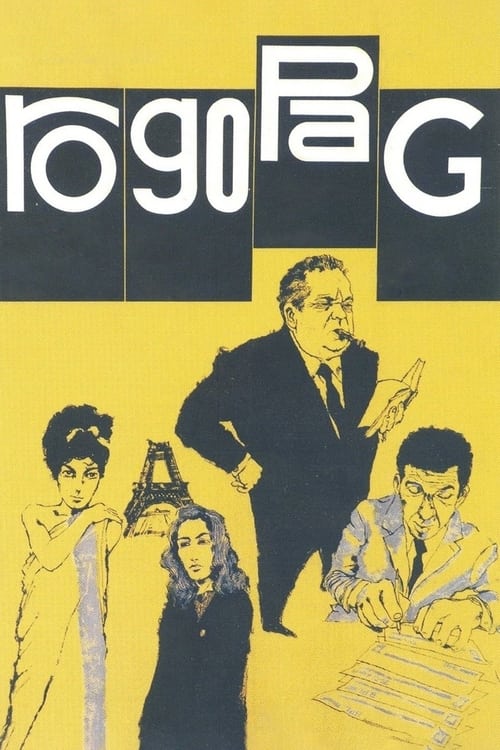
Ro.Go.Pa.G.
1963
No user ratings available yet
Representation score: 7.8 out of 10
Representation Score
Good
1971
Not RatedDirector
Frederick Wiseman, Karpo Aćimović Godina, Paul Morrissey, Mladomir 'Puriša' Đorđević, Dušan Makavejev, Buck Henry, Miloš Forman, Tinto Brass
Runtime
16 minutes
Average Rating
No ratings yetNew Showbiz Analysis
This experimental collage succeeds by breaking down the idea of a single director. By using a collective of international directors, the film challenges traditional cinematic hierarchies and embraces a postmodern, multi-perspective approach. Its strength lies in its narrative structure, which favors fragmented, subjective experiences over standard moralities or cohesive plots. While the film lacks deep character development, its creative background suggests an intention to subvert cultural norms and explore rebellious themes.
Category Breakdown
The film doesn't have continuous LGBTQ storylines due to its fragmented structure. However, the involvement of directors like Paul Morrissey hints at a rebellious approach to sexuality.
The avant-garde sketches break down traditional male-dominated structures and the typical hero's journey. The creative team often deconstructs gender roles using provocative, non-traditional methods.
Diversity is seen in the cross-cultural collaboration between Western and Eastern European filmmakers. The project serves as a meta-commentary on internationalism rather than through specific casting choices.
The Dadaist collage rejects traditional Western storytelling clichés and focuses on subjective experience and intellectual rebellion. It prioritizes individual viewpoints over cohesive, institutionalized media.
There is no clear indication of the portrayal of physical or neurodivergent disabilities within the available sketches.
Present on Screen
Limited or Absent
Official Synopsis
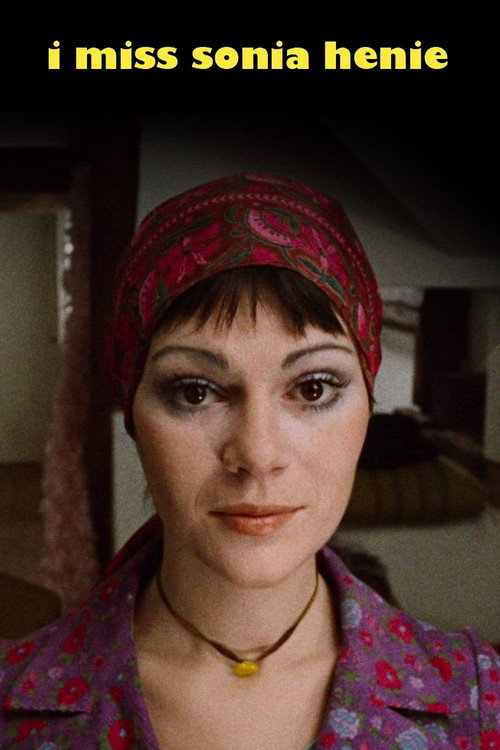
One camera in one setting, one attic and eight young directors – the result is a unique Dadaistic collage of seven short sketches. The original task for each filmmaker was to keep each short under three minutes, to set it in one hotel room, and to include the sentence “I miss Sonja Henie." This experimental film was shot over a single night at the international film festival FEST in Beograd in 1971.
1963
2007
1965

2007
2001
1977
1983
1996
No reviews yet. Be the first to share your thoughts on this movie!
Use the rating form above to leave a star rating and optional review.