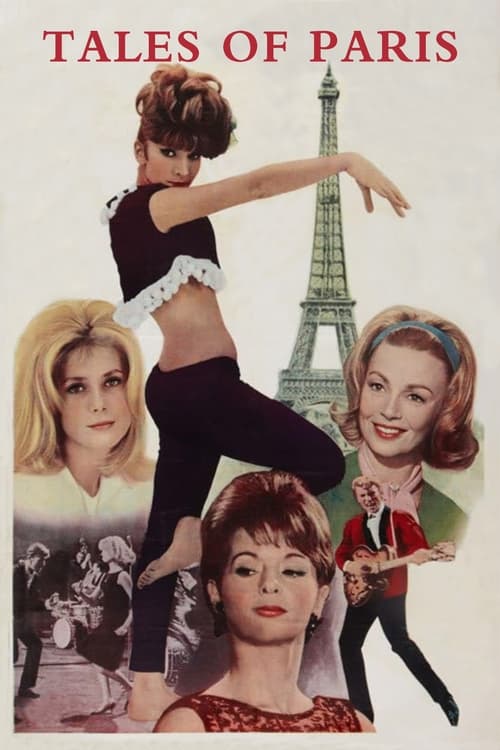
Tales of Paris
1962
No user ratings available yet
Representation score: 3.7 out of 10
Representation Score
Limited
1965
Director
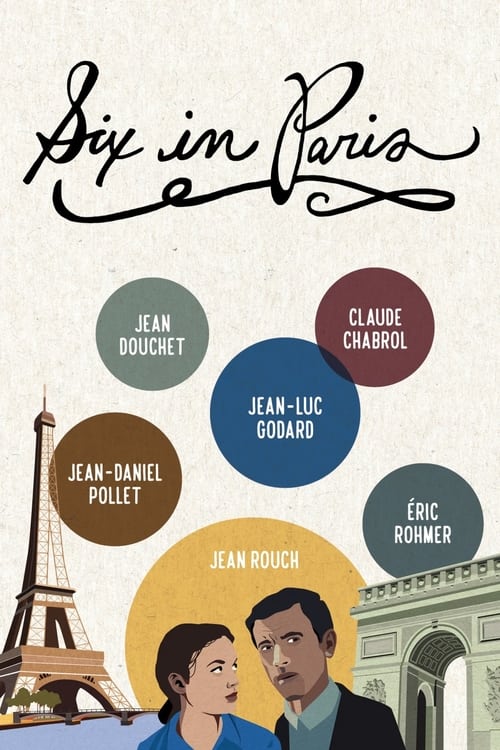
Éric Rohmer, Jean-Daniel Pollet, Jean Rouch, Jean-Luc Godard, Jean Douchet, Claude Chabrol
Runtime
95 minutes
Average Rating
No ratings yetNew Showbiz Analysis
This anthology film prioritizes the aesthetic of the 'flâneur' over social commentary. By focusing on the detached observation of Parisian life, the directors favor atmosphere and stylistic experimentation over character-driven diversity. The work remains a product of its era, presenting a demographically homogeneous view of mid-century France. It captures the minutiae of specific neighborhoods without addressing systemic hierarchies or multiculturalism. Ultimately, the film serves as a celebration of Western urbanity. It lacks the intentional subversion or layered representation required to challenge the social norms of the 1960s.
Category Breakdown
The vignettes focus on traditional romantic interactions and courtship. There is no representation of LGBTQ narratives or non-binary gender identities.
Women are often depicted through romantic or sexual negotiations. While the film avoids idealized Hollywood femininity, the male perspective remains a dominant structural element.
The cast is predominantly white and European, reflecting the mid-1960s French context. The film presents a homogeneous depiction of Parisian middle and bohemian classes.
The film is rooted in secular, Western urbanity and avoids religious morality. It functions as a neutral observer of Western institutions without critique.
There is no representation of characters with visible or invisible disabilities. Characters are portrayed as able-bodied participants within the urban environment.
Present on Screen
Limited or Absent
Official Synopsis
Six vignettes set in different sections of Paris, by six directors. St. Germain des Pres (Douchet), Gare du Nord (Rouch), Rue St. Denis (Pollet), and Montparnasse et Levallois (Godard) are stories of love, flirtation and prostitution; Place d'Etoile (Rohmer) concerns a haberdasher and his umbrella; and La Muette (Chabrol), a bourgeois family and earplugs.
1962
1967
1963
1976
1960

1963

1967
2005
No reviews yet. Be the first to share your thoughts on this movie!
Use the rating form above to leave a star rating and optional review.