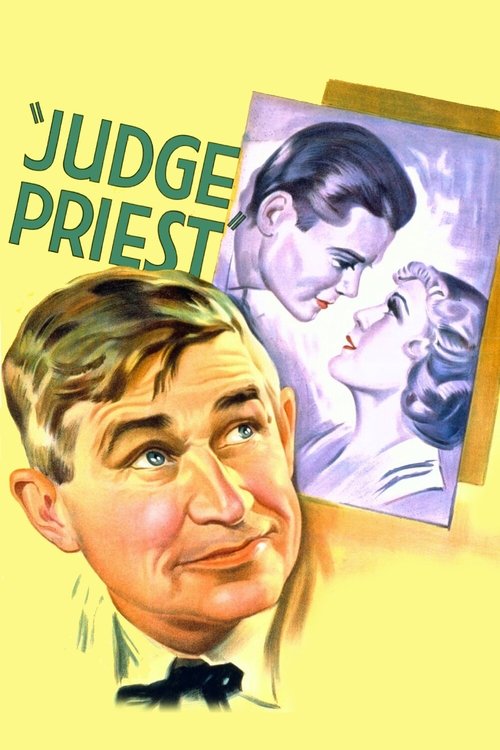
Judge Priest
1934
No user ratings available yet
Representation score: 0.7 out of 10
Representation Score
Minimal
1953
NRDirector
John Ford
Runtime
102 minutes
Average Rating
No ratings yetNew Showbiz Analysis
The film upholds the social hierarchies of mid-20th-century society. While it addresses racial violence, it does so within a framework that reinforces traditional authority rather than challenging it. Representation leans towards established power structures, with men holding key leadership roles and a cultural emphasis on preserving the status quo and communal stability. Ultimately, the film reflects the era’s social architecture, prioritizing the restoration of order over any significant subversion of cultural norms.
Category Breakdown
The film does not depict any non-binary or LGBTQ+ identities or same-sex relationships. The social structure remains focused on heterosexual relationships throughout the story.
Male characters hold positions of political and judicial power, while female characters play central roles in emotional subplots but are confined to traditional domestic duties.
The story tackles racial tensions by preventing a lynching. However, the Black character's role is limited by his reliance on white authority figures for support.
The narrative highlights the importance of community and judicial systems. It portrays religious and communal frameworks as crucial for maintaining social order and cohesion.
There are no characters with visible or invisible disabilities that serve as central narrative drivers or plot devices.
Present on Screen
Limited or Absent
Official Synopsis
With the election approaching, a judge in a Southern town at the turn of the 20th century is involved variously in revealing the real identity of a young woman, reliving his Civil War memories, and preventing the lynching of an African youth.
1934
1942

1941
1915

1959
1960
1935

1939
No reviews yet. Be the first to share your thoughts on this movie!
Use the rating form above to leave a star rating and optional review.