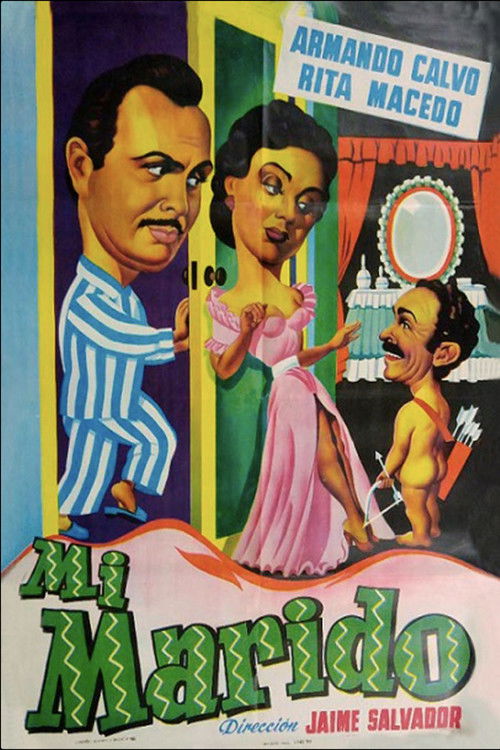
Mi marido
1951
No user ratings available yet
Representation score: 3.4 out of 10
Representation Score
Limited
1950
Director
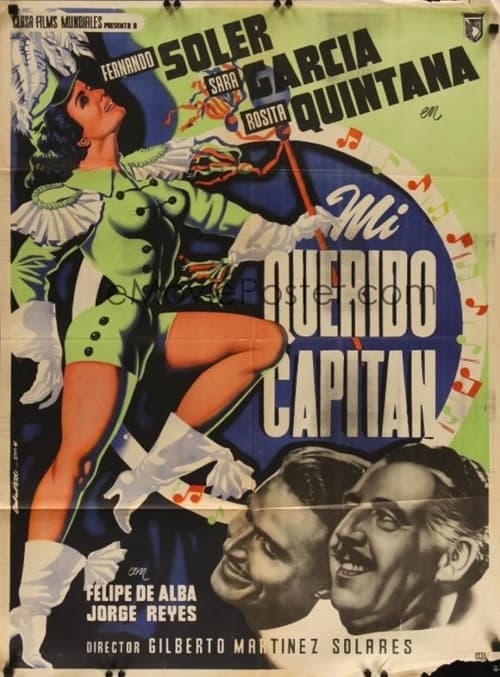
Gilberto Martínez Solares
Runtime
76 minutes
Average Rating
No ratings yetNew Showbiz Analysis
Produced during the Golden Age of Mexican cinema, *Mi querido capitán* serves as a reflection of 1950s social norms. The film adheres to the era's established studio systems, emphasizing traditional hierarchies and conservative moral frameworks. The narrative focuses on conventional family values and social respectability. It does not aim to challenge institutional authority, religion, or gender roles. Instead, it maintains the status quo. Overall, the film presents a homogeneous cultural landscape. It reinforces the existing order rather than offering a multicultural or layered perspective.
Category Breakdown
The film probably supports traditional gender and sexual categories. It is unlikely to include non-conforming gender identities or challenge the assumption that everyone is straight or cisgender.
Women likely play roles centered around home life or romance, while men hold positions of power. The film does not seem to challenge traditional gender roles or show masculinity as ineffective.
Being a Mexican production, the cast is naturally diverse in ethnicity. However, the film likely depicts a uniform social class structure rather than a multifaceted view of society.
The story likely follows traditional Western and Catholic moral guidelines. It emphasizes conventional social respectability and portrays families positively.
Disability is probably used to create dramatic or emotional moments. The film does not seem to give characters with disabilities significant control over their lives.
Present on Screen
Limited or Absent
1951
1948

1957
1948
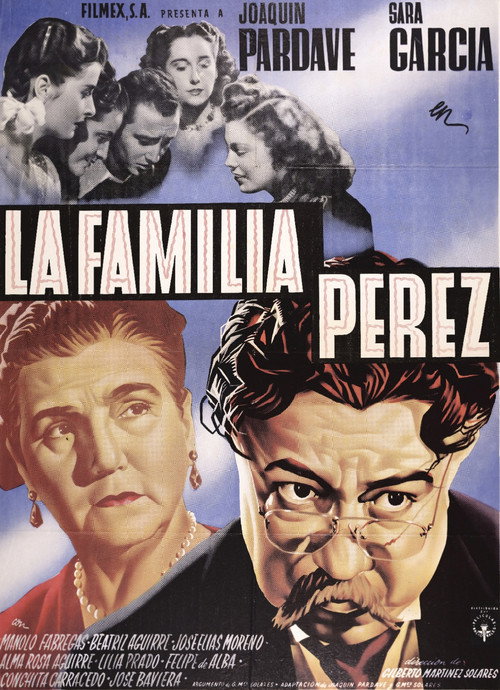
1949
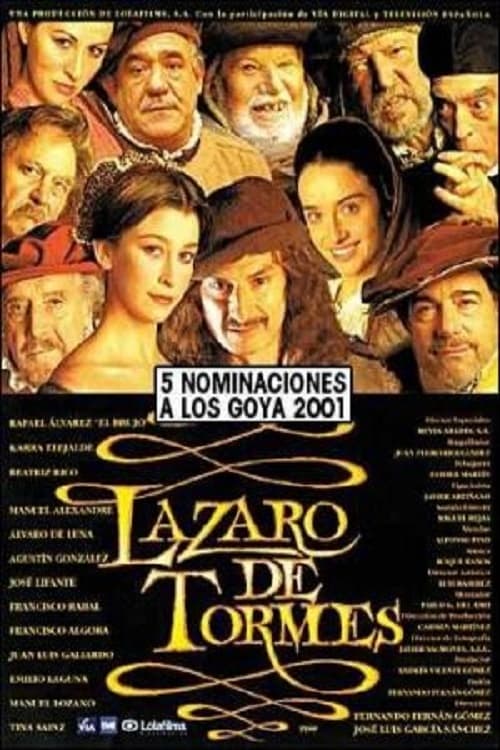
2001
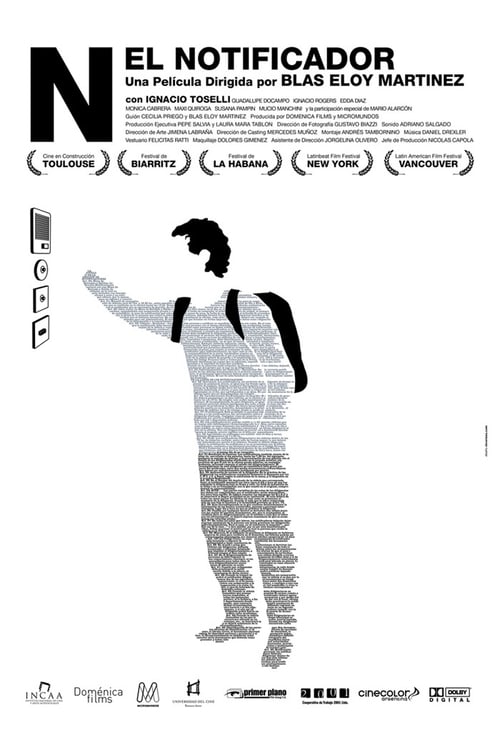
2012
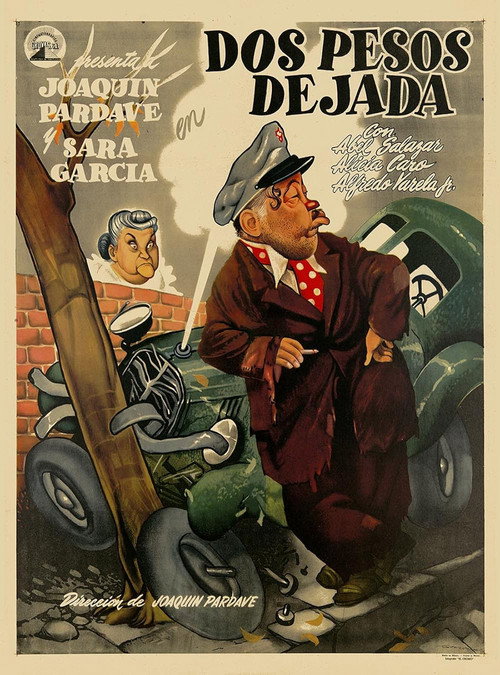
1949
No reviews yet. Be the first to share your thoughts on this movie!
Use the rating form above to leave a star rating and optional review.