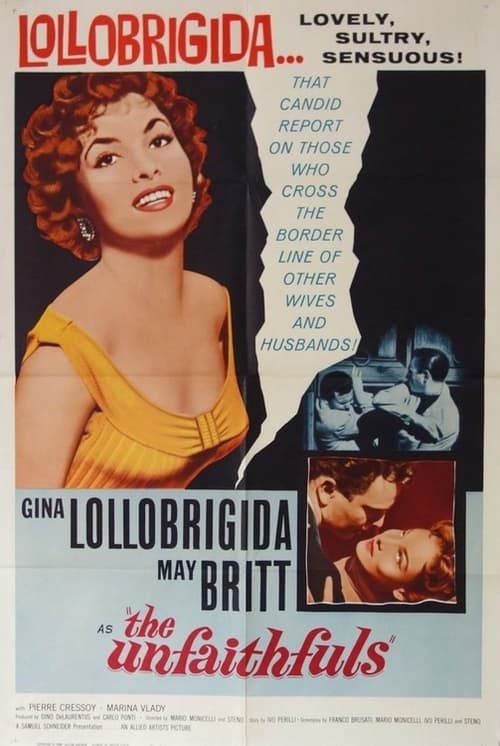
The Unfaithfuls
1953
No user ratings available yet
Diversity score: 3.1 out of 10
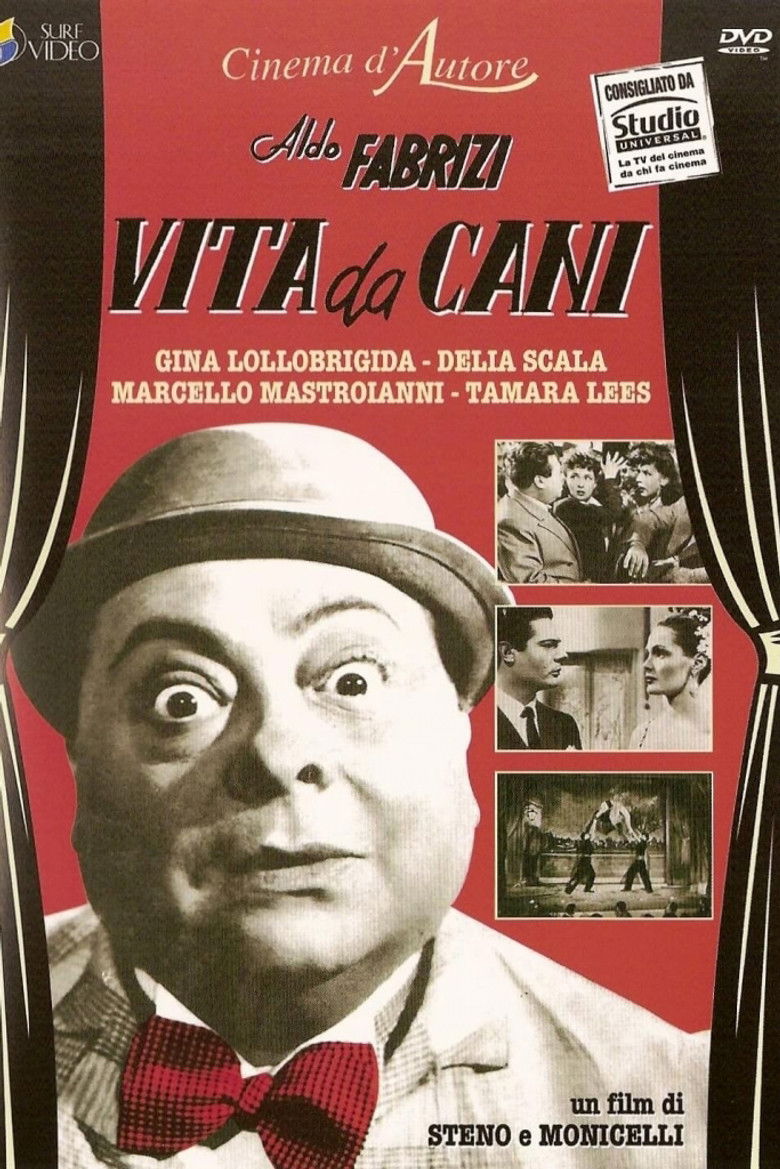
1950
Director
Mario Monicelli, Steno
Runtime
106 minutes
Average Rating
No ratings yetSynopsis
Tragicomedy telling of the trials and tribulations of a troupe of variety show artists.
Overall Score
Limited
Category Breakdown
LGBTQ+ Representation
The film focuses entirely on the socioeconomic struggles of a male-dominated troupe. No non-cisnormative identities or same-sex intimacy are depicted.
Gender Representation
The narrative centers on the male experience of labor and unemployment. Female characters occupy secondary roles and lack the agency to drive the central plot.
Racial & Ethnic Diversity
Set in post-WWII Rome, the film depicts a homogeneous Italian working-class population. It maintains a traditional Eurocentric focus without diverse ethnic landscapes.
Religious & Cultural Diversity
The film offers a sophisticated critique of post-war economic structures. It frames survival tactics as necessary responses to systemic poverty and institutional indifference.
Disability Representation
There is no evidence of characters with visible or invisible disabilities being integrated as agents of their own stories.
Strengths
Areas for Improvement
AI Analysis
A Dog’s Life functions as a quintessential Neorealist study of class rather than identity. It prioritizes the systemic pressures of post-war Italy over modern metrics of representation. The film excels in its empathetic framing of the disenfranchised. By deconstructing traditional morality, it portrays the working class as victims of an indifferent economic system. However, the work remains limited by the social hierarchies of its era. It lacks diversity in gender, race, and LGBTQ+ identities, focusing almost exclusively on a homogeneous male experience.
1953
1954
1953
1948
2012
1993
1966
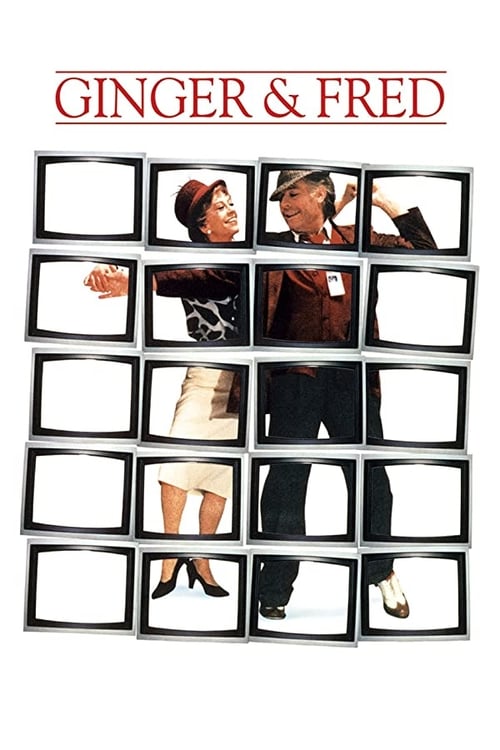
1986
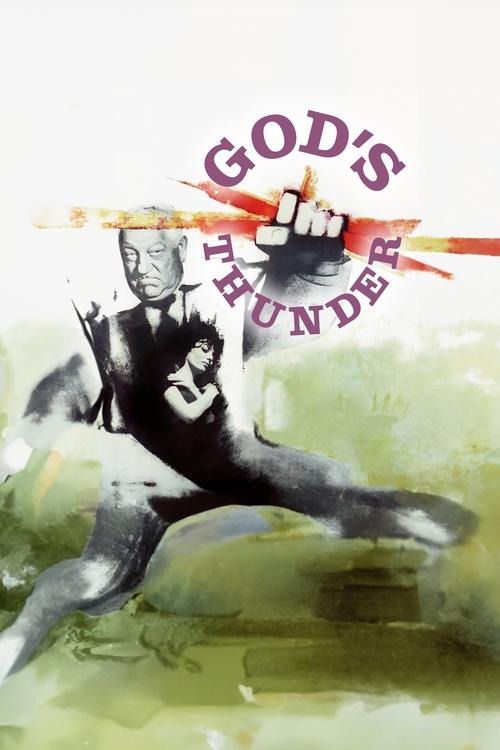
1965
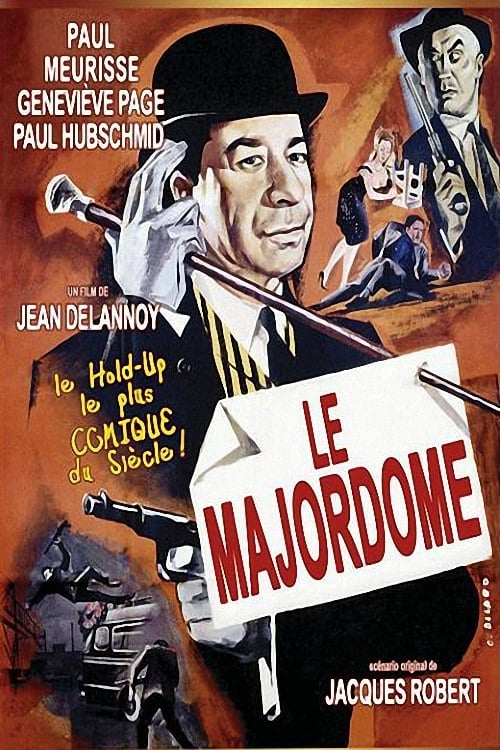
1965
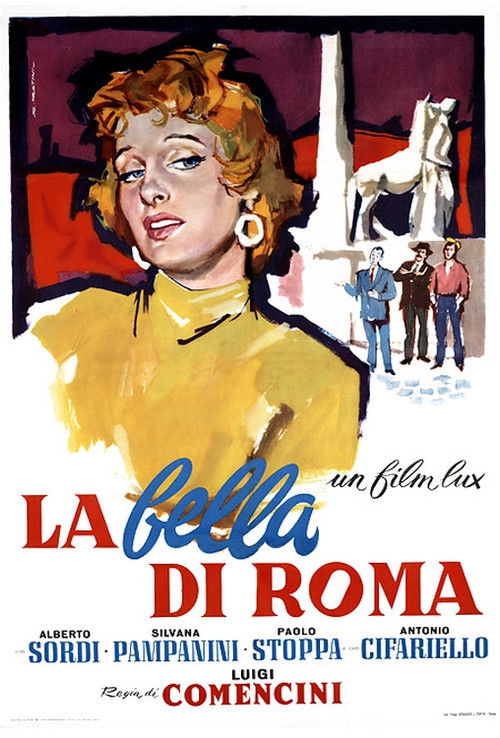
1955
1959
No reviews yet. Be the first to share your thoughts on this movie!
Use the rating form above to leave a star rating and optional review.