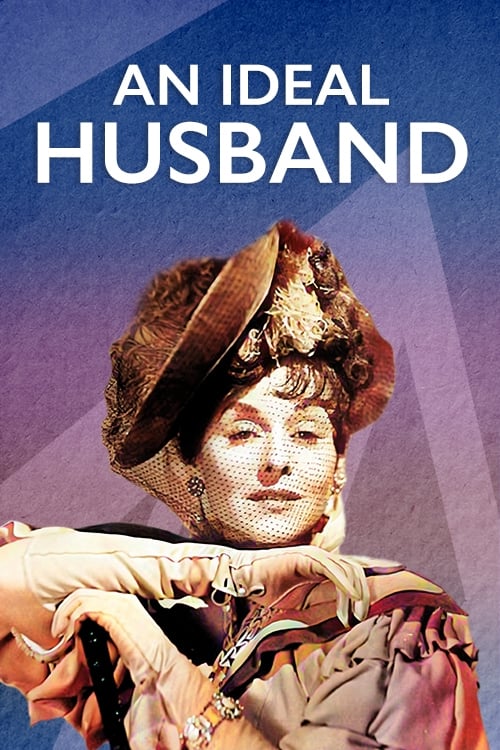
An Ideal Husband
1947
No user ratings available yet
Representation score: 1.8 out of 10
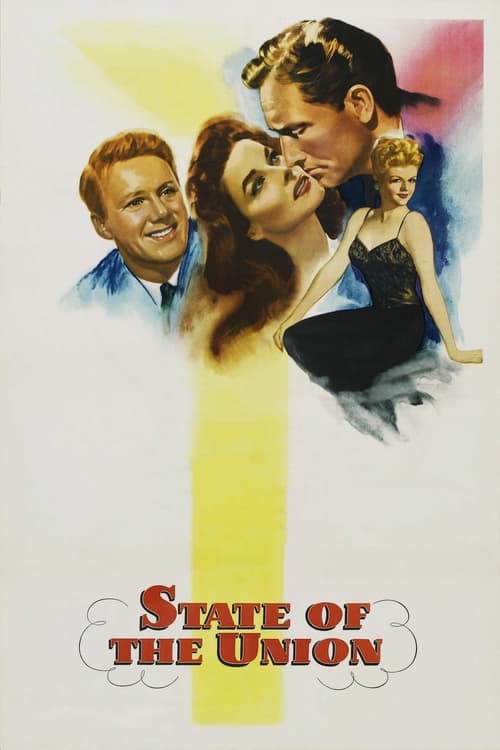
Representation Score
Minimal
1948
NRDirector
Frank Capra
Runtime
124 minutes
Average Rating
No ratings yetNew Showbiz Analysis
Frank Capra’s film is a period-specific study of political idealism and individual morality. It focuses on the tension between personal integrity and the corruptive nature of concentrated capital within the U.S. Senate. While the film offers a sophisticated critique of systemic corruption, it does so through a highly traditionalist lens. The narrative structure reinforces mid-century social cohesion and democratic structures rather than challenging existing social hierarchies. Ultimately, the work reflects the institutionalism of its era. It prioritizes the defense of democratic processes over the inclusion of diverse social identities, resulting in a narrow representation of the American experience.
Category Breakdown
The film adheres to a strict assumption that everyone is straight or cisgender. There are no depictions of non-binary gender identities or narratives that challenge the sexual politics of the 1940s.
Political maneuvering is portrayed as an exclusively male domain. Female characters are shown to have strong emotional intelligence but are mostly confined to domestic or supportive roles within traditional hierarchies.
The cast is overwhelmingly homogeneous, reflecting the systemic constraints of 1948 Hollywood. The narrative lacks racial or ethnic diversity and does not engage with the era's racial dynamics.
The story critiques the corruptive influence of lobbying and political machines. However, it seeks to preserve and purify democratic institutions rather than dismantle them.
There are no prominent depictions of physical or neurodivergent disabilities. Characters are presented through a lens of standard physical ability without exploring lived experiences of disability.
Present on Screen
Limited or Absent
Official Synopsis
An industrialist is urged to run for President, but this requires uncomfortable compromises on both political and marital levels.
1947
1933
1952
1942
1951
1950
1959
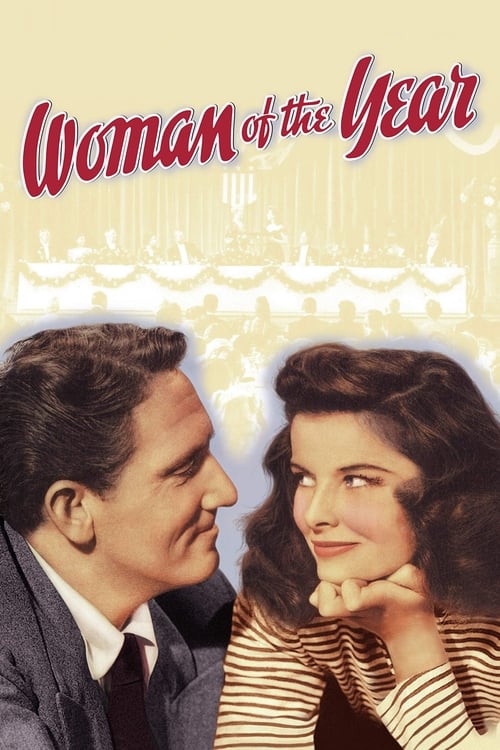
1942
No reviews yet. Be the first to share your thoughts on this movie!
Use the rating form above to leave a star rating and optional review.