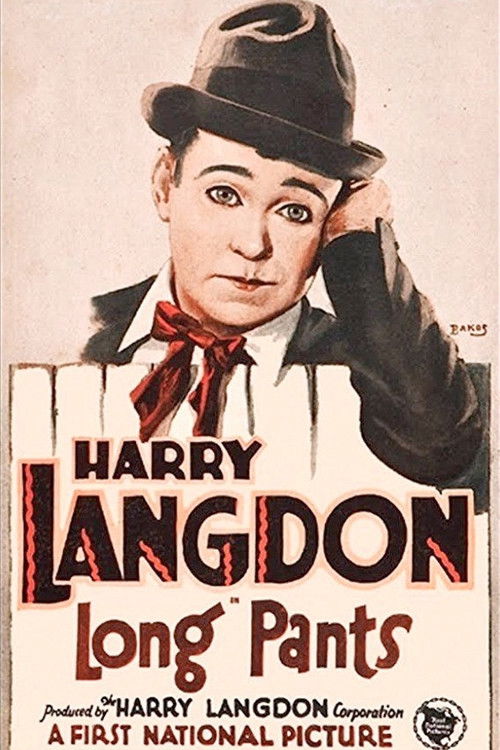
Long Pants
1927
No user ratings available yet
Diversity score: 1.8 out of 10
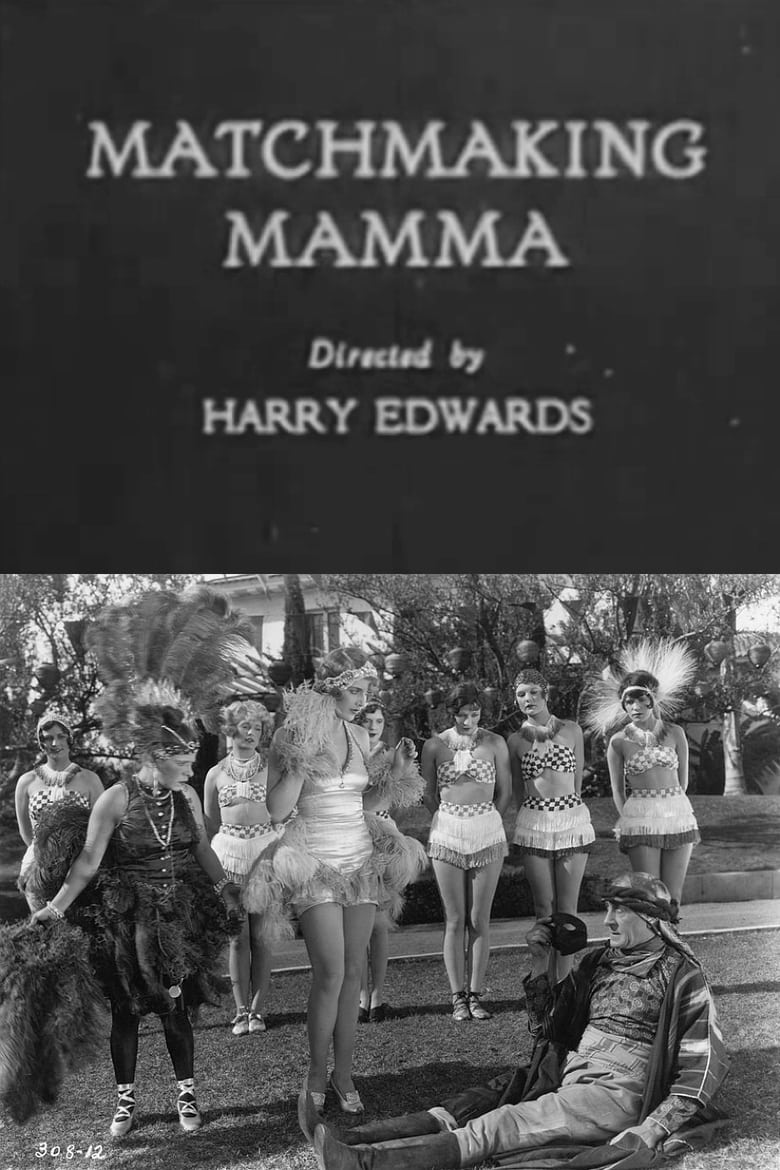
1929
Director
Harry Edwards
Runtime
23 minutes
Average Rating
No ratings yetSynopsis
This marriage is the second for both Mr. & Mrs. Cornelius McNitt. He is panty-whipped by his social climbing second wife. She has recruited Clifford Figfield to stage and direct a charity pageant, which is more a means for her to hobnob with the social elite, and to nab Larry Lodge, the pageant's leading man, as a husband for her flighty daughter Phyllis, the pageant's leading lady. Larry ends up only having eyes for Sally McNitt, Mr. McNitt's visiting daughter, and she, in turn has eyes for him.
Overall Score
Minimal
Category Breakdown
LGBTQ+ Representation
The film focuses entirely on heteronormative romantic pursuits. There is no evidence of non-cisnormative identities or any critique of traditional heterosexuality.
Gender Representation
Gender dynamics follow 1920s conventions, portraying women through their social ambitions and romantic availability. While the husband is comedically subverted as 'panty-whipped,' it remains within a traditional domestic hierarchy.
Racial & Ethnic Diversity
The narrative centers on the social elite, which reflects a homogeneous white social structure. There is no mention of racial diversity or non-Anglo-Saxon casting.
Religious & Cultural Diversity
The story reinforces Western social institutions like marriage and class status. It prioritizes the preservation of established class hierarchies through charity pageants and social climbing.
Disability Representation
The narrative framework provides no indication of characters with visible or invisible disabilities.
Strengths
Areas for Improvement
AI Analysis
Matchmaking Mamma is a conventional comedy of manners that prioritizes social stratification and romantic entanglement. The plot functions as a standard domestic farce, focusing on the pursuit of status through marriage and the maintenance of class hierarchies. The film lacks intersectional perspectives, offering a narrow view of the social elite. It adheres strictly to the era's prevailing social order, providing little room for diverse identities or systemic critique. Ultimately, the film serves as a snapshot of 1929 social norms, emphasizing traditional family units and the rigid structures of the upper class.
1927
1947
1922
1935

1924
1937
1940
1935
1921

1937
1933
1936
No reviews yet. Be the first to share your thoughts on this movie!
Use the rating form above to leave a star rating and optional review.