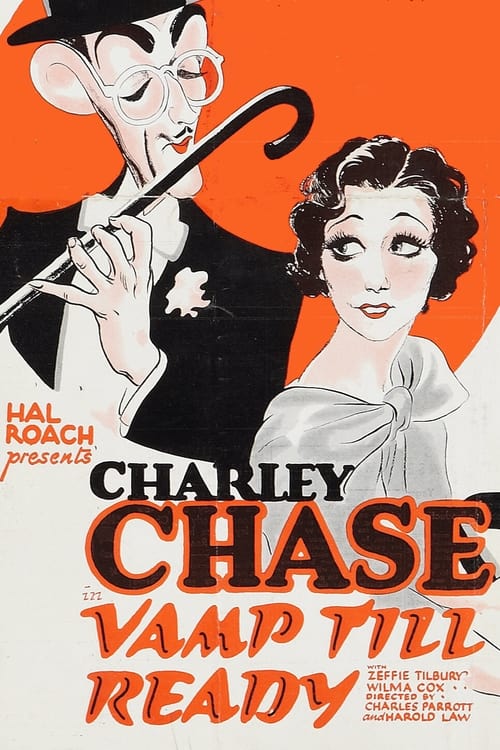
Vamp Till Ready
1936
No user ratings available yet
Representation score: 2.0 out of 10
Representation Score
Minimal
1935
ApprovedDirector
Charley Chase
Runtime
20 minutes
Average Rating
No ratings yetNew Showbiz Analysis
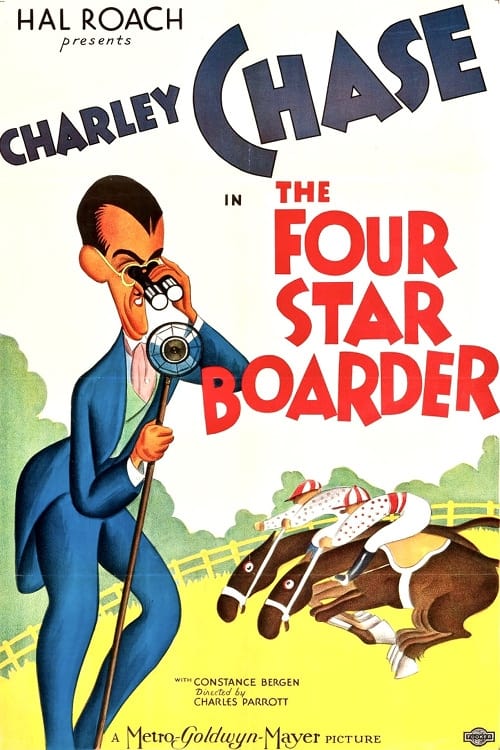
The Four Star Boarder is a classic 1930s slapstick comedy that focuses on situational humor rather than social commentary. Its structure emphasizes the preservation of traditional social orders, particularly concerning marriage, class, and social etiquette. Since the film does not aim to challenge systemic hierarchies or include diverse identities, it remains a product of its time, reinforcing the social order of the mid-20th century. It relies on traditional domestic deception and physical comedy to maintain its comedic effect.
Category Breakdown
The film does not include any non-straight relationships or identities. The main conflict revolves around conventional romantic relationships involving a husband, wife, and a former lover.
Women play key roles in maintaining the deception to uphold social norms, while the male character struggles to maintain order, reflecting traditional anxieties about domestic stability.
The cast is homogeneous, reflecting the social environment of 1930s domestic comedies. There is no indication of diverse casting or perspectives outside Anglo-Saxon backgrounds.
The story upholds socioeconomic hierarchies and the importance of proper social behavior. Humor comes from breaking social norms rather than questioning moral values.
There are no characters with visible or invisible disabilities. The film does not use disability as a narrative device or for comedic purposes.
Present on Screen
Limited or Absent
Official Synopsis
In an effort to appease his wife's wealthy aunt (Grace Goodall), newly-wed Charley must masquerade as a boarder in his own home while his wife (Constance Bergen) pretends to be married to an old beau (T. Roy Barnes).
1936
1926
1940

1933
1937

1938
1942
1930
No reviews yet. Be the first to share your thoughts on this movie!
Use the rating form above to leave a star rating and optional review.