Unrelated Relations
1936
No user ratings available yet
Diversity score: 2.2 out of 10
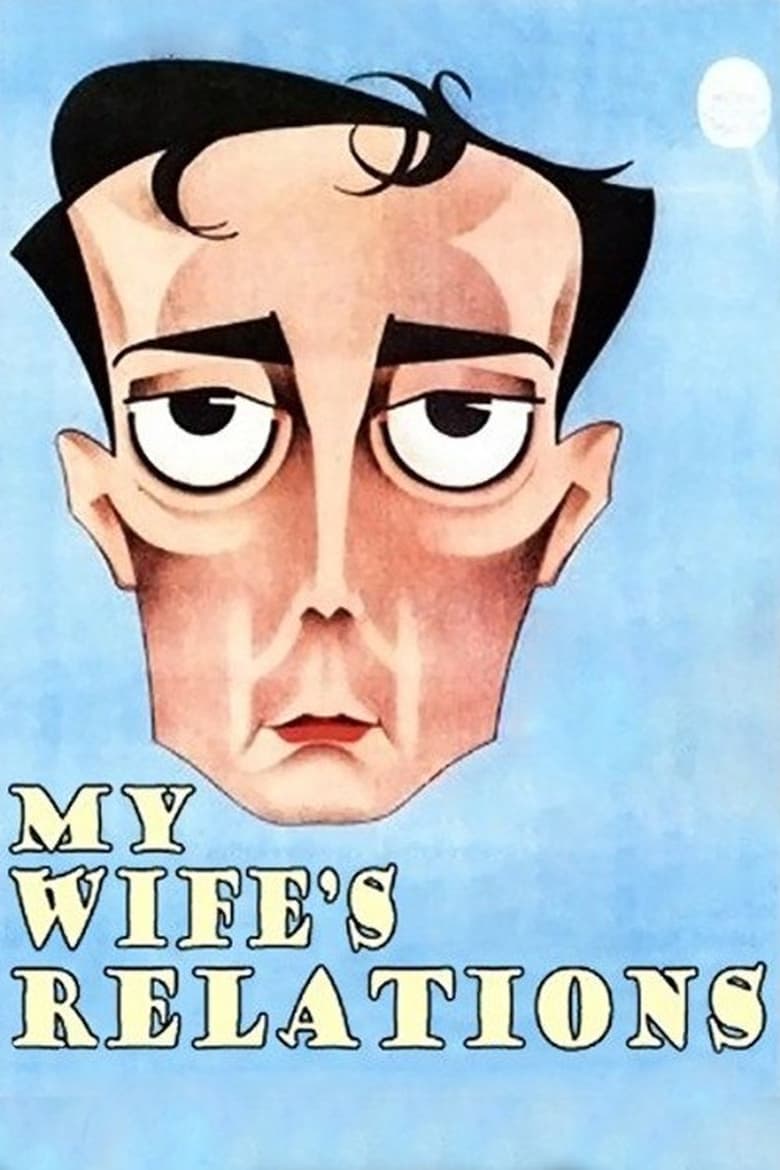
1922
NRDirector
Buster Keaton
Runtime
27 minutes
Average Rating
No ratings yetSynopsis
Buster and a woman are mistakenly married and her initially unfriendly family begins to treat him nicely when they come to believe he has a large inheritance awaiting him.
Overall Score
Minimal
Category Breakdown
LGBTQ+ Representation
The film contains no depictions of queer narratives or non-heteronormative identities. The plot centers on a mistaken marriage, adhering strictly to the heteronormative social standards of the 1920s.
Gender Representation
Gender roles follow traditional comedic tropes rather than subverting them. The female lead serves as a narrative catalyst, while the protagonist occupies a vulnerable 'everyman' role within the slapstick framework.
Racial & Ethnic Diversity
The cast is a homogeneous group reflecting the demographic constraints of early silent cinema. There is no evidence of racial blending or the inclusion of non-Anglo-Saxon characters.
Religious & Cultural Diversity
The story critiques human greed through a family's reaction to perceived wealth. However, it lacks any engagement with secularism or the deconstruction of traditional Western family values.
Disability Representation
No disabilities are portrayed with agency. While the film relies heavily on physical mishaps, these function as slapstick devices rather than meaningful representations of physical or neurodivergent impairments.
Strengths
Areas for Improvement
AI Analysis
My Wife's Relations is a period-specific artifact that prioritizes physical comedy over identity exploration. The narrative functions within the rigid social and demographic frameworks of the early 1920s, focusing on situational chaos rather than systemic power dynamics. The film lacks intentionality regarding the representation of marginalized groups. It reinforces the era's standard of depicting a singular, Western middle-class experience as the narrative norm, offering little in the way of intersectional or progressive storytelling. Ultimately, the work's value is found in its mastery of slapstick pacing and domestic friction. It does not attempt to subvert traditional hierarchies or provide representation for LGBTQ+, racial, or disabled communities.
1936
1929
1927
1940
1919
1924
1939
1942
1950
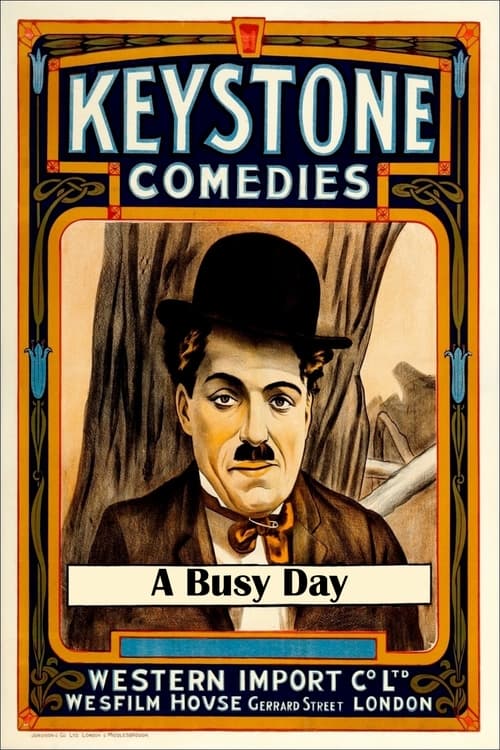
1914
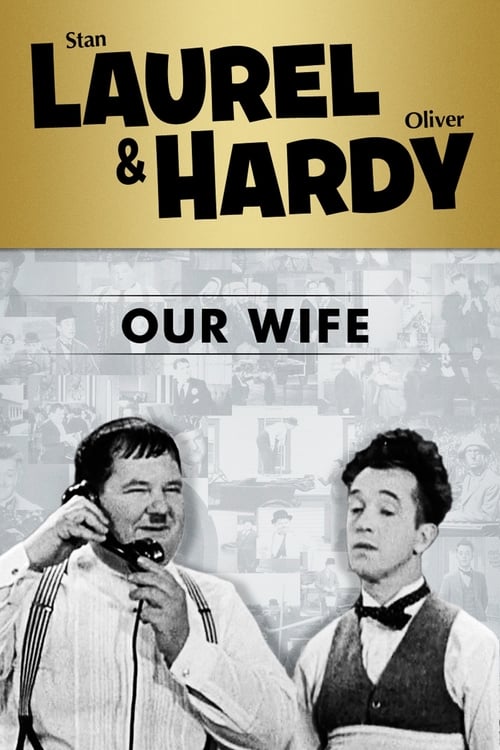
1931
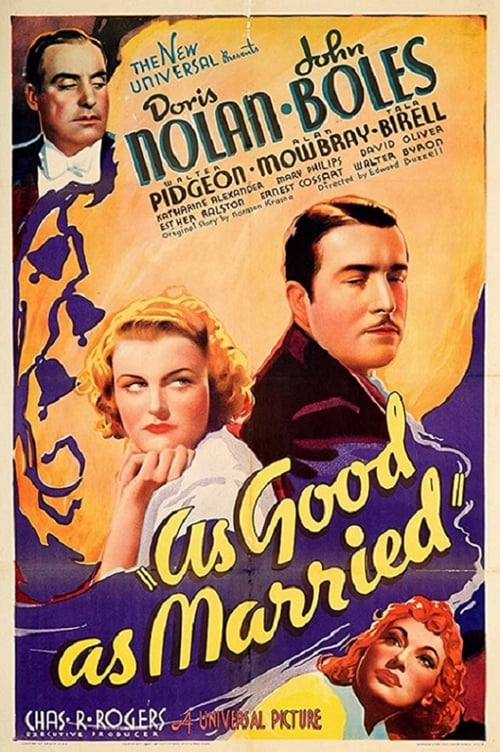
1937
No reviews yet. Be the first to share your thoughts on this movie!
Use the rating form above to leave a star rating and optional review.