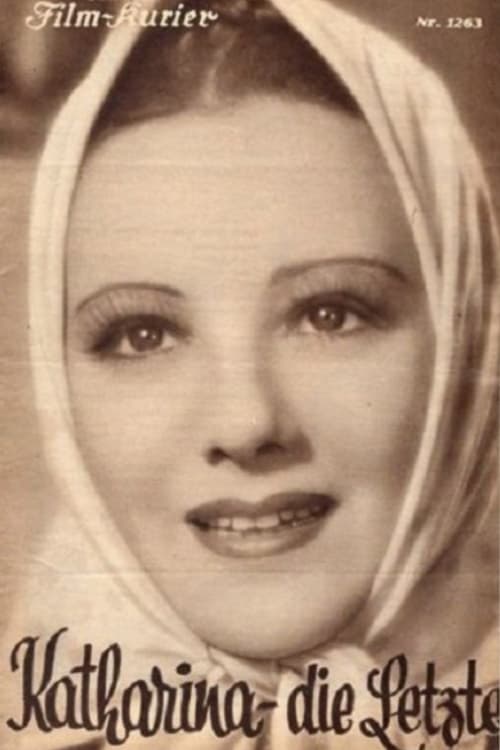
Catherine the Last
1936
No user ratings available yet
Representation score: 2.2 out of 10

Representation Score
Minimal
1937
ApprovedDirector
Irving Pichel
Average Rating
No ratings yetNew Showbiz Analysis
The film primarily serves as a star vehicle for Rudolph Valentino, emphasizing traditional studio archetypes over social complexity. Its narrative structure depends heavily on the exoticization of non-Western cultures to support a Western romantic adventure. Representation is constrained by the era's reliance on racial caricatures and traditional gender roles. Using non-ethnic actors to play Middle Eastern nobility reinforces colonial-era views rather than providing authentic cultural engagement. Overall, the film upholds existing social hierarchies. It lacks depth in addressing multiple aspects of identity and fails to challenge established social or cultural norms.
Category Breakdown
The film does not include any identifiable LGBTQ+ characters or storylines. The romantic storyline focuses solely on heterosexual relationships.
The movie adheres to traditional gender roles from the 1930s. The female lead plays a central role but her influence is largely shaped by her relationship with the male lead.
The film uses Orientalist stereotypes to represent Middle Eastern nobility. It employs heavy makeup and stylized costumes to create a caricatured version of ethnic identity.
The story is set within a traditional Western context. It uses the Sheik's wealth as a romantic plot device without delving into authentic cultural perspectives.
No visible or hidden disabilities are shown in the main cast or the overall narrative.
Present on Screen
Limited or Absent
Official Synopsis
In this comedy, a wealthy sheik kidnaps and falls for a snobby socialite.
1936

1938
1939

1926
1938
1934
1940
1934
No reviews yet. Be the first to share your thoughts on this movie!
Use the rating form above to leave a star rating and optional review.