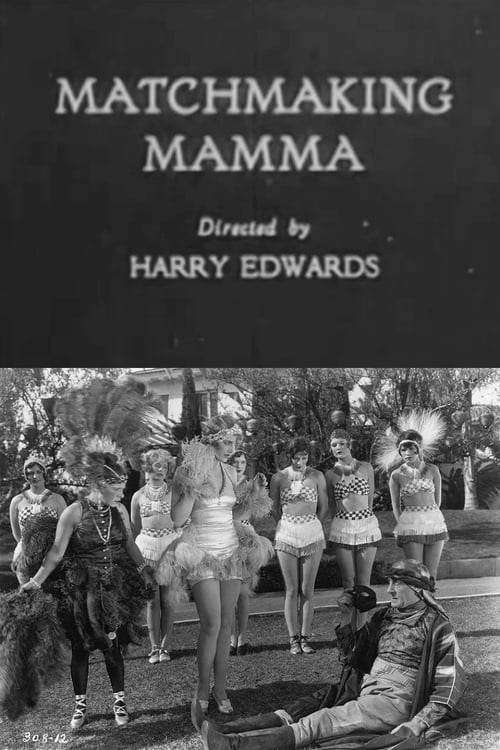
Matchmaking Mamma
1929
No user ratings available yet
Diversity score: 1.3 out of 10
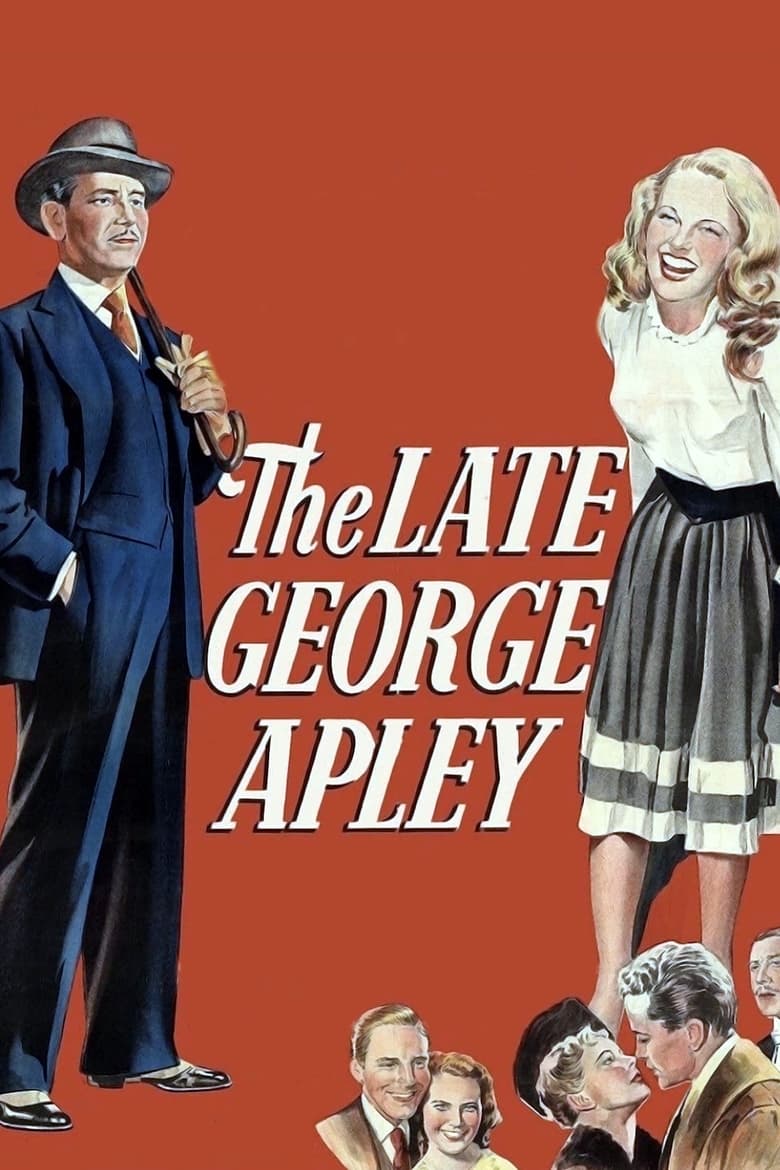
1947
NRDirector
Joseph L. Mankiewicz
Runtime
93 minutes
Average Rating
No ratings yetSynopsis
George and Catherine Apley of Boston lead a proper life in the proper social circle, as did the Apleys before them. When grown daughter Eleanor falls in love with Howard (from New York!), and son John with Myrtle (from Worcester!), the ordered life of the Apley home on Beacon Street is threatened, as is the hoped-for union of John and Apley-cousin Agnes.
Overall Score
Minimal
Category Breakdown
LGBTQ+ Representation
The film lacks LGBTQ+ characters or non-cisnormative identities. The social framework remains strictly heteronormative, focusing entirely on traditional marital unions and familial lineage.
Gender Representation
Women are depicted primarily through domestic and social roles within the Brahmin class. The narrative reinforces established hierarchies and lacks subversion of gendered authority.
Racial & Ethnic Diversity
The setting presents a highly homogenous social environment. It depicts an almost exclusively white, Anglo-Saxon enclave, lacking any racial intersectionality.
Religious & Cultural Diversity
The story serves as a character study of traditional Western upper-class institutions. It prioritizes social conformity and the preservation of established social codes.
Disability Representation
There is no discernible representation of physical, sensory, or neurodivergent disabilities within the primary cast or central character arcs.
Strengths
Areas for Improvement
AI Analysis
The film functions as a meticulous portrait of social rigidity within the Boston Brahmin elite. It focuses on the psychological cost of maintaining conformity within a highly structured, traditionalist environment. Through a contemporary lens, the narrative architecture reinforces traditional hierarchies of class, race, and gender. The story prioritizes the preservation of a specific, insulated socioeconomic identity rather than challenging systemic structures. Ultimately, the work provides a study of stability and tradition. It lacks the intentionality required to disrupt conventional social expectations, remaining firmly rooted in mid-century social norms.
1929
1942

1941
1947
1936
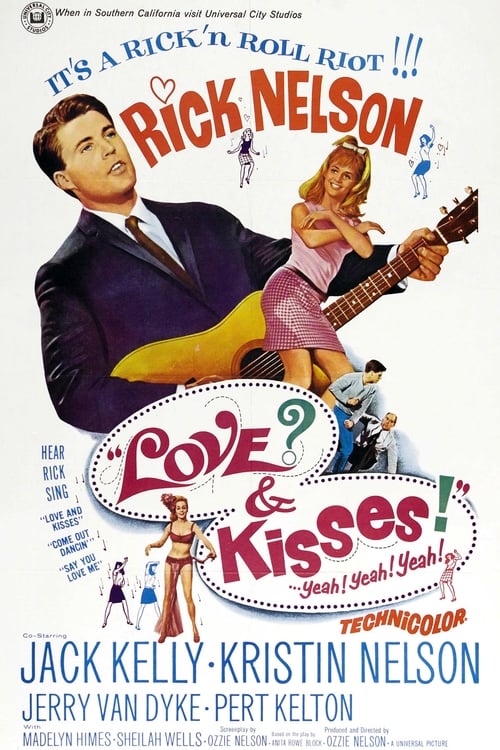
1965
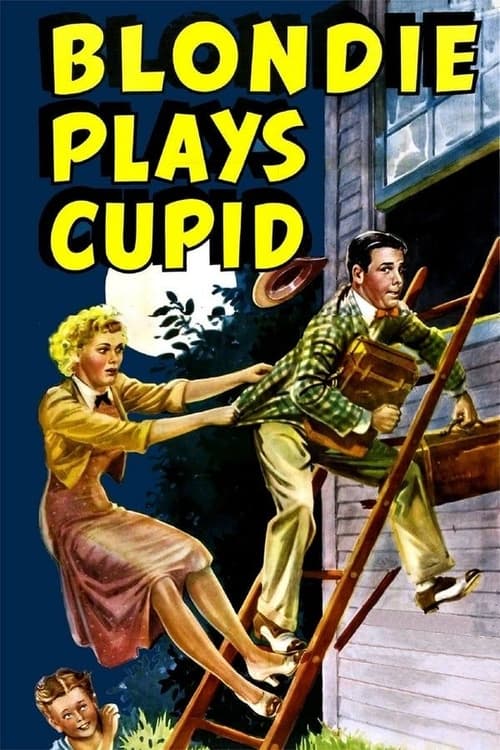
1940
1939
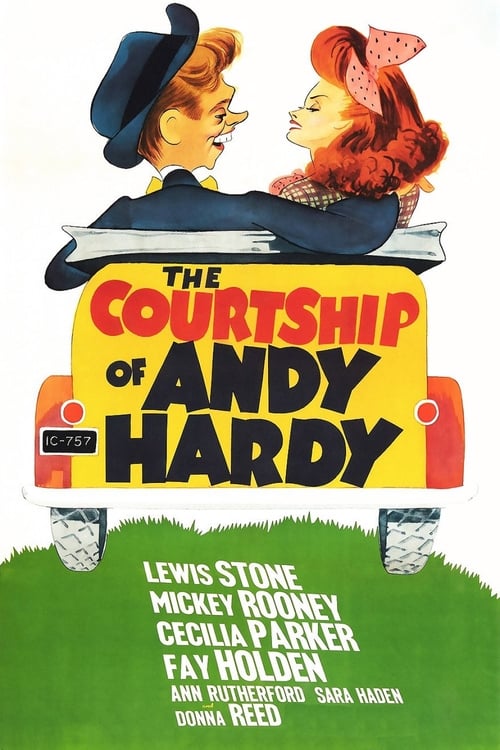
1942
1953
1937
1956
No reviews yet. Be the first to share your thoughts on this movie!
Use the rating form above to leave a star rating and optional review.