Max's Vacation
1914
No user ratings available yet
Diversity score: 2.0 out of 10
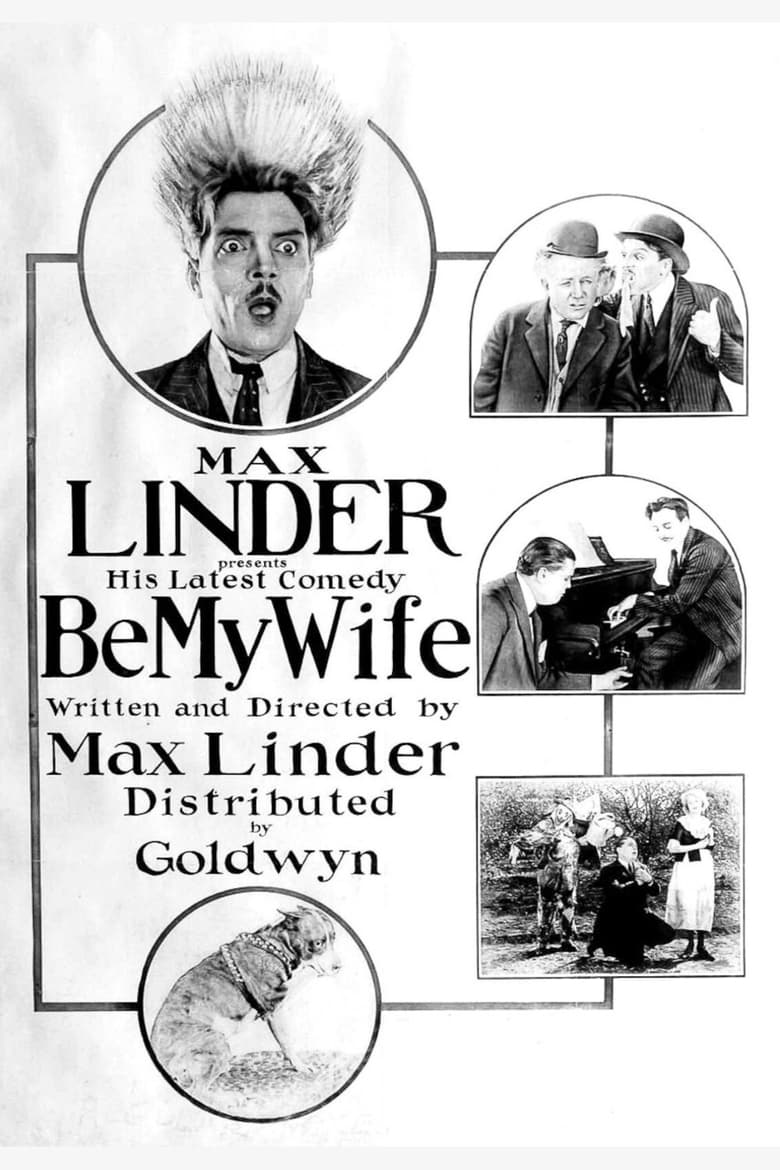
1921
Not RatedDirector
Max Linder
Runtime
57 minutes
Average Rating
No ratings yetSynopsis
Max is determined to woo Mary, despite her Aunt Agatha's disapproval. Then, Max and Mary become embroiled in the world of Madam Coralie, a prominent dressmaker-bootlegger.
Overall Score
Minimal
Category Breakdown
LGBTQ+ Representation
The film lacks any evidence of LGBTQ+ characters or non-heteronormative identities. The plot focuses entirely on a traditional romantic pursuit between Max and Mary.
Gender Representation
While Madam Coralie provides a female figure of economic influence, the narrative remains centered on a male protagonist's social navigation. Aunt Agatha serves as a traditional familial gatekeeper.
Racial & Ethnic Diversity
The film appears to reflect the homogeneous casting norms typical of early silent cinema. There is no indication of intersectional casting or the subversion of racial hierarchies.
Religious & Cultural Diversity
The story engages with 1920s social structures, including class standing and Prohibition-era tensions. These elements are framed through comedy rather than systemic critique.
Disability Representation
There is no documented evidence of characters with visible or invisible disabilities within the narrative framework.
Strengths
Areas for Improvement
AI Analysis
Be My Wife is a period-typical comedy that operates within the traditional social and cinematic hierarchies of the early 1920s. It focuses on situational farce and romantic pursuit rather than social critique. The film lacks intentionality regarding identity-based power dynamics. While it touches on class and the legal tensions of the Prohibition era, it does so through a comedic lens that maintains the status quo. Ultimately, the work reflects the homogeneous and conventional norms of its era, offering little in the way of diverse representation or systemic subversion.
1914
1922
1929
1924
1929
1929
1940
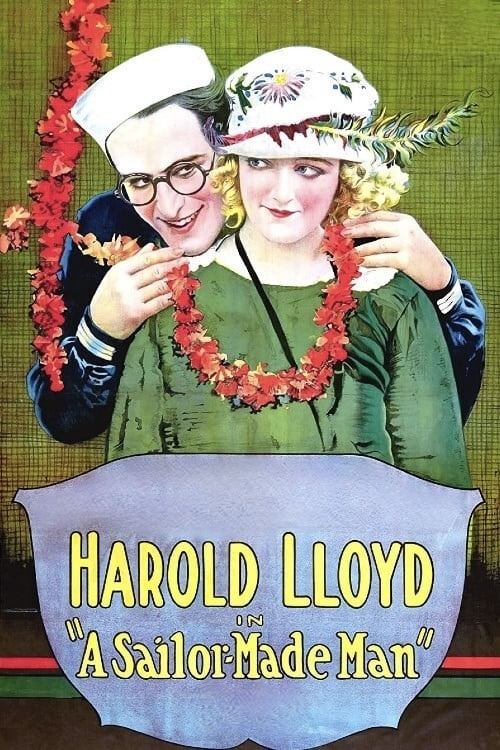
1921
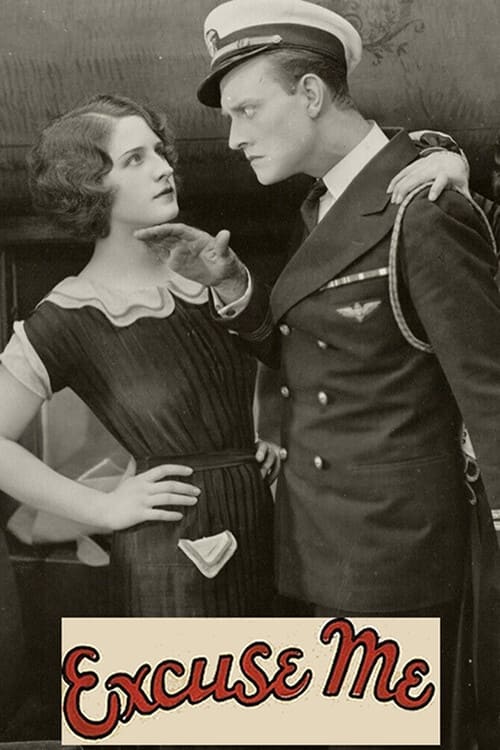
1925

1915
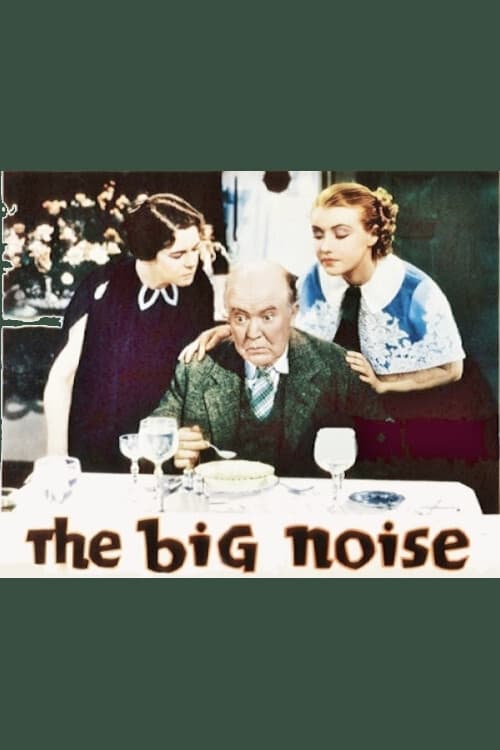
1936
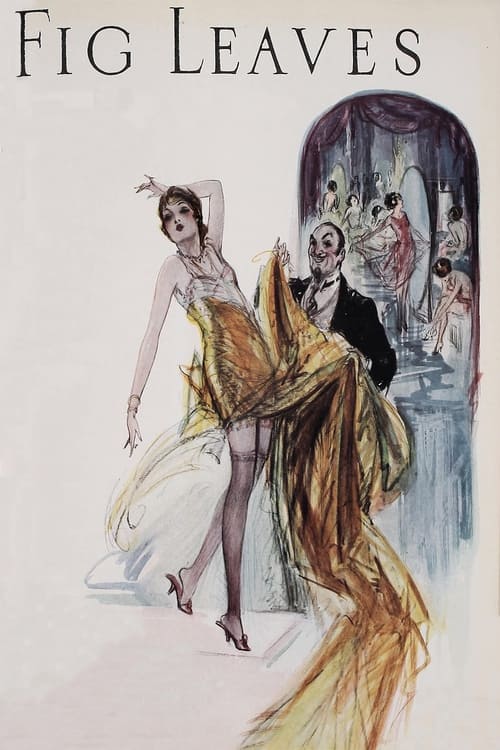
1926
No reviews yet. Be the first to share your thoughts on this movie!
Use the rating form above to leave a star rating and optional review.