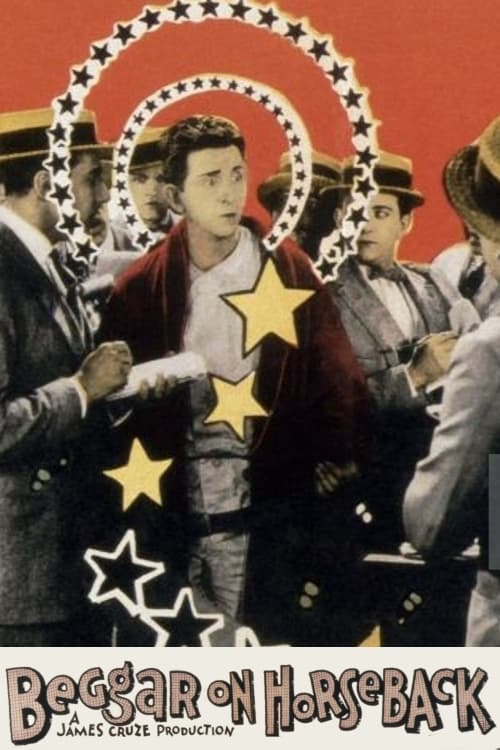
Beggar on Horseback
1925
No user ratings available yet
Representation score: 0.6 out of 10
Representation Score
Minimal
1933
Director
Charles Lamont
Runtime
10 minutes
Average Rating
No ratings yetNew Showbiz Analysis
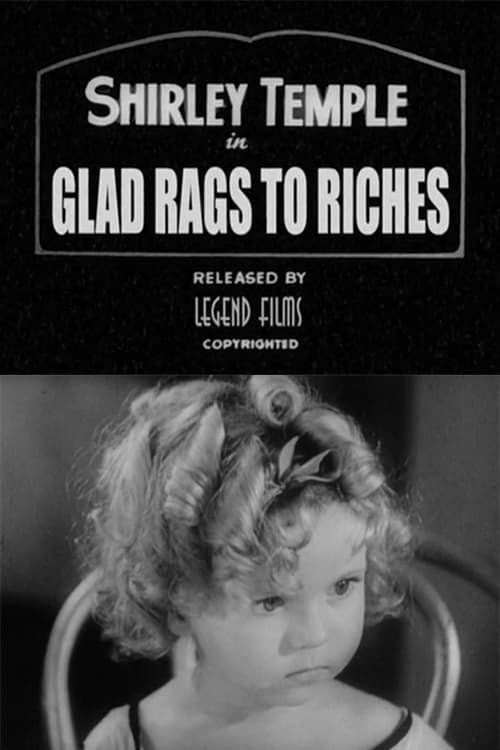
Glad Rags to Riches is a product of the early 1930s studio system, emphasizing established social hierarchies and traditional comedic elements. The plot revolves around a binary romantic choice, reinforcing standard gender and class dynamics rather than challenging them. The film adheres to the era's typical lack of diversity, focusing on a narrow, straight-centered worldview. While the female lead provides some ability to act, the narrative remains anchored in the socioeconomic status of her potential suitors. Ultimately, the work offers minimal disruption to the cultural or social frameworks of its time, functioning as a standard comedy of class and romance.
Category Breakdown
The film does not include any characters with non-binary or LGBTQ+ identities, nor does it show any same-sex relationships. The romantic storyline follows a traditional path between a man and a woman.
A female character leads the main conflict, playing a significant role in driving the story. However, her decisions are still influenced by conventional romantic ideas of the time.
The cast is predominantly white, reflecting the casting standards of the 1930s. There is no indication of significant non-white characters or diverse representation.
The story focuses on class mobility and social hierarchy, operating within conventional moral standards of the time. It does not offer a critique of Western institutions or capitalism.
The film does not feature any characters with physical or neurodivergent disabilities.
Present on Screen
Limited or Absent
Official Synopsis
A girl has to decide who to marry: a poor country boy or a rich nightclub owner.
1925
1933
1936
1936
1938
1941
1936
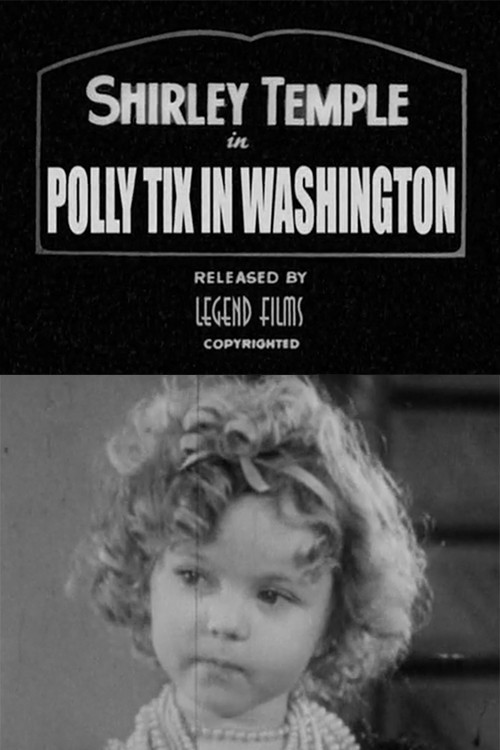
1933
No reviews yet. Be the first to share your thoughts on this movie!
Use the rating form above to leave a star rating and optional review.