23-F: la película
2011
No user ratings available yet
Representation score: 3.2 out of 10
Representation Score
Fair
2013
Director
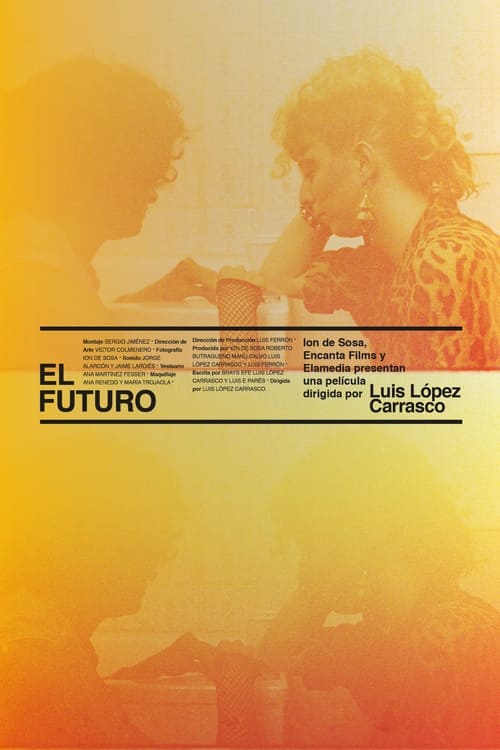
Luis López Carrasco
Runtime
68 minutes
Average Rating
No ratings yetNew Showbiz Analysis
The film serves as a study of Spanish sociopolitical changes rather than a showcase of diverse characters. It emphasizes systemic critique over individual representation, using the 1982 Socialist Party victory to connect past idealism with current realities. Its main strength lies in its cultural and systemic analysis. By presenting the past as a contrast to modern disillusionment, the film questions conventional historical nostalgia and the stability of political progress. However, the film is limited by its narrow historical and demographic focus, resulting in low representation of LGBTQ+ and racial diversity.
Category Breakdown
The film centers on a collective political event during a specific historical period. There is no clear depiction of queer relationships or non-straight character development.
The story unfolds in a community of young people during Spain's transition to democracy. While it might hint at changes in women's roles, there is no clear challenge to traditional gender hierarchies.
Set during a specific moment in Spanish history, the film likely mirrors the demographic uniformity of 1982. There is no notable diversity among the characters.
The film effectively dismantles traditional institutions and political systems. It uses historical settings to critique the long-term impact of political promises and institutional change.
There is no information about the portrayal of characters with physical or cognitive differences in this film.
Present on Screen
Limited or Absent
Official Synopsis
Back to the Future, Spain 1982: at a euphoric party, young people celebrate the election victory of the Socialist Party. López Carrasco stages the past with stunning precision and shows the future as a surprising result: well, the present.
2011

2020
2006

1985

2017

2014

1976
1981
No reviews yet. Be the first to share your thoughts on this movie!
Use the rating form above to leave a star rating and optional review.