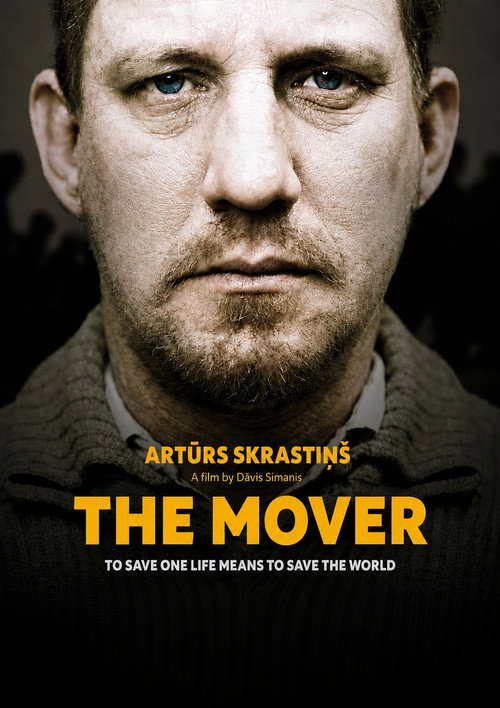
The Mover
2018
No user ratings available yet
Diversity score: 7.0 out of 10

2017
Director
Luis Oliveros
Runtime
98 minutes
Average Rating
No ratings yetSynopsis
In 1934 Diego Padilla wins the Spanish Championship of Chess and meets a French journalist, Marianne Latour, and they fall in love. At the end of the Civil War, Marianne convinces Diego to live in France with their daughter, where shortly afterwards Diego will be accused of spying by the Nazis and imprisoned in an SS prison. In prison, Diego will try to survive in a hostile environment thanks to Colonel Maier's passion for chess.
Overall Score
Fair
Category Breakdown
LGBTQ+ Representation
The film lacks explicit LGBTQ+ characters or non-heteronormative identities. The central romance between Diego and Marianne follows a traditional heterosexual structure.
Gender Representation
Marianne Latour avoids the trope of a passive romantic interest. She acts as a decisive catalyst, using her agency to influence Diego's relocation and survival.
Racial & Ethnic Diversity
The story moves through Spanish, French, and German landscapes. While centered on a European context, it examines the collision of different national identities.
Religious & Cultural Diversity
The narrative critiques nationalist institutions and state oppression. It prioritizes human connection and intellectualism over the rigid, violent ideologies of the SS.
Disability Representation
There is no visible or mentioned representation of physical or neurodivergent disabilities within the narrative.
Strengths
Areas for Improvement
AI Analysis
The film functions as a historical drama that uses a personal story to critique mid-20th-century totalitarianism. It finds progressive value by deconstructing state authority and prioritizing individual agency over institutional order. While the film does not utilize modern identity-driven casting, it succeeds in portraying characters who subvert rigid hierarchies through intellectual passion. The narrative focuses on resilience against systemic violence rather than broad demographic representation.
2018
2016

2023

2022

2014

2017

1974

2015

2021

2020

1950

2017
No reviews yet. Be the first to share your thoughts on this movie!
Use the rating form above to leave a star rating and optional review.