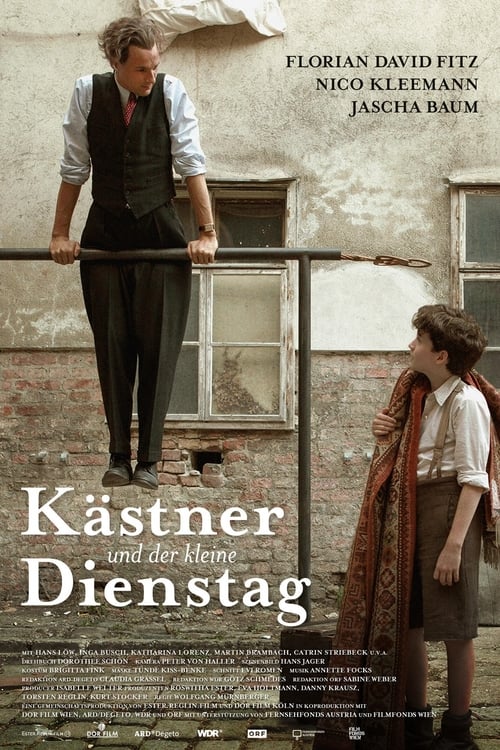
Kästner and Little Tuesday
2016
No user ratings available yet
Diversity score: 4.9 out of 10
2021
Director
Gianluca Jodice
Runtime
106 minutes
Average Rating
No ratings yetSynopsis
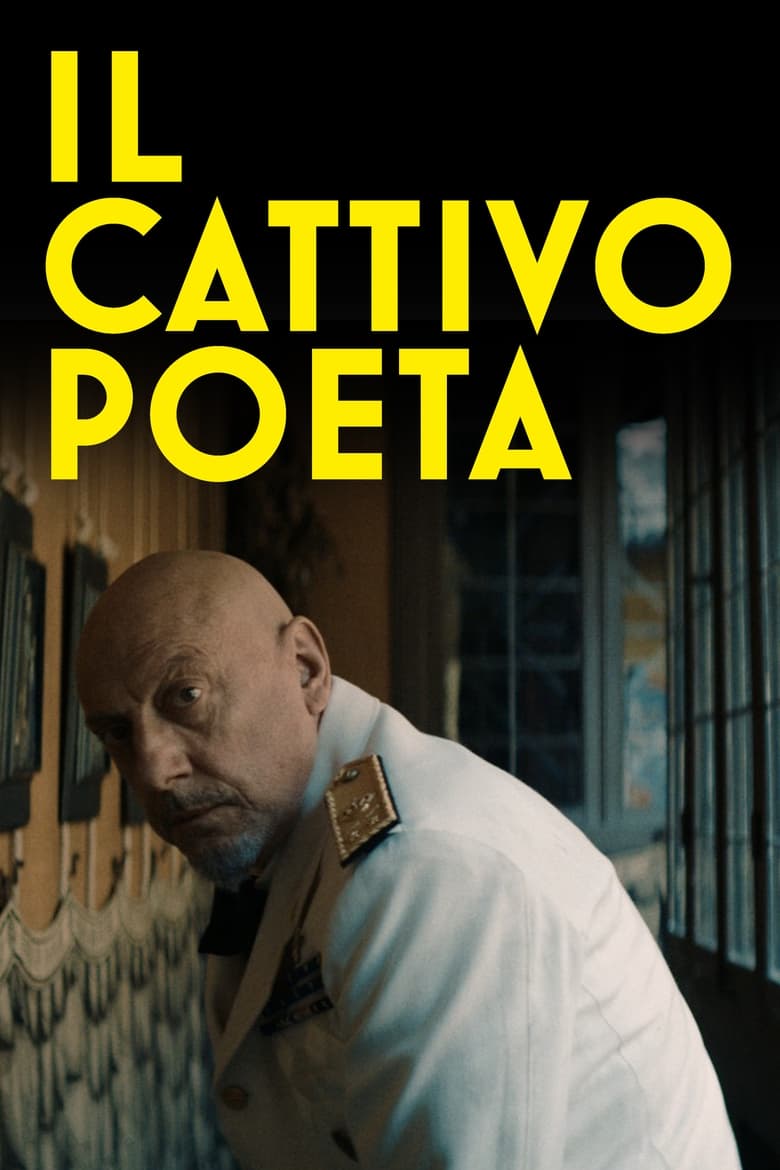
1936. Giovanni Comini, the youngest Federal in Fascist Italy, is summoned to Rome for a delicate mission: to surveil aging national poet Gabriele D'Annunzio, whose increasingly restless behavior Mussolini fears could damage his alliance with Nazi Germany. However, after spending time with D'Annunzio, Comini finds himself torn between loyalty to the Party and his fascination with the poet, who will put his burgeoning career at risk.
Overall Score
Fair
Category Breakdown
LGBTQ+ Representation
The film explores intense, potentially homoerotic subtext through the power dynamics between Comini and D'Annunzio. This intimacy is depicted through the lens of historical repression rather than overt celebration.
Gender Representation
The story focuses on male-dominated political and intellectual spheres. It subverts masculine hierarchies by portraying the Fascist state as a source of instability while centering the intellectual's moral complexity.
Racial & Ethnic Diversity
The cast is largely homogeneous due to the 1930s Italian setting. The narrative does not prioritize racial intersectionality, remaining embedded in the specific socio-political landscape of the era.
Religious & Cultural Diversity
The film critiques traditional Western institutions by framing the Fascist state as a corrupting force. It prioritizes personal fascination and intellectual truth over state-mandated morality and nationalistic duty.
Disability Representation
There are no prominent depictions of visible or invisible disabilities that serve as central narrative drivers in this historical context.
Strengths
Areas for Improvement
AI Analysis
The Bad Poet is a psychological character study that uses the tension of 1936 Fascist Italy to explore the friction between individual autonomy and state orthodoxy. It avoids the typical tropes of historical dramas that validate state triumphs, instead focusing on the fragility of institutional loyalty. The film's strength lies in its subversion of archetypes, positioning the iconoclastic poet as a figure of agency against a monolithic system. However, the narrative is limited by its homogeneous cast and its focus on male-dominated intellectual spheres. Ultimately, the film succeeds as a critique of centralized authority, using the internal conflict of its protagonist to challenge the perceived order of the era.
2016

1974
2023
2015
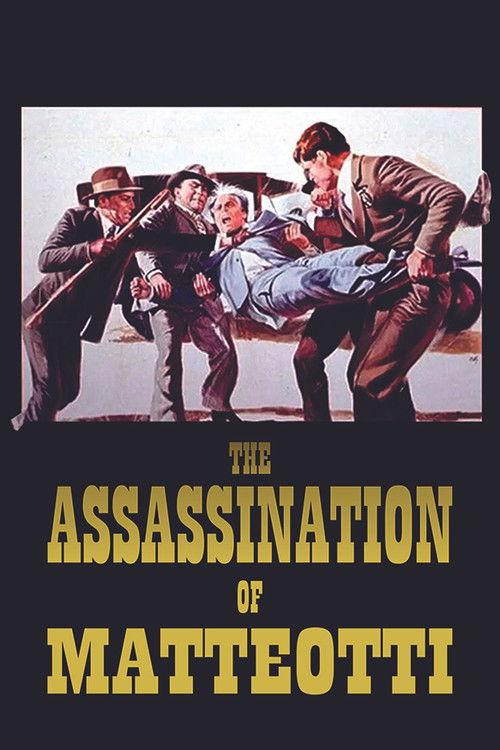
1973
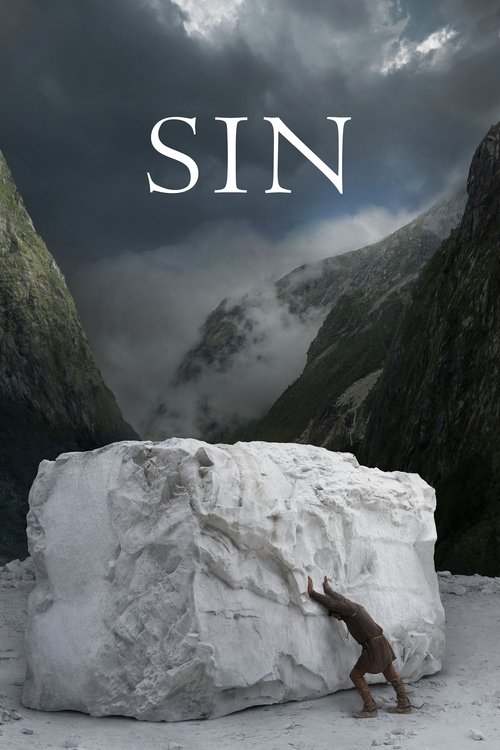
2019
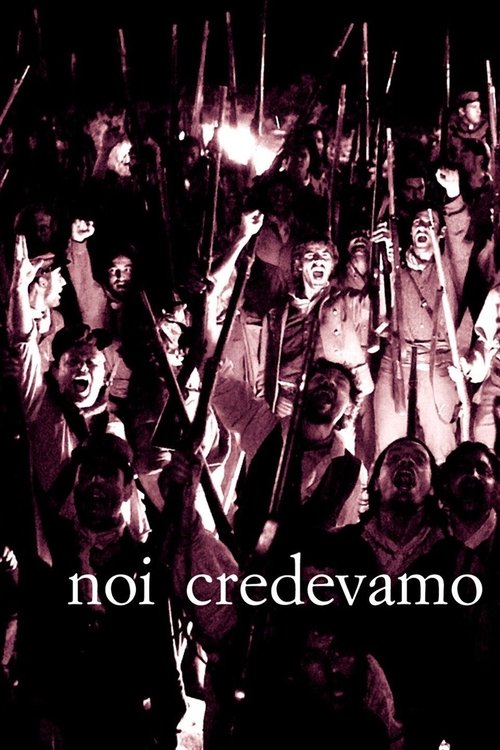
2010
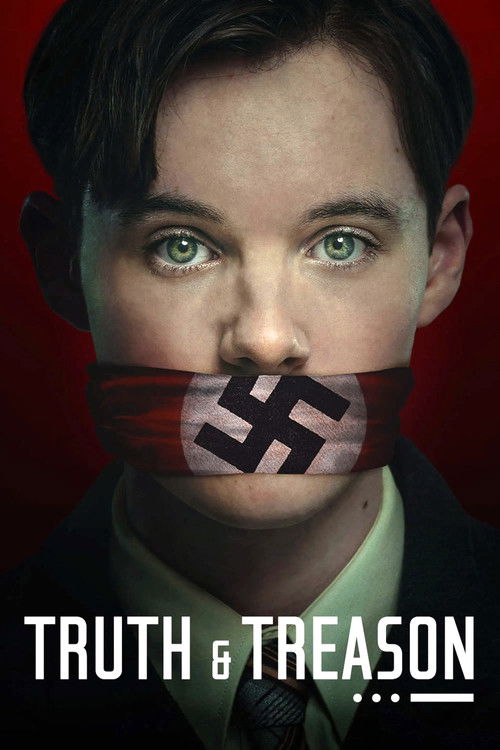
2025
2021

2010
2009
2015
No reviews yet. Be the first to share your thoughts on this movie!
Use the rating form above to leave a star rating and optional review.