
Fort Apache Napoli
2009
No user ratings available yet
Representation score: 5.7 out of 10
Representation Score
Fair
2017
Director
Francesco Miccichè
Runtime
96 minutes
Average Rating
No ratings yetNew Showbiz Analysis
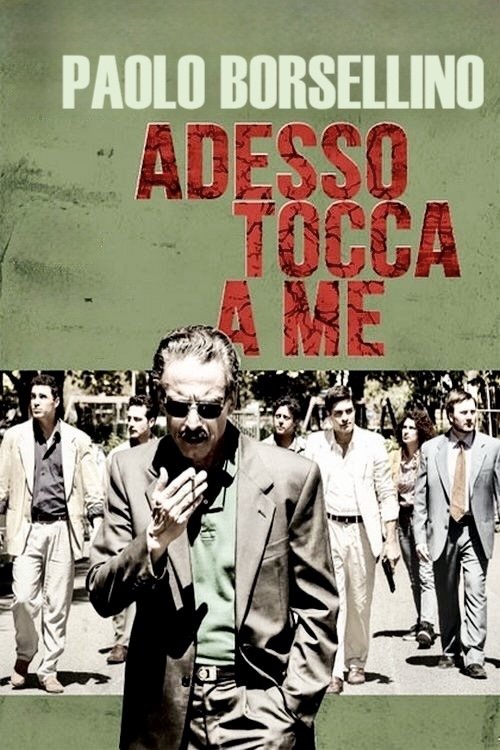
It’s My Turn (2017) is a historical documentary-drama that prioritizes systemic critique over broad demographic diversity. Its primary impact comes from deconstructing traditional authority and the corrupt structures of the state and organized crime. While the film lacks LGBTQ+ or significant racial diversity due to its specific Sicilian historical setting, it succeeds in presenting a progressive cultural framework. It replaces traditionalist dogma with a focus on civic morality and individual resistance. Ultimately, the film functions as a study of institutional corruption, using the life of Paolo Borsellino to challenge established hierarchies and the 'strongman' archetype.
Category Breakdown
The film does not include explicit LGBTQ+ character arcs or non-cisgender identities. It focuses on the heterosexual and cisgender social structures of 1990s Italy and the political struggles of the judiciary.
The narrative challenges hyper-masculine archetypes by centering a protagonist whose power comes from law and ethics. It counters violent criminal hierarchies through the intellectual authority of a judicial figure.
The cast and setting reflect the Mediterranean population of Sicily during the period. The story emphasizes regional identity and the solidarity of the Sicilian people against criminal influences.
The film offers a progressive critique of institutional power and corruption. It prioritizes secular, civic morality over religious dogma, framing the struggle as a fight for systemic justice.
There is no evidence regarding the portrayal of physical or neurodivergent disabilities within the film's context.
Present on Screen
Limited or Absent
Official Synopsis
The true story of the 1992 car-bombing murder of Paolo Borsellino, an anti-Mafia crusader and Palermo judge, is recounted in this documentary drama.
2009

2012
2012
1962
2020

2022

2018
1997
No reviews yet. Be the first to share your thoughts on this movie!
Use the rating form above to leave a star rating and optional review.