The Chessplayer
2017
No user ratings available yet
Diversity score: 5.6 out of 10
2019
Director
Andrey Smirnov
Runtime
128 minutes
Average Rating
No ratings yetSynopsis
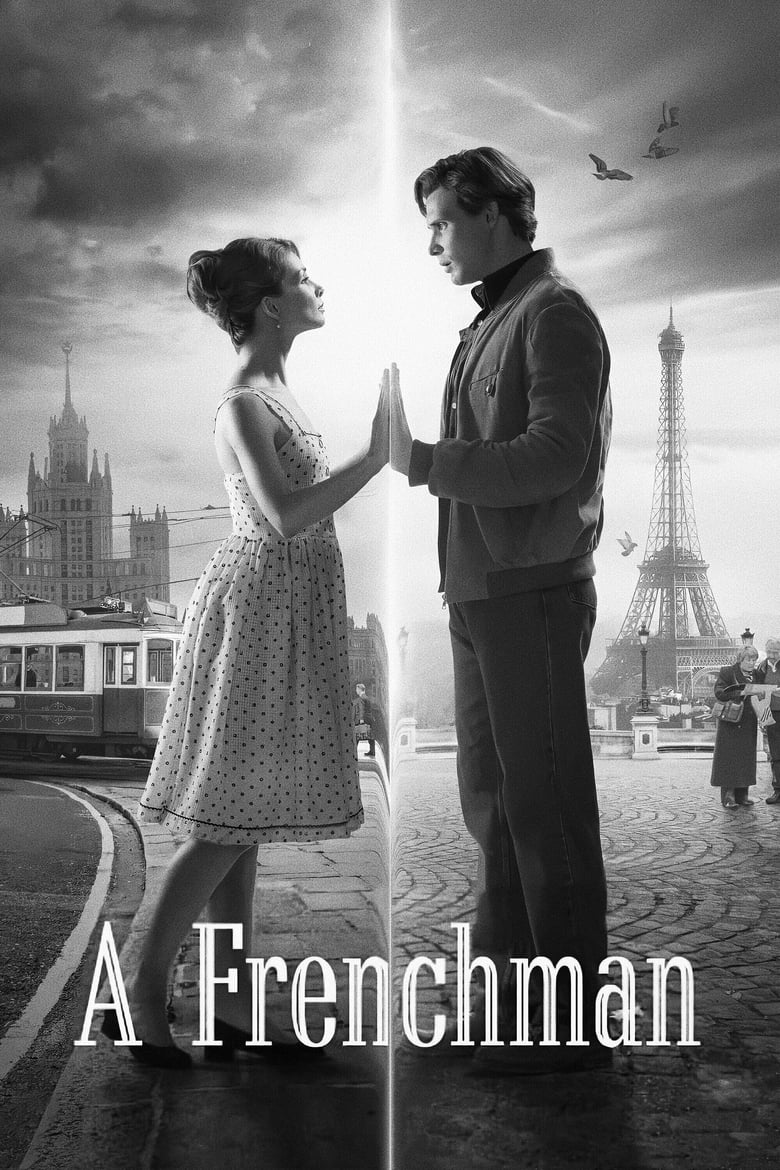
In 1957 French student Pierre Durand comes to Moscow to do an internship at Moscow State University. Here he meets ballerina Kira Galkina and photographer Valera Uspenskiy. With them he discovers the cultural side of Moscow — not just the traditional one, but the underground one as well. During his year in Russia’s capital Pierre lives an entirely different life than what he’s used to. But the internship and the experience of the Soviet people’s way of life are not the only things Pierre is after. He’s searching for his father, White officer Tatishchev, who was arrested in the 1930s.
Overall Score
Fair
Category Breakdown
LGBTQ+ Representation
The film centers on traditional romantic and platonic connections. While it touches on Moscow's underground cultural scene, there are no explicit LGBTQ+ characters driving the plot.
Gender Representation
Kira Galkina provides a meaningful female presence through her professional agency as a ballerina. However, the story remains anchored in a male-driven search for paternal lineage.
Racial & Ethnic Diversity
The narrative uses a cross-cultural framework by intersecting French and Soviet identities. This disrupts Western-centric perspectives through the lens of a foreigner in the USSR.
Religious & Cultural Diversity
The film deconstructs monolithic Soviet narratives by contrasting official state culture with an underground scene. It critiques systemic power through the protagonist's personal history.
Disability Representation
There is no discernible evidence regarding the portrayal of physical or neurodivergent disabilities within the film.
Strengths
Areas for Improvement
AI Analysis
The Frenchman is a sophisticated historical drama that prioritizes atmospheric depth and psychological complexity. It succeeds by presenting the Soviet Union as a fractured landscape of competing truths rather than a political monolith. The film's strength lies in its interrogation of institutional power and the friction between individual agency and state structures. It uses the protagonist's search for his father to explore the human cost of political machinery. However, the film lacks engagement with contemporary identity politics. It remains largely within traditional romantic frameworks and focuses heavily on patriarchal legacies and male-driven historical inquiry.
2017

2024
2023
1939
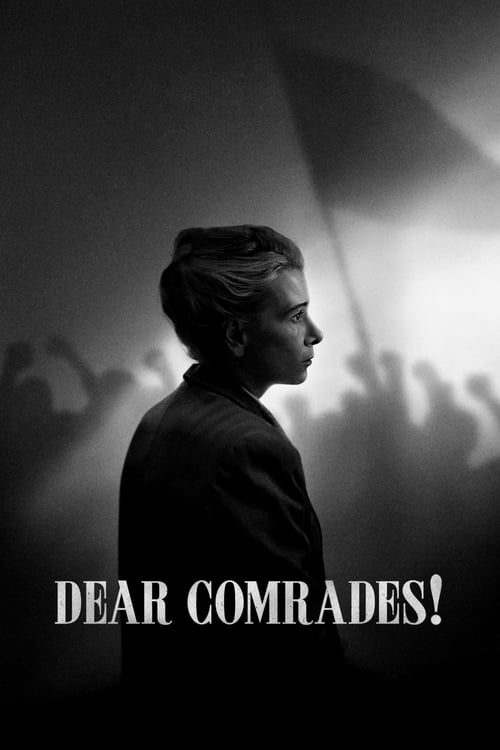
2020
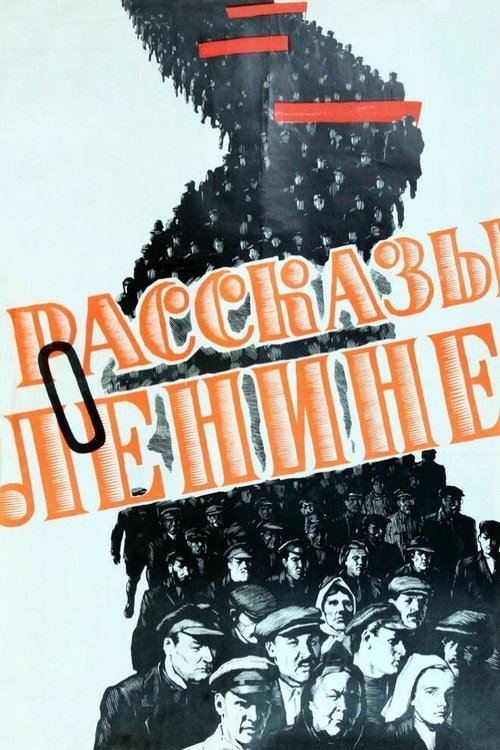
1957
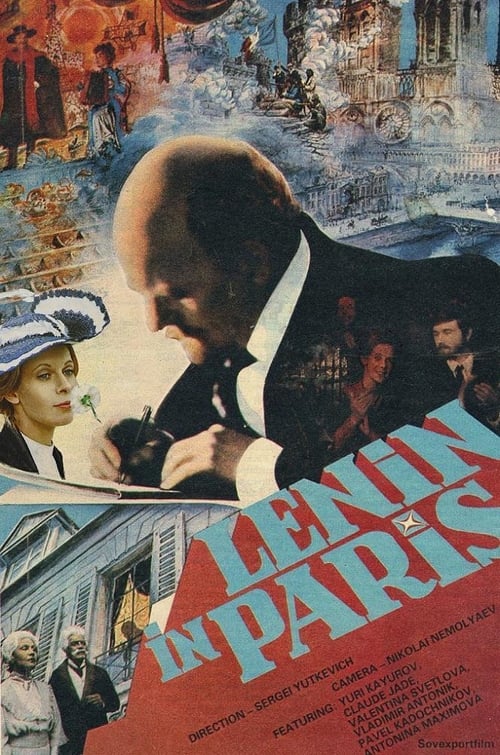
1981
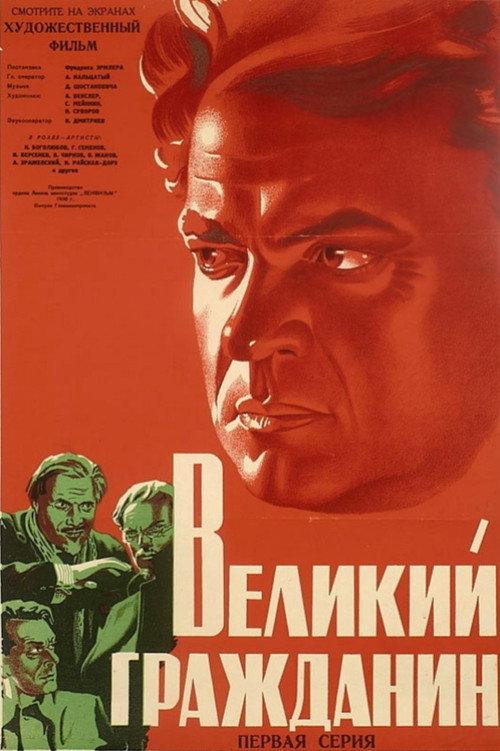
1938
2017

2017

2010

1937
No reviews yet. Be the first to share your thoughts on this movie!
Use the rating form above to leave a star rating and optional review.