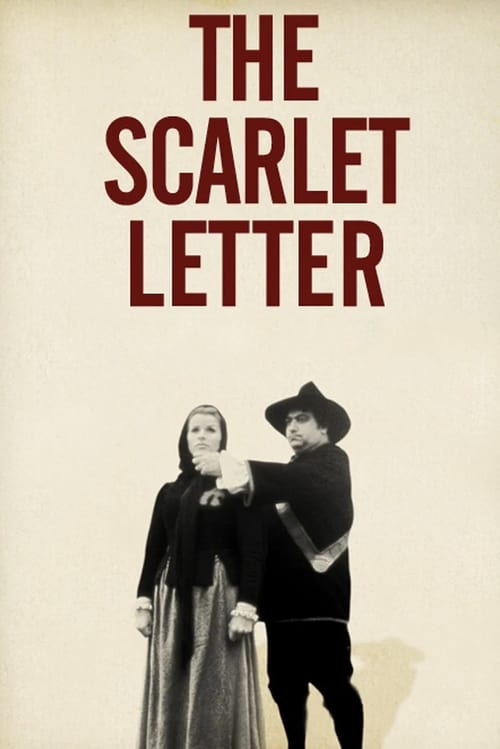
The Scarlet Letter
1973
No user ratings available yet
Diversity score: 5.2 out of 10

1980
Director
Pieter Verhoeff
Runtime
98 minutes
Average Rating
No ratings yetSynopsis
In 1928 in the northern part of the Netherlands, a man has an affair with the wife of one of his friends (who is in jail at the time). Because she abandons her children to move in with him, the police are sent to arrest her. This leads to a dramatic confrontation.
Overall Score
Fair
Category Breakdown
LGBTQ+ Representation
The film explores deviations from traditional domestic structures through an extramarital affair. While it lacks explicit queer identities, it prioritizes individual impulse over conventional social mores.
Gender Representation
A central female character exercises significant agency by abandoning her maternal role. Her refusal to adhere to 1928's submissive archetypes drives the plot's upheaval.
Racial & Ethnic Diversity
Set in 1928 northern Netherlands, the film appears to focus on a homogeneous population. There is no evidence of racial blending or non-Anglo-Saxon casts.
Religious & Cultural Diversity
The narrative critiques the sanctity of the nuclear family and 1920s social morality. It frames institutional authority as an antagonist to personal autonomy.
Disability Representation
The narrative contains no mention of characters with visible or invisible disabilities.
Strengths
Areas for Improvement
AI Analysis
The film serves as a study of social transgression, focusing on the disruption of early 20th-century hierarchies. It finds its strength in dismantling the idealized family trope by centering on characters who operate outside communal expectations. However, the work lacks intersectional breadth. The historical setting and specific geographical focus result in a lack of racial and LGBTQ+ visibility, reflecting the demographic constraints of the era. Ultimately, the film is a character-driven drama that challenges social stability through individual desire, even if it remains limited in its demographic scope.
1973

2018

2016
2019

1959
No reviews yet. Be the first to share your thoughts on this movie!
Use the rating form above to leave a star rating and optional review.